Tutorial: How to Draw a Realistic Easter Bunny
09 de novembro de 2026
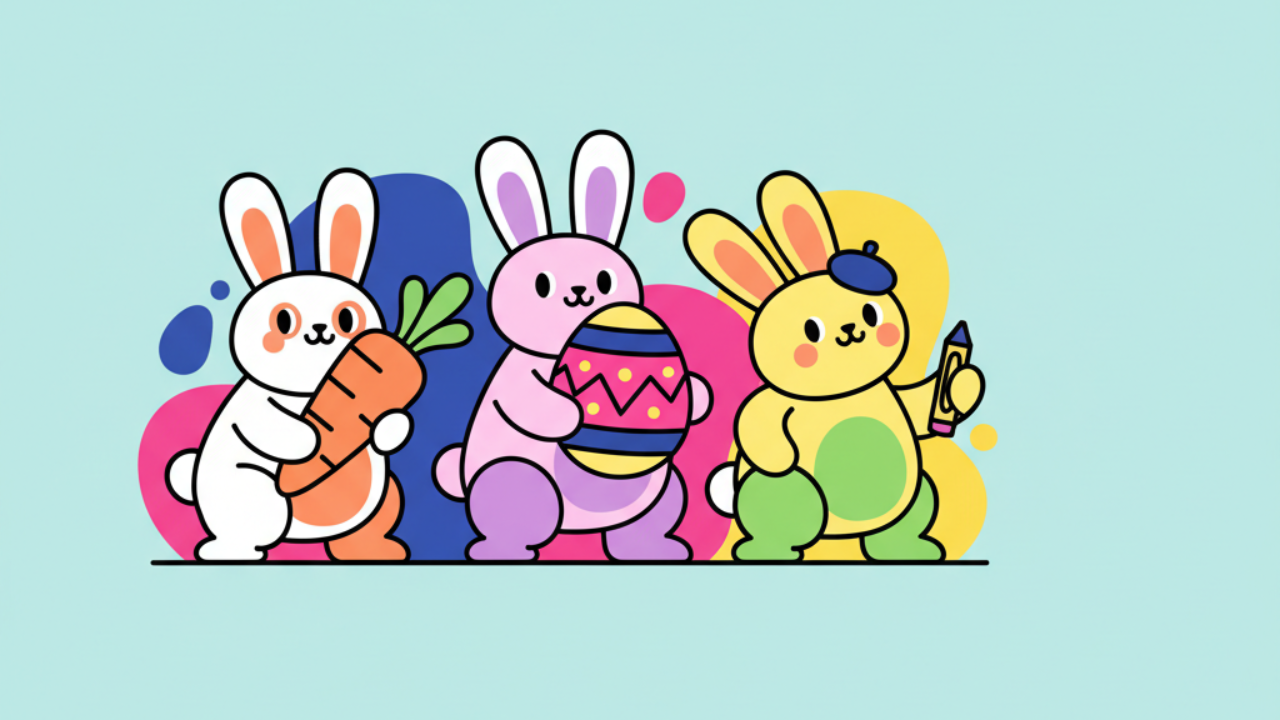
Learn how to create realistic Easter Bunny coloring pages with this step-by-step guide. Turn your paper into art and have a blast coloring it in! 🐰✨
Animal Drawing Fundamentals: Rabbit Anatomy and Proportion
To create free printable coloring pages that truly capture the essence of a realistic Easter bunny, the first step is understanding basic anatomy. Unlike cartoon styles, the realistic approach requires attention to the geometric shapes that make up the animal's body.
Start by sketching three main circles: a small one for the head, a medium one for the chest, and a larger one for the hindquarters. Rabbits have very powerful and muscular back legs, which define that classic curved silhouette we see in professional coloring sheets.
The connection between these circles should be smooth. Use curved lines to join the neck to the back. Remember that nature-themed art is a great way to develop students' visual perception, making these techniques perfect for classroom activities and creative development.
Sketching the Ears and Facial Expression
The ears are the trademark of any rabbit line art for kids. For a realistic look, avoid making them perfectly straight. Draw them with slight curves, showing the thickness of the cartilage and the inner ear where the skin is thinner.
On the face, eyes should be positioned on the sides of the head rather than the front like humans. This gives the animal that alert "prey animal" look. The nose has a very subtle inverted "Y" shape, surrounded by whisker pads where the long whiskers sprout from.
Pro Tip: When making the initial sketch, use an H or 2H pencil with very light strokes. This makes it much easier to clean up the drawing before turning your art into final coloring activities.
The Secret to Paws and Tails
The front paws are short and delicate, often tucked under the chest fur. The back legs are long and stay folded close to the body when the rabbit is sitting. The tail, while it looks like a cotton ball, is actually a small appendage covered in dense fur.
Texturing Techniques for a Realistic Fur Effect
What sets a high-quality digital coloring book apart from a basic drawing is texture. To simulate fur, you shouldn't draw every single hair on the whole body, but rather suggest the texture in shadowed areas and along the edges of the silhouette.
Use short, quick strokes, always following the direction the fur grows (from nose toward the tail). In areas like the cheeks and belly, the fur is usually longer and softer. On the ears, the coat is so short it feels like velvet.
- Use fine hatching to create depth in shadowed areas.
- Keep the center of highlighted areas clean to emphasize the fur's natural sheen.
- Vary your pencil pressure to create different gray tones before finalizing the art.
Integrating Easter Elements into Realistic Compositions
Even with a realistic drawing, we can include themed elements to make it a favorite among cute drawings to print. Adding a wicker basket with detailed weaving or eggs decorated with geometric patterns elevates the activity level.
When drawing the basket, focus on the overlapping fibers. This creates an interesting contrast with the softness of the rabbit's fur. If you choose to place the bunny in a garden, add detailed flowers and grass to compose a complete coloring scene for kids and adults.
Finalization: Turning Your Drawing into Printable Line Art
After finishing the sketch and details, it's time for the final ink. Use a fineliner or a black felt-tip marker. The goal is to create clean lines that allow others to use your creation as educational coloring pages.
Erase all the pencil construction lines. Make sure there are no gaps in the main lines, as this makes it easier if someone decides to use online coloring tools on Desenhando e Colorindo. Line clarity is key for a great painting experience.
Recommended Materials for Drawing and Coloring
- 180g cardstock (ideal for printing coloring art).
- Graded pencils (HB, 2B, 4B) for different shading levels.
- Kneaded eraser to avoid damaging the paper fibers.
- Fine-tip pens for the final outline.
The Use of AI in Drawing Assistance
Nowadays, AI-generated drawings serve as great references for understanding light and shadow. You can generate rabbit images from different angles to study how anatomy behaves in motion, then apply that knowledge to your manual drawing.
At Desenhando e Colorindo, we value both traditional art and new technologies that help parents and teachers find high-quality materials. The important thing is to keep creativity flowing, whether drawing from scratch or coloring ready-made templates.
How to Prepare Your File for the Blog
If you want to share your creations, scan the drawing in high resolution (at least 300 DPI). Adjust the contrast so the background is perfectly white and the lines are crisp black. This ensures that when users download free drawings from our site, they get the best print quality possible.
PDF or JPG formats are the most common and easy to handle. Remember to leave a safety margin around the edges so no details get cut off during A4 printing.
Printing Tip: Always select the "Fit to page" option in your printer settings to ensure the drawing fills the available space.
Frequently Asked Questions
How do I make the rabbit's fur look soft?
To create the illusion of softness, use a blending technique in the shadows and make small, quick strokes at the edges of the drawing to simulate fur sticking out from the main contour.
What colors should I use for a realistic rabbit?
While you have total freedom in coloring pages, realistic rabbits usually have tones of brown, gray, beige, and white. Layer your colored pencils to create smooth transitions between these colors.
Is it hard to draw rabbit eyes?
Not at all! The secret is the highlight. Leave a tiny white dot unpainted in the center of the dark pupil. This will give life and depth to your Easter bunny drawing's gaze.
Can I print these drawings for school use?
Yes! All our printable coloring pages are free and specifically designed to help teachers with pedagogical activities and parents with educational entertainment at home.
Conclusion
Learning to draw and color realistic animals is a rewarding process that blends technique and fun. We hope this guide helps you create beautiful works of art. Don't forget to browse our categories and enjoy all the free printable coloring pages that Desenhando e Colorindo offers. Grab your pencils, prep your printer, and start your artistic journey today!
Escrito e revisado por Armando Amaro
Fundador do Desenhando e Colorindo. Todo artigo passa por curadoria e revisão humana antes de ser publicado.