Mastering Line Art Textures: Advanced Coloring Techniques
13 de outubro de 2026
Discover advanced line art texturing techniques to take your coloring pages to the next level. Level up your art skills at Desenhando e Colorindo! 🎨✨
Mastering the art of applying textures in line art is the game-changer that separates a simple sketch from a visually rich, professional-looking piece. When we download free coloring pages for kids and adults, we often find clean outlines that serve as the perfect skeleton for experimenting with techniques that go beyond solid fills. Whether you are using a digital coloring book or traditional paper, now is the perfect time to practice your precision and technical skills.
The Importance of Hatching in Adult and Kids' Line Art
Hatching is one of the oldest and most effective techniques for creating volume in coloring sheets. It consists of repeating parallel lines that, depending on their closeness, create gradients of gray or color. For those using Desenhando e Colorindo illustrations, applying hatching to shadowed areas can transform a 2D character into a three-dimensional figure.
There are different types of hatching you can apply to your printable art. Simple hatching works great for flat surfaces, while cross-hatching adds greater density, ideal for heavy fabrics or deep shadow areas in cute animal drawings.
When working with educational coloring activities, teaching children to control pencil pressure to create these lines helps develop fine motor skills. For adults, it is a meditative exercise that improves visual perception of how light hits objects.
Contour Hatching
Unlike straight lines, contour hatching follows the shape of the object. If you are coloring an apple in our educational drawings, the lines should be slightly curved to reinforce the fruit's roundness. This creates an optical illusion that makes the coloring page look much more realistic.
Stippling: Grainy Textures for Complex Drawings
Stippling is a technique that requires patience but offers incredible results in AI-generated drawings that have lots of detail. Instead of strokes, you use dots to fill shapes. The closer the dots, the darker the area appears; the further apart, the more light the drawing seems to emit.
This technique is excellent for creating textures like sand, reptile skin, or even the softness of a cloud in free nature drawings. In online coloring, this texture can be simulated with scatter brushes, but on paper, using technical pens or fine-tip markers is highly recommended.
Pro Tip: When using stippling on your printable coloring pages, start with the lighter areas using widely spaced dots. Gradually increase density in shadowed areas to avoid excessive smudging and keep the line art crisp.
Texturing with Alternative Materials
You don't have to stick to conventional colored pencils. To level up your coloring pages, try using everyday objects to create unique textures. Sponges, cotton balls, and even bubble wrap can be used with gouache or watercolor over printed paper.
Below, we've listed some materials you can use to create amazing textures on Desenhando e Colorindo pages:
- Kitchen Sponge: Ideal for creating foliage texture on trees or bushes.
- Old Toothbrush: Great for a splatter effect, simulating stars or snow in printable drawings.
- Crumpled Paper Towel: Creates a marble or natural stone effect when pressed onto wet paint.
- Table Salt: When sprinkled over wet watercolor, salt absorbs the pigment and creates wonderful crystalline patterns.
Creating Fabric and Fur Textures
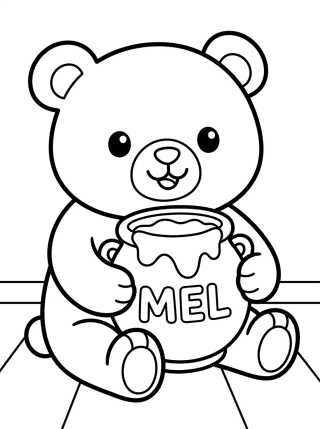
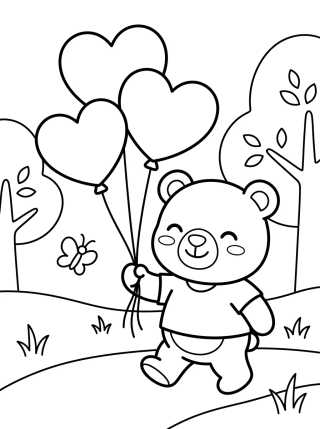
One of the biggest challenges in coloring for kids and adults is differentiating the textures of clothes and animals. For bear fur, for example, instead of painting a solid color, use short, quick strokes following the direction of hair growth. This brings the cute drawing to life and makes it more dynamic.
For fabrics like denim, you can use the "frottage" technique, which involves placing the paper over a rough surface (like a metal screen or coarse wood) and rubbing a crayon over it. The underlying surface texture will be transferred to your coloring page.
Simulating Metal and Shiny Surfaces
To texture character armor or metallic objects, the secret isn't in the line texture, but in the contrast. Leave areas of pure white (the paper itself) to represent intense highlights and use very dark gradients right next to them. This sharp transition simulates metallic reflection in both kids' line art and advanced pieces.
Using AI in Texture Creation
Nowadays, AI-generated coloring pages offer extremely detailed line art patterns that already suggest texture. At Desenhando e Colorindo, we use technology to ensure the lines guide the artist, showing where the texture should be denser or more fluid.
If you prefer a digital coloring book, painting software allows you to create custom brushes that apply textures automatically. However, understanding the manual logic behind texturing is what will allow you to adjust those digital brushes for the best results in your printable art.
Shading Techniques for Depth
Texturing doesn't exist without proper shading. Cross-shading, for example, is a variation of hatching where lines overlap at different angles. This is perfect for creating the illusion of woven fabrics or shadows in indoor environments in our educational drawings.
- Smudge Shading: Use a blending stump or a piece of paper to soften graphite strokes.
- Circulism: Small overlapping circular movements create a smooth and uniform skin texture.
- Directional Shading: Lines follow the curvature of the object, reinforcing its physical mass.
Tips for Printing and Preparing Your Paper
The quality of your texturing also depends on the medium. If you're going to use wet techniques (watercolor, markers), it's best to print your free drawings on higher-weight paper, such as 180g or 200g (cardstock). Very thin paper can wrinkle or tear when applying multiple layers of texture.
Always check if your printer ink is dry before you start coloring, especially if you're using blending techniques or solvents. The line art needs to be intact to serve as the perfect guide for your creativity.
Frequently Asked Questions
What is the best pen for hatching on coloring pages?
Disposable technical pens (fineliners) with tips ranging from 0.05 to 0.5 are the best for creating precise and detailed hatching on any printable drawing.
Can I mix colored pencils with markers to create textures?
Yes! A common technique is to use the marker for shadows and deeper texture details and colored pencil on top to smooth transitions and provide the base color for the cute drawing.
How do I prevent the paper from tearing when doing lots of textures?
Use paper with a weight above 120g and avoid pressing the pencil tip too hard. It's better to build the texture in several light layers than trying to do everything at once.
Does texturing work for online coloring?
Absolutely. Most online coloring apps have built-in texturing tools or brushes that mimic real textures like watercolor, oil, and charcoal, making the digital process easier.
Exploring new texturing techniques completely transforms the experience of bringing images to life. At Desenhando e Colorindo, we have a vast library of free printable coloring pages waiting for your artistic touch. Don't wait—pick your favorite theme, grab your supplies, and start printing and coloring now to put everything you've learned about line art into practice!
Escrito e revisado por Armando Amaro
Fundador do Desenhando e Colorindo. Todo artigo passa por curadoria e revisão humana antes de ser publicado.