Easy Tips to Color Like a Pro with Markers Without Bleeding
01 de setembro de 2026
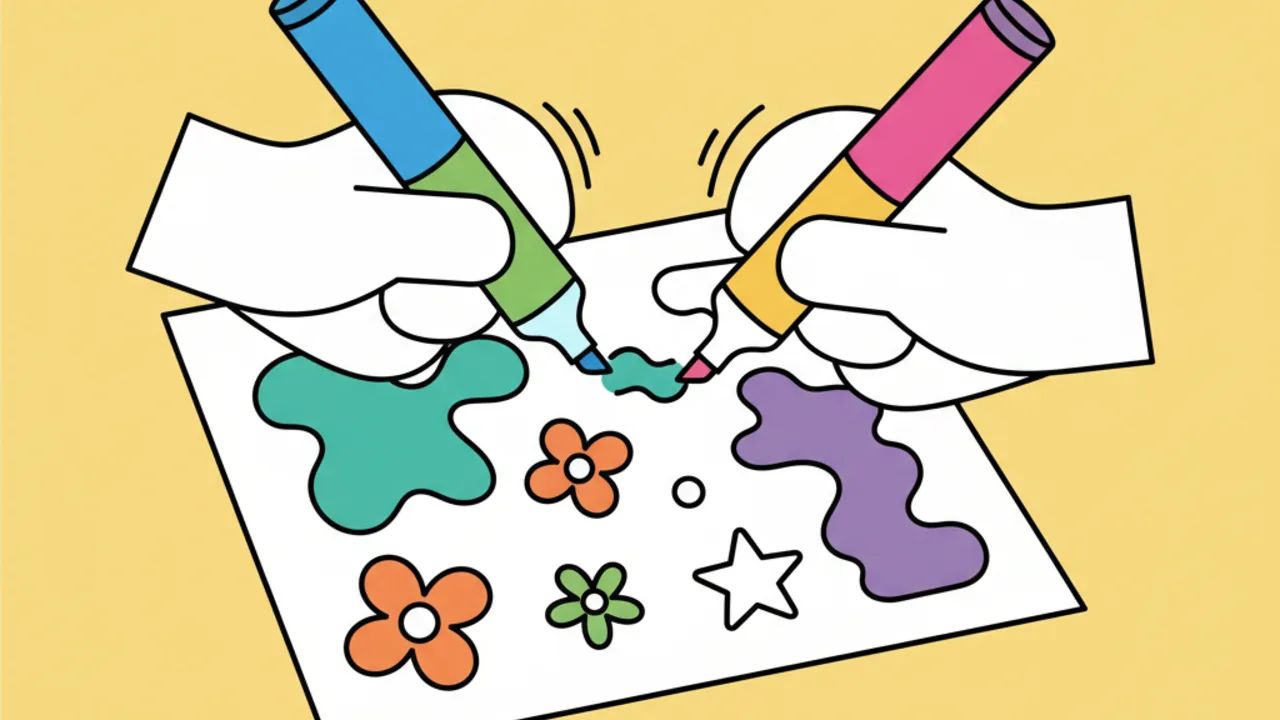
Learn simple techniques to color printable pages using markers without making a mess. Practical art tips for kids and beginners to stay inside the lines! 🎨
Choosing the Perfect Paper for Markers
Many people think that avoiding smudges with markers is all about hand movement, but the truth starts with choosing the right materials. To get the most out of the free printable coloring pages here at Desenhando e Colorindo, using the correct paper weight is a game-changer.
When we print on standard 20lb (75g) printer paper, marker ink tends to absorb too quickly and bleed through the fibers, causing that dreaded fuzzy edge. To prevent this, we recommend 80lb or 110lb cardstock (120g - 180g). These hold the pigment better, allowing you to fill your digital coloring book with precision and vibrant colors.
Besides weight, texture matters too. Very porous papers will soak up all your ink, while smooth or satin finishes allow the tip to glide effortlessly, making it much easier to stay inside the lines on detailed coloring sheets.
The Pro Filling Method: Edges to Center
One of the most effective techniques for keeping your kids' line art looking sharp is working from the outside in. Start by tracing a thin line right next to the black outline. This "safety border" prevents you from accidentally overshooting the lines when you're filling in the center.
Once you've reinforced the inner outline, use short, circular or linear strokes in the same direction. Avoid going over the same spot too many times, as excess moisture can damage the paper fibers and create unwanted dark spots on your educational coloring pages.
Pro Tip: Always place a "bleed sheet" or scrap paper underneath the page you're coloring. This stops the ink from soaking through to your table or the next page in your art book.
How to Hold Your Marker for Maximum Precision
The way you grip your tool completely changes the ink flow. For small, detailed areas in cute coloring pages, hold the marker closer to the tip and at a vertical (90-degree) angle. This ensures only the fine point touches the paper.
When filling in large areas of your coloring printables, tilt the marker slightly to use the side of the nib. This covers more ground with less effort and reduces overlap marks. Pressure control is also vital: the lighter the touch, the less the ink will expand past the lines.
Advantages of Using Felt-Tip Markers
- More saturated and brilliant colors compared to standard colored pencils.
- Makes it easy to fill large areas quickly.
- Boosts fine motor skills for both children and adults.
- Great for highlighting details in complex coloring activities.
- Quick-drying, which helps prevent hand smudges.
Layering and Color Blending Techniques
Coloring with markers requires a little patience. If you want to create shadows or blend colors on your free designs, wait for the first layer to dry completely. Layering wet ink on wet ink can tear the paper or result in a muddy, dull look.
To create smooth gradients in printable art, always start with the lightest shade. Dark colors can easily cover light ones, but the reverse is nearly impossible with water-based markers. Testing your combo on a scrap piece of paper first is a total pro move.
Avoiding Smudges Caused by Hand Contact
A common mistake, especially for lefties or little kids, is dragging the side of the hand over a freshly painted area. Since markers are water or alcohol-based, they need a few seconds to fully set into the paper fiber.
The golden rule is to always color from top to bottom and left to right (if you are right-handed). This ensures your hand is always resting on the white part of the paper, never on what you just colored. Keeping your workspace clean is the secret to flawless coloring pages.
Tips for Art Beginners
- Always swatch your color on a separate sheet; the cap color rarely matches the actual ink on paper.
- Keep your markers capped when not in use to prevent them from drying out.
- If you color online and then print, make sure the printer ink is fully dry before using markers over it.
- Use fine-point pens (fineliners) for those tiny line art details.
- Don't be afraid to make mistakes: every drawing is a chance to learn and have fun.
Using AI-Generated Coloring Pages
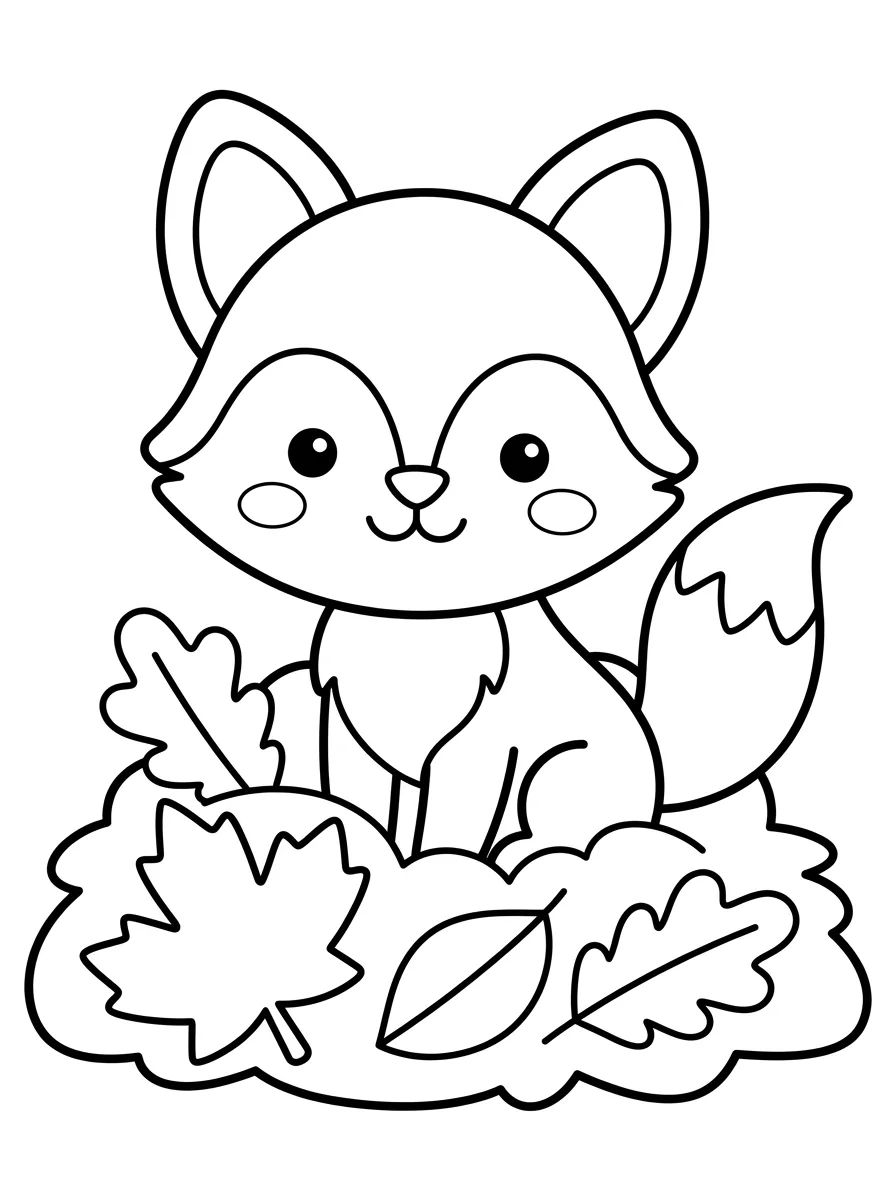
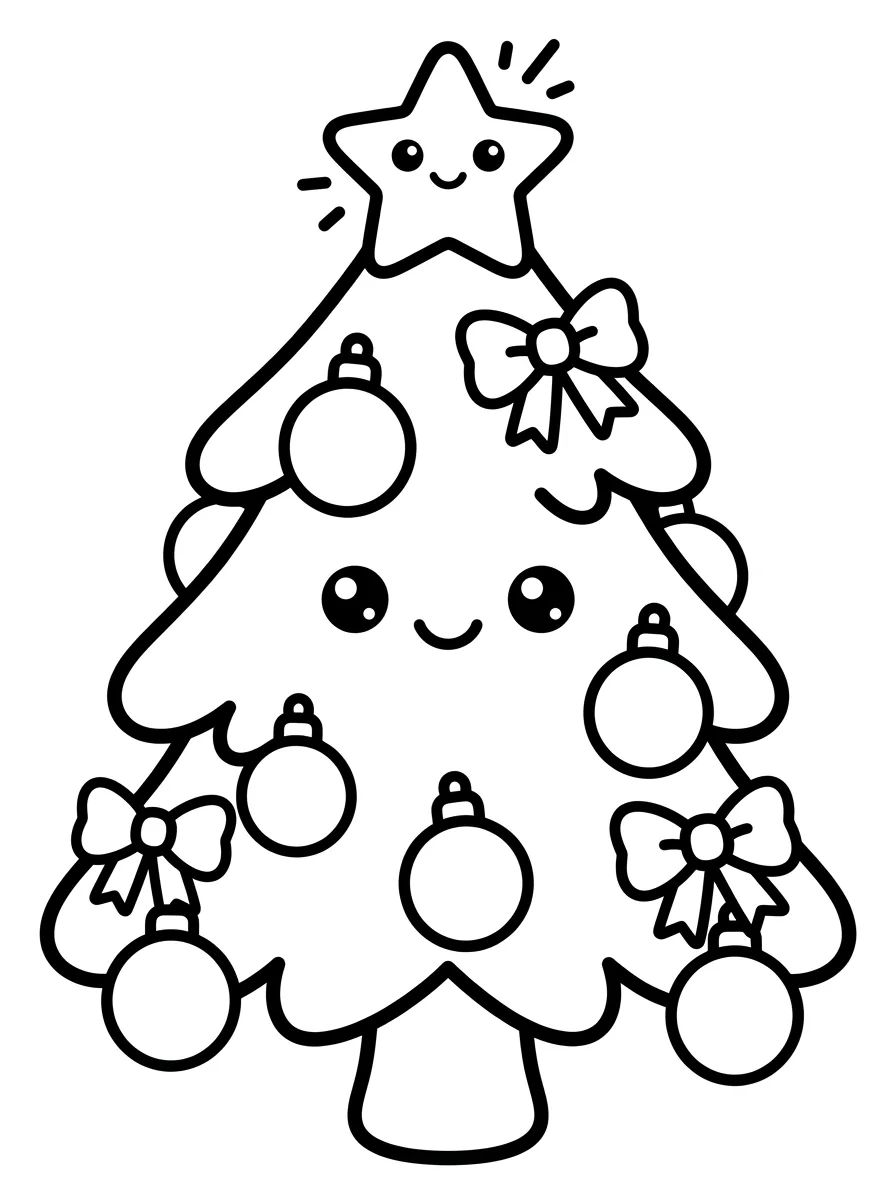
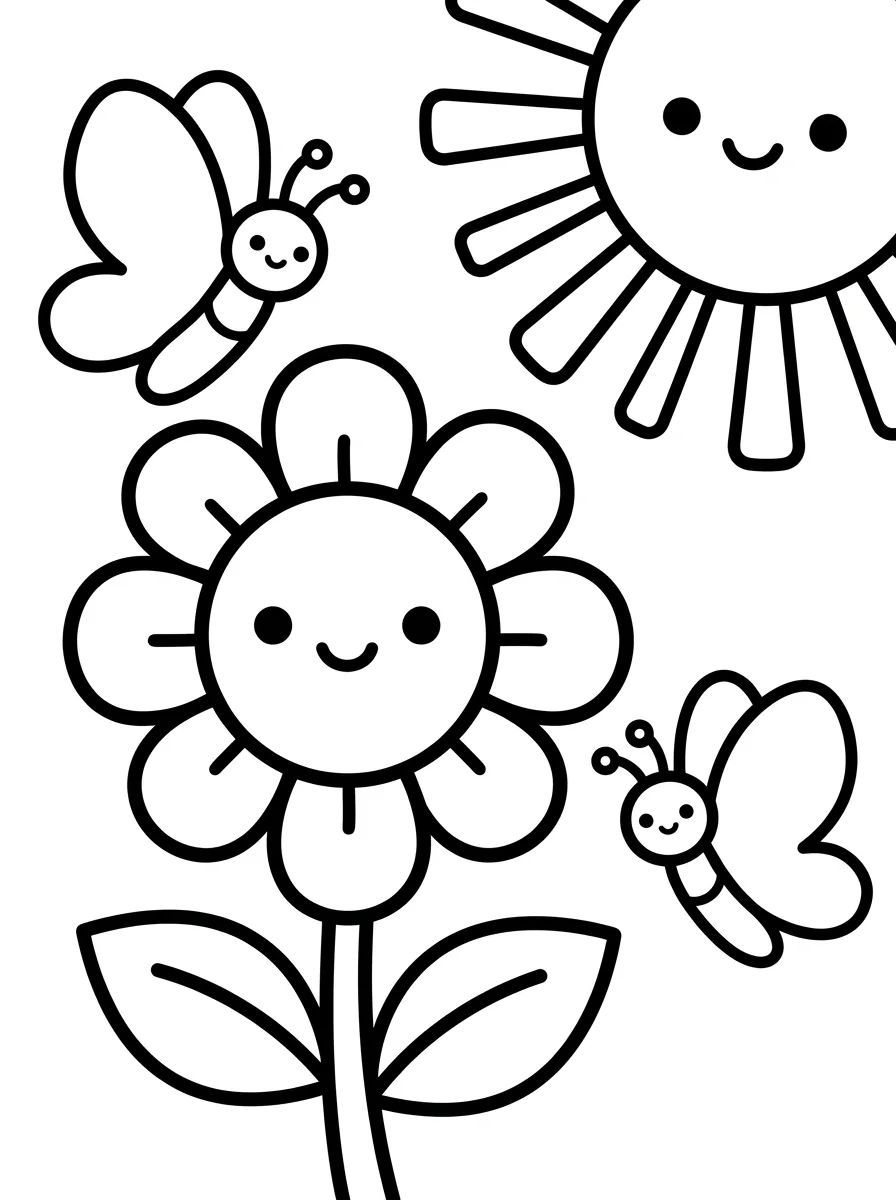
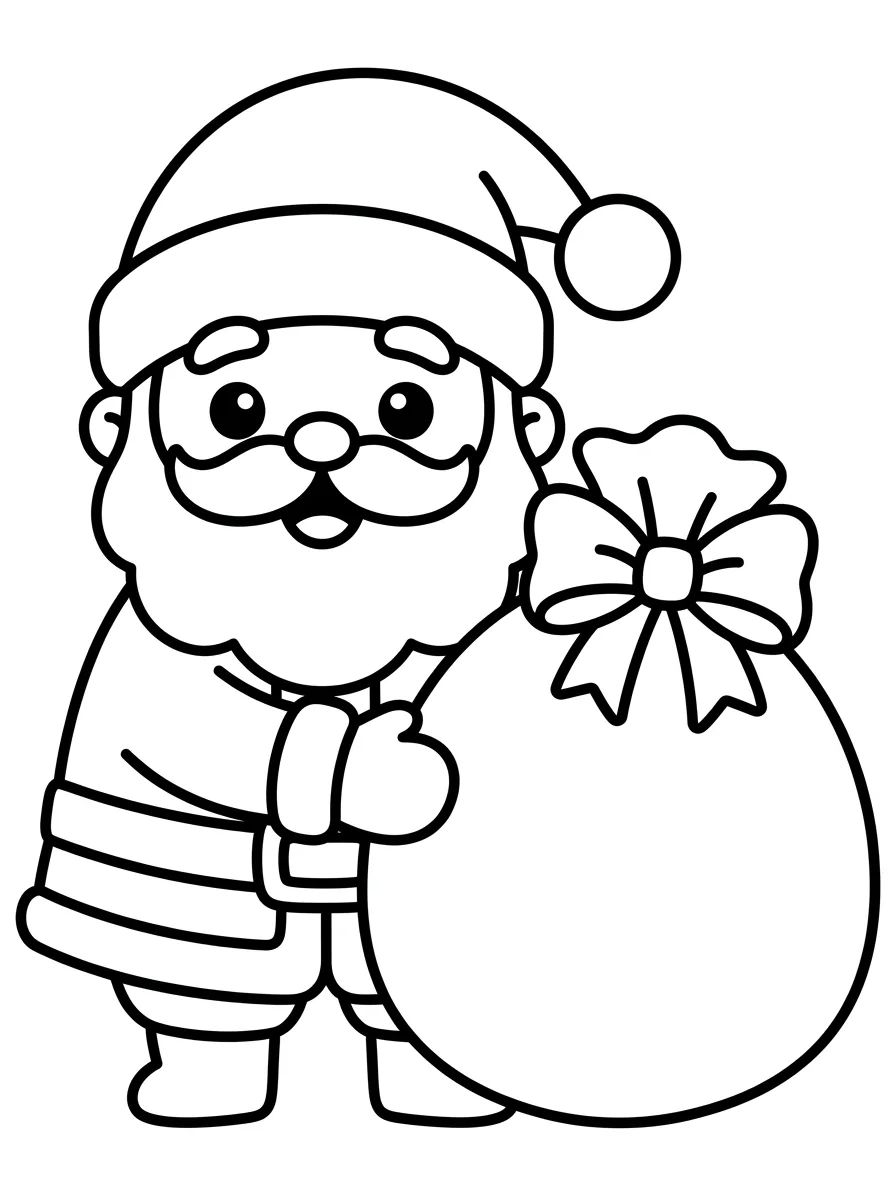
At Desenhando e Colorindo, we offer many AI-generated coloring pages. These designs often feature very crisp, well-defined lines, which is excellent for practicing your stay-inside-the-lines technique. The clarity of the lines helps the brain better map out the spaces to fill.
These modern illustrations range from simple themes to complex mandalas. Regardless of the difficulty level, the marker rules stay the same: steady movements, quality paper, and patience while colors dry.
Maintaining Your Tools for Best Results
Dry markers or those with frayed nibs are the biggest enemies of a clean drawing. If the tip is damaged, it will leak ink "hairs" that bleed past the edges of your printable coloring sheet. Keep your tools organized and replace any that no longer provide a smooth, continuous flow of color.
Storing markers horizontally also helps keep the ink distributed evenly, preventing one end from getting too soaked while the other stays dry. This gives you much better control during your coloring for kids or adult art sessions.
Frequently Asked Questions
How do I fix marker smudges that go outside the line?
If the smudge is small and the paper is thick, you can try a high-precision white eraser pen or a tiny dot of white correction fluid to cover the error. However, prevention using the inner-outline technique is always best.
What are the best markers for children?
For educational coloring, washable and non-toxic markers are the best choice. They are safe for little ones and much easier to clean if they get on clothes or furniture during playtime.
Can I mix colored pencils with markers?
Yes! A great technique is using markers for vibrant shadows and details, and colored pencils for soft background filling. This creates wonderful depth in any coloring page.
Why does the paper tear when I use markers?
This usually happens for two reasons: the paper is too thin (under 24lb/90g) or you are over-saturating the paper by going over the same spot too many times while it's still wet. Try using a heavier weight cardstock.
Now that you've mastered the best techniques to use markers without smudging, it's time to practice! Explore our massive gallery at Desenhando e Colorindo, pick your favorite themes, and start creating amazing works of art right now. Don't forget to print several copies to test different color combos and keep improving your motor skills and creativity.
Escrito e revisado por Armando Amaro
Fundador do Desenhando e Colorindo. Todo artigo passa por curadoria e revisão humana antes de ser publicado.