Simple Shading Techniques for Character Line Art
26 de agosto de 2026

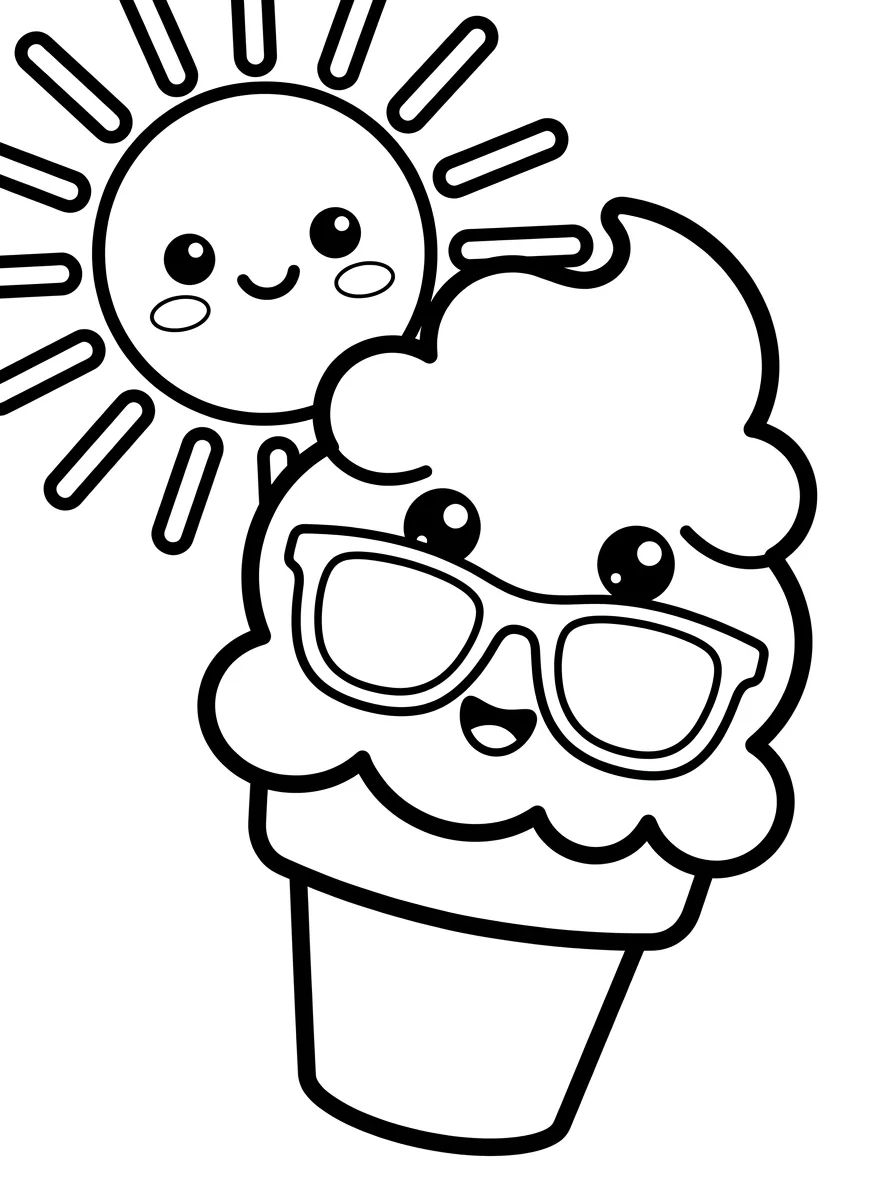
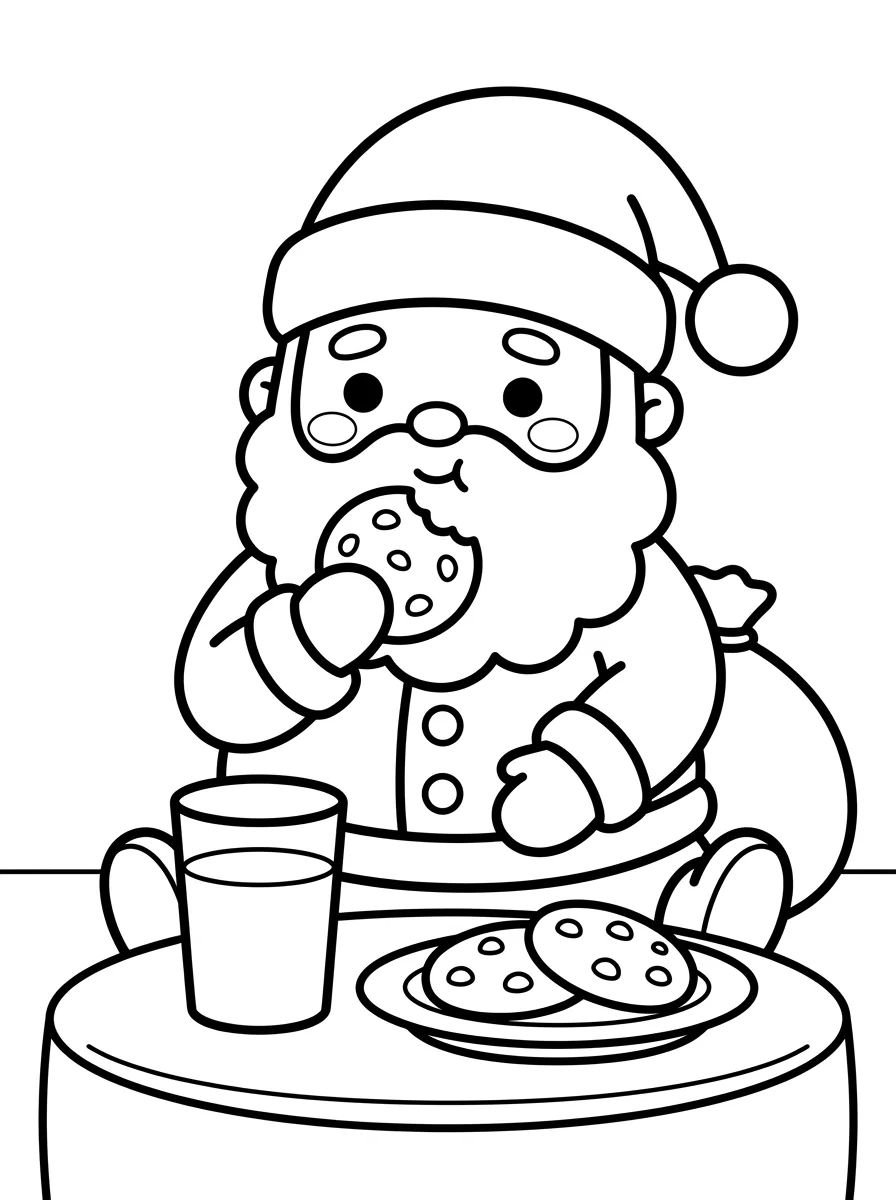
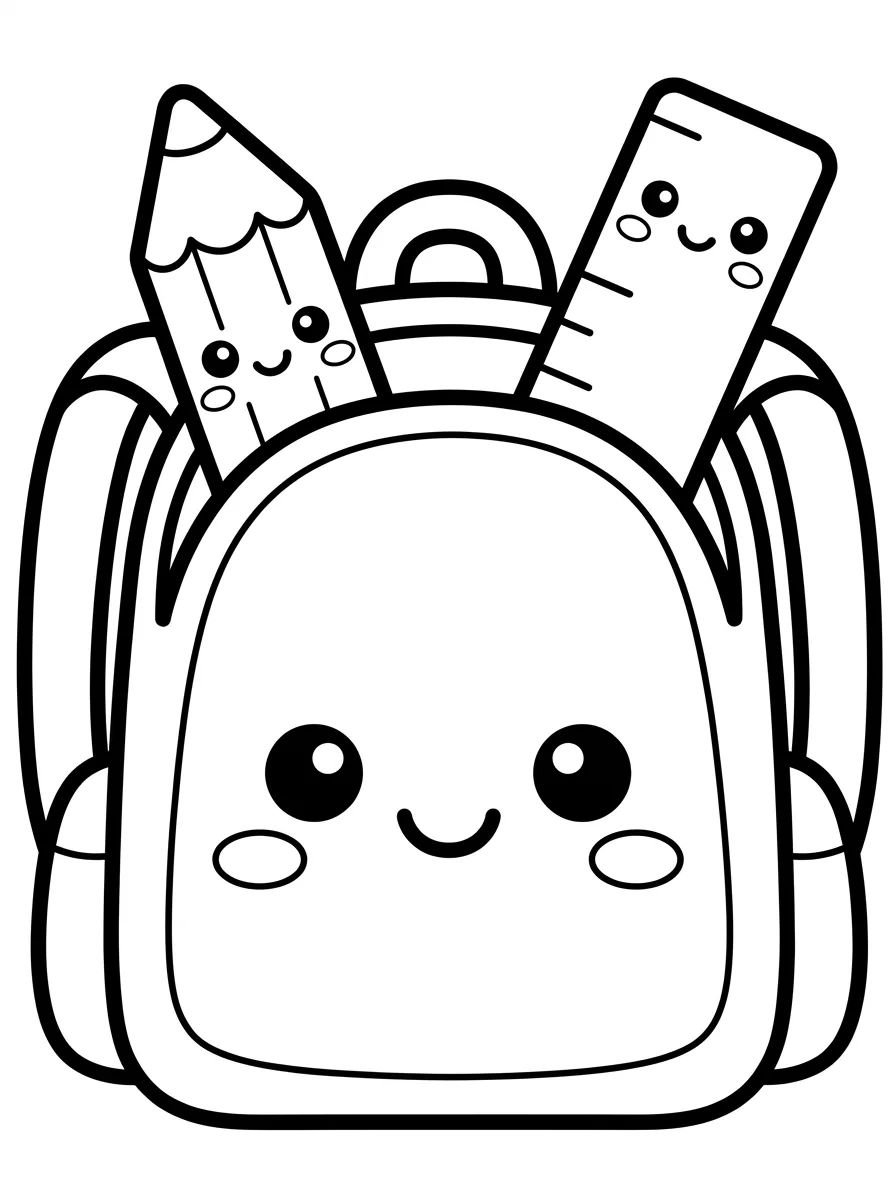
Learn easy shading techniques to bring your coloring pages to life, highlighting details in characters and exclusive line art prints. 🎨✨
Understanding Lighting in Coloring Pages
To start mastering shading in your free printable coloring pages, the first step is defining where the light is coming from. Imagine a small flashlight pointed at your character; where the light hits, the paper stays white, and where the light doesn't reach, we create shadows.
This technique transforms simple kids' line art into a work with depth and volume. When working with educational drawings, explaining this concept to children helps develop spatial perception in a fun and playful way, making the coloring activity much richer.
At Desenhando e Colorindo, our illustrations feature clean lines, which makes visualizing these areas easy. Start with soft-toned colored pencils, applying light layers before deciding where the darkest shadows should be positioned.
Recommended Materials for Shading Educational Drawings
While you can use any materials, some make the process of creating gradients in printable art much easier. Watercolor or soft-core colored pencils are ideal because they allow for color layering without scratching the paper, creating a smooth transition between light and shadow.
If you prefer online coloring, digital tools offer airbrush brushes that simulate this effect perfectly. For those who prefer physical paper, having a blending stump or even a piece of cotton can help spread the pencil pigment, softening the edges of the shading.
Remember that print quality also matters. When using AI-generated drawings from our platform, make sure to set your printer to high-quality mode to ensure that the black lines don't smudge during coloring.
Pro Tip: Use the cross-hatching technique in small spaces. Instead of filling everything at once, make thin, parallel lines. To darken it further, cross those lines with others in the opposite direction. It gives an amazing professional effect!
Shading Techniques for Cute Characters
Characters in cute drawings usually call for softer, more rounded shading. The "cel shading" technique, very common in anime, works great here. It consists of creating blocks of shadows with well-defined edges, without necessarily making a gradient.
This approach is excellent for beginners exploring digital coloring books or printed pages, as it requires less manual pressure control. You simply choose a color one shade darker than the base color and paint the shadow areas solidly.
For characters with round faces, apply a light shadow under the bangs or under the chin. This highlights the face structure and makes the drawing "pop" off the page, giving an instant 3D feel.
How to Choose the Ideal Shadow Colors
Many people make the mistake of using a black pencil for shadows. However, using complementary colors or darker tones of the same base color creates a much more vibrant and realistic result in your coloring pages.
- For shadows in yellow areas, try using a shade of orange or light brown.
- In green areas, use a dark blue or forest green for the depths.
- For character skin, dark peach or lavender tones can create very delicate shadows.
- In drawings of ice or clouds, light blue and bluish-gray are the best choices.
Working with Line Art and Artificial Intelligence
Current technology allows for AI-generated drawings that already suggest areas of depth through line thickness. At Desenhando e Colorindo, our AI tools are calibrated to provide line art that makes learning light and shadow easier.
When printing an AI-generated drawing, look at the thicker lines; they usually indicate the side opposite the light source. Use this as a visual guide. If the line at the bottom of an arm is thicker, that's where you should concentrate most of your dark pigment.
This integration between technology and traditional art is what makes our site unique, offering coloring activities that keep up with modern teaching methods and children's entertainment.
Shading Sceneries and Nature Elements
It's not just characters that need shadows. In printable coloring pages featuring landscapes, shading helps define the time of day. Long shadows suggest late afternoon, while short shadows indicate noon.
For trees and bushes, use circular motions with the pencil. This creates a texture that mimics leaves. Keep the top part lighter and get darker as you approach the trunk or the bottom of the canopy. This technique is relaxing and perfect for adults seeking coloring as therapy.
In drawings of water, like rivers or lakes, shading should be done with horizontal strokes. This helps convey the idea of a flat, reflective surface, increasing the realism of your kids' line art.
Benefits of Shading for Children's Creativity
Teaching children to shade goes beyond aesthetics. This practice develops fine motor skills, as it requires control over the pressure applied to the paper. Additionally, it stimulates focus and patience—essential qualities for school learning.
- Development of visual perception and depth.
- Improved hand-eye coordination during coloring activities.
- Stimulation of logical reasoning by predicting where light would fall.
- Increased self-confidence when seeing the drawing take on a 3D appearance.
Finishing Your Piece: Blending and Contrast
After applying shadows, contrast is what brings the final touch. Don't be afraid to make the dark areas truly dark and the light areas bright. High contrast makes educational drawings much more visually impactful.
If you're using various colors, try blending the shadow edges with the base color using a white pencil or a very light tone. This helps smooth the transitions, creating a professional effect worthy of a high-quality digital coloring book.
Finally, review your work under natural light to ensure the shadows are consistent throughout the character. Every detail, no matter how small, contributes to the story your drawing is telling through colors.
Frequently Asked Questions
What is the best color for shading in coloring pages?
It depends on the base color, but avoid pure black. Use darker shades of the same color or analogous colors on the color wheel, like a dark blue to shade purple, for a more natural result.
Can I use markers for shading?
Yes, you can use markers by doing small dots (stippling) or thin lines (hatching). However, since they don't allow for pressure-based gradients, the effect will be more stylized and graphic.
How do I teach small children to shade?
Start by asking them to color "harder" on the edges and "softer" in the middle. Use simple terms like "the part hiding from the sun" to explain where to put the dark colors.
Where can I find good drawings to practice these techniques?
On the Desenhando e Colorindo website, we have a vast collection of kids' line art and exclusive drawings that are perfect for practicing light, shadow, and various textures.
Now that you know the best shading techniques, it's time to get to work! Explore our full gallery, pick your favorite themes, and print for free right now. Let your creativity flow at Desenhando e Colorindo and turn every page into a true masterpiece! 🎨
Escrito e revisado por Armando Amaro
Fundador do Desenhando e Colorindo. Todo artigo passa por curadoria e revisão humana antes de ser publicado.