Crayon Coloring Techniques for Educational Pages
31 de agosto de 2026
Discover how to use crayons to bring life to educational coloring pages. Learn pro tips to color and print exclusive art right now! 🖍️✨
Why Choose Crayons for Your Coloring Pages?
Crayons are one of the most iconic materials when it comes to coloring activities. At Desenhando e Colorindo, we believe that the simplicity of these wax sticks offers unparalleled creative freedom, especially for those just starting to explore the educational drawings we provide on our platform.
Unlike colored pencils, which require more precision, crayons allow you to fill in large areas quickly. This is ideal for young children who are still developing fine motor skills, allowing them to see immediate results when they print for free their favorite art and start applying color.
Plus, crayons are versatile. They can be used on the tip for details or on the side for soft shading. When you download our cute drawings, you can experiment with different brands and textures, from traditional school crayons to retractable or gel versions that offer professional finishes.
Preparing the Surface to Print and Color for Free
Before applying any painting technique, the secret to a great result lies in the choice of paper. For coloring pages that will be finished with crayons, we recommend using slightly heavier paper, such as 24lb or 28lb bond paper, which can handle the pressure of the material.
While browsing Desenhando e Colorindo, select your favorite images from our gallery of kids' line art. Make sure the print is crisp so the outlines help guide the coloring. Crayon adheres best to surfaces with a slight texture, creating that charming and nostalgic grainy effect.
If you are using AI-generated drawings from our site, the lines might be more detailed. In these cases, keep your crayon tip sharp so you don't overlap into adjacent areas, ensuring your physical digital coloring book looks flawless.
Pro-tip: To prevent the crayon from smudging the back of the sheet or staining the table, place a paper towel or a piece of cardstock under your coloring page while working with darker colors.
Essential Filling and Pressure Techniques
Mastering hand pressure is the first step to leveling up your printable art. Crayons react intensely to the force applied. Light pressure creates soft pastels, ideal for skies and backgrounds, while heavy pressure generates vibrant, solid colors.
A very effective technique is circular filling. Instead of coloring in straight lines, make small circular motions over the educational drawing. This helps eliminate white spots on the paper and creates a much more uniform and professional layer of color, without visible gaps.
You can also experiment with the layering technique. Start with a light color as a base and gradually add darker colors on top. Since crayons are made of wax, the layers blend slightly, allowing you to create new tones and depths that make the coloring activity much more dynamic and interesting.
Benefits of Crayons in Child Development:
- Stimulates gross and fine motor coordination in a fun way.
- Promotes color recognition and the mixing of primary pigments.
- Develops spatial perception by respecting the boundaries of line art.
- Provides a rich sensory experience through the texture of the wax on paper.
- Increases focus time on educational and creative tasks.
Exploring Blending and Color Mixing
Although many think crayons don't allow for mixing, the truth is they are excellent for color transition techniques. When coloring for kids, teaching how one color can transform into another is a valuable art lesson. You can use a cotton ball or even your finger to smudge the edges where two colors meet.
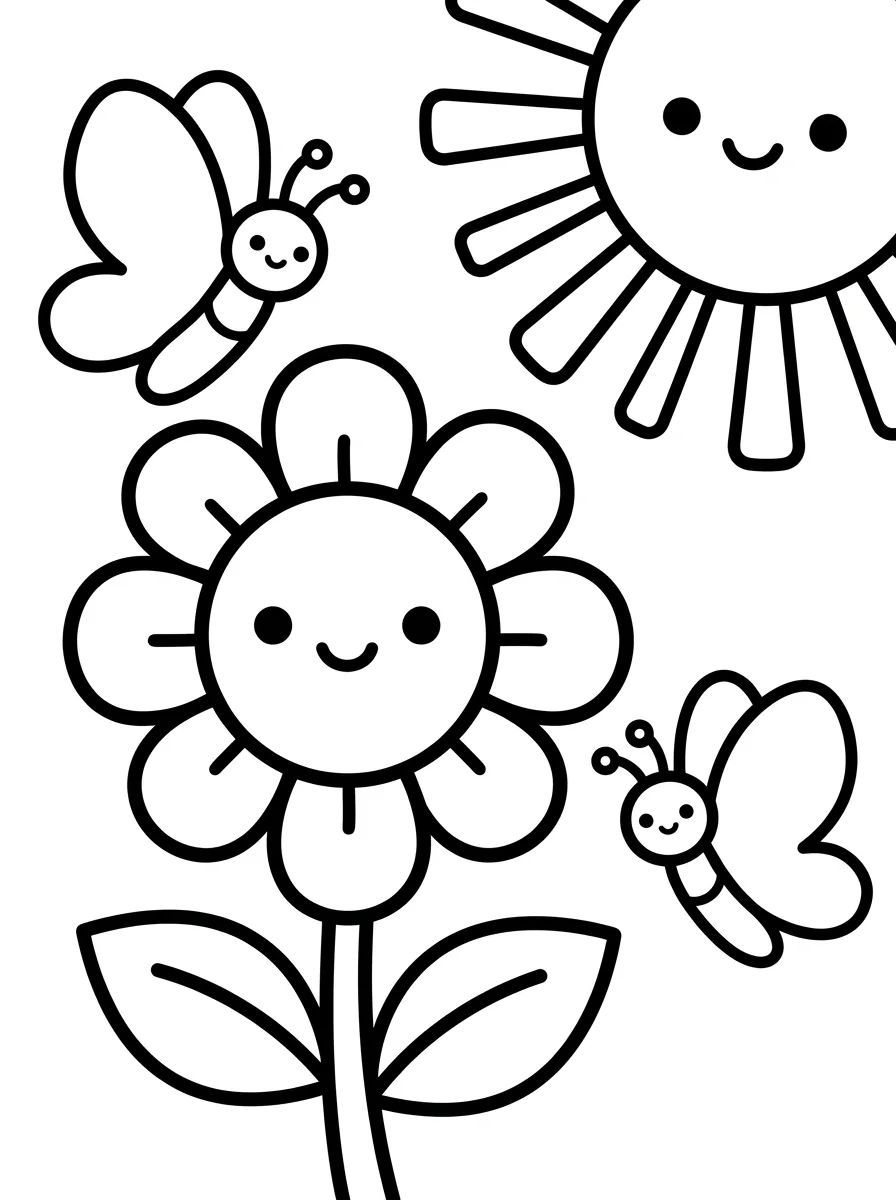
When working with educational drawings of nature, such as flowers or animals, try applying yellow in the center and orange on the edges, blending the junction. The heat from friction slightly melts the wax, allowing the pigments to blend smoothly, creating a perfect gradient that enhances the coloring page.
Another trick is to use a white crayon. It serves as a natural "blender." If you've applied a color too strongly, go over it with the white crayon using medium pressure. This will lighten the tone and seal the wax, giving the surface a polished, glossy look typical of finished artworks.
Sgraffito Technique: Creating Magical Effects
Sgraffito is one of the most fun techniques to use on our coloring pages. It involves covering an entire area with vibrant colors and then covering it all with a thick layer of black crayon. Then, using a toothpick or a dull pointed object, you "draw" by scratching away the black layer.
This technique reveals the vibrant colors underneath, creating a neon or fireworks effect. It's excellent for adding details to cute drawings like stars, patterns on characters' clothes, or grass textures. Kids love the surprise element this activity provides.
For the best result, make sure the first layer of color is very dense and saturated. By using this technique on printable art from Desenhando e Colorindo, you transform a simple sheet of paper into a complex and visually striking art project.
Recommended Materials to Go With Your Crayons:
- Specific sharpeners for thick jumbo crayons.
- Plastic scrapers for the sgraffito technique.
- Paper towels to clean the tips of the crayons and avoid color contamination.
- Spray fixative (for adults to apply) to set the wax and add final shine.
- A dull craft knife to create hair or feather textures on educational drawings.
Online Coloring vs. Crayon Coloring
At Desenhando e Colorindo, we offer the online coloring option, which is fantastic for testing color palettes before heading to paper. However, using physical crayons brings benefits that digital cannot reach, such as the physical resistance of the material and the satisfaction of touching the finished work.
Many parents use our AI drawing tool to create scenes and then print them so kids can practice with crayons. This combination of technology and traditional art is what makes learning so rich, especially during back-to-school seasons when creative activities are in high demand.
The transition between digital and physical helps children understand that creativity has no limits. What they see on the screen can be transformed into something tangible and manually colored, using light, shadow, and texture techniques that only crayons provide with such ease.
Tips for Keeping Your Educational Drawings Organized
After applying all these techniques to your free printable coloring pages, it’s important to know how to preserve the work. Wax can transfer from one sheet to another if drawings are stacked. Placing a sheet of tissue paper between pages is a simple and effective solution.
Organizing art in folders by theme helps create a portfolio of artistic evolution. At Desenhando e Colorindo, we have categories ranging from animals to science, making it easy to create a true album of educational coloring activities that can be revisited in the future.
Preservation tip: If the crayon develops a white film over time (a phenomenon called wax bloom), simply wipe it gently with a soft, dry cloth to restore the original shine to your painting.
Frequently Asked Questions
What is the best type of crayon for beginners?
For young children, jumbo crayons are highly recommended as they are easier to grip. For those looking for more detail in coloring pages, triangular crayons or artistic wax sticks offer greater control and precision for fine lines.
How do I prevent crayons from breaking easily?
Avoid pressing too hard when the tip is very long. Always keep crayons in holders or sturdy boxes. If a crayon breaks, you can melt the pieces in silicone molds to create new multicolored crayons, using every bit of material for your cute drawings.
Can I mix crayons with other materials?
Yes! Crayons work very well with watercolors (wax-resist technique) or over colored pencils to add shine. Try applying crayons to the outlines and then painting the interior with light washes for an incredible effect on printable art.
How do I remove crayon stains from clothes?
If the fun with our educational drawings ends up with stains on clothes, use a little dish soap and warm water before washing. For stains on paper where you didn't want color, try scraping lightly with a spatula, as wax doesn't erase with a standard eraser.
Now that you know the best techniques for using crayons, it’s time to put it all into practice! Browse Desenhando e Colorindo, pick your favorite themes, and take the chance to print for free from our vast collection. Whether using artificial intelligence to create something new or choosing a classic kids' line art, the important thing is to let your imagination run wild and color your world with joy!
Escrito e revisado por Armando Amaro
Fundador do Desenhando e Colorindo. Todo artigo passa por curadoria e revisão humana antes de ser publicado.