Watercolor Techniques for Wildflower Coloring Pages
14 de setembro de 2026
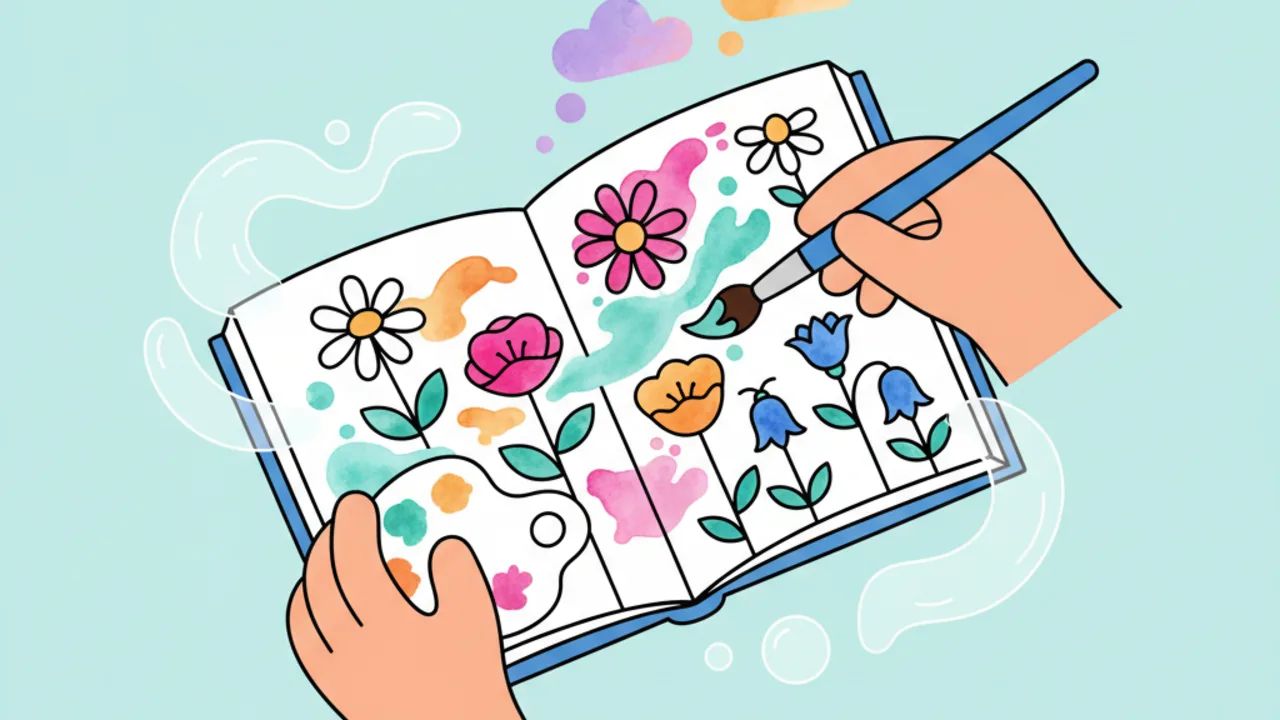
Master watercolor techniques for painting wildflowers on your coloring pages. Get expert tips for using paints on our free printable designs! 🎨🌸
Choosing the Perfect Paper for Free Printable Coloring Pages
Before dipping your brushes into the water, the most crucial step for anyone wanting to use watercolors on free printable coloring pages is choosing the right paper. Most educational coloring pages printed at home use standard printer paper (20lb or 24lb). This type of sheet cannot handle moisture and will end up warping or tearing.
To achieve a professional look for your coloring sheets, we recommend printing your kids' line art or cute drawings on paper with a weight higher than 180gsm (approx. 65lb cardstock). If your printer allows, 300gsm watercolor paper is the gold standard, ensuring that the colors of your wildflowers blend smoothly without damaging the paper fibers.
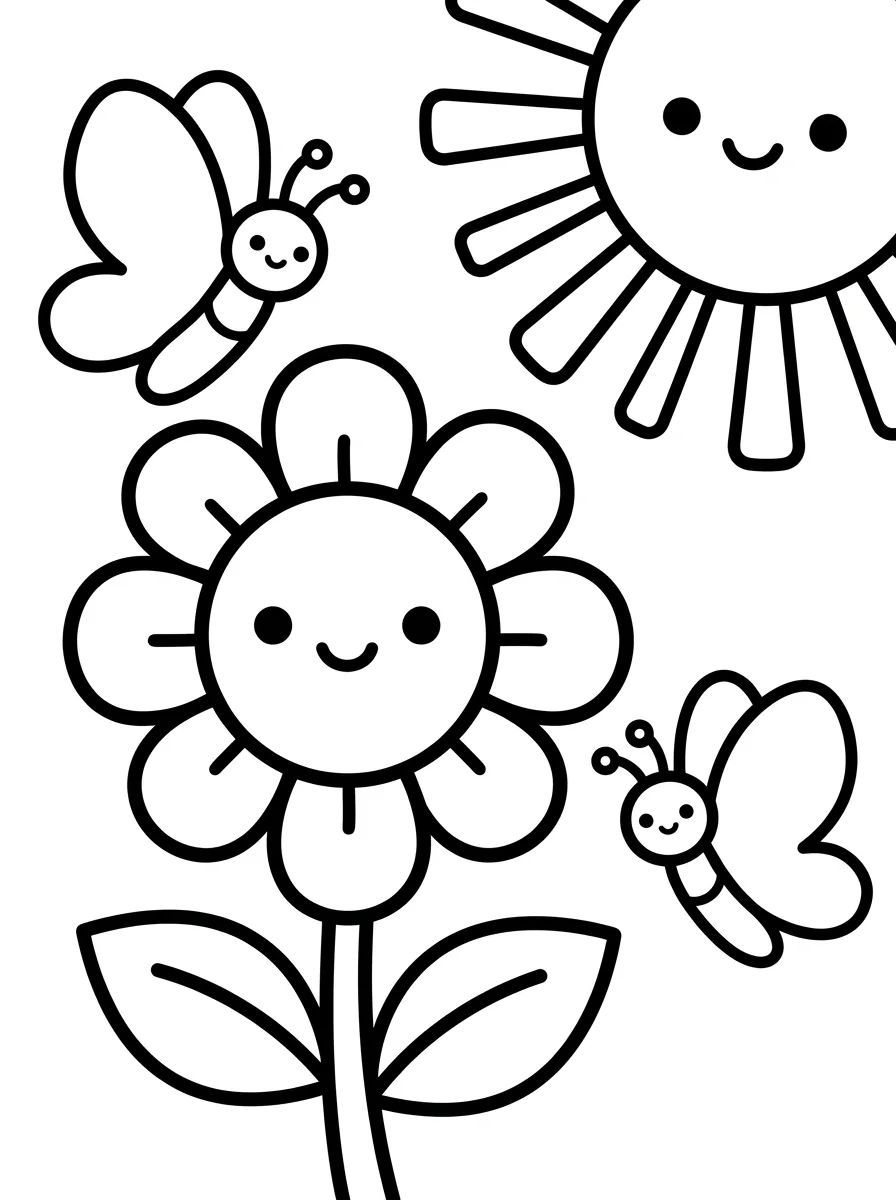
At Desenhando e Colorindo, we offer a vast library of printable art that works perfectly for this technique. When selecting a flower design, look for well-defined outlines. This helps keep the paint inside the petals while you practice water flow, effectively creating your own physical, personalized digital coloring book.
Setting Up Your Wildflower Color Palette
Wildflowers like daisies, lavender, and poppies require a palette that is both vibrant and translucent. When using printable coloring pages, you can test your mixes before touching the final paper. Watercolor is all about layers; always start with the lightest colors and gradually build up to darker tones to add depth to stems and leaves.
Using free coloring pages to practice color theory is an excellent educational coloring activity. Try mixing yellow and blue directly on dampened paper to create natural green variations for the leaves. This "wet on wet" technique creates soft transitions that mimic real nature during the spring season, when wildflowers really begin to pop.
Pro Tip: Always test your color intensity on a scrap of the same paper you used to print your coloring pages. Watercolor usually dries one shade lighter than when it's wet, so don't be afraid to saturate your flower shadows a bit more.
The Flat Wash Technique for Uniform Petals
The flat wash technique is fundamental for filling large areas of your coloring pages with a solid, even color. It’s ideal for painting the background of a flower field or sunflower petals. To apply it, load your brush with plenty of pigment and water, and make continuous horizontal strokes from top to bottom on your printable drawing.
Keeping a "wet edge" is the secret to avoiding dry brush marks. When coloring with kids, this technique helps teach patience and fine motor control. The free printable wildflower coloring pages on our site feature various spacing, allowing you to practice everything from broad areas to tiny details like pollen and pistils.
Smooth Gradients in Spring Flowers
To create a light and shadow effect in flowers like tulips or orchids, the gradient (or graded wash) is essential. Start by applying the most intense color at the base of the petal and, with a clean, damp brush, pull the paint toward the upper edge. This creates a natural transition that enhances the kids' line art and turns a simple drawing into a masterpiece.
Using the Wet on Wet Technique
This is perhaps the most magical watercolor technique to use on coloring pages. It involves applying clean water to an area of the drawing first and then dropping in bits of paint. The color spreads in an unpredictable, organic way, perfectly simulating the delicate texture of wildflower petals found in nature.
When you download your free drawings from Desenhando e Colorindo, try this technique in the center of the flowers. The dispersion effect creates an artistic look that’s hard to achieve with colored pencils or crayons. It’s a favorite coloring activity for adults seeking relaxation and creative expression through fluid painting.
- Water Control: Keep a paper towel nearby to dab off excess moisture from your brush.
- Drying Time: Let each layer dry completely before adding fine details with ink pens over the watercolor.
- Outline Protection: If printing on an inkjet printer, water may smudge the black outlines. Use a laser printer or a fixative spray before you start.
- Primary Colors: Always keep blue, red, and yellow handy to mix your own earthy tones for stems and branches.
Detailing with the Dry Brush Technique
Once the first layers of water have dried on your printable coloring pages, you can use the dry brush technique to add textures. Use a brush with very little water and a lot of pigment to create leaf veins or the fine fuzz on wildflower stems. This adds an impressive level of realism when coloring for kids and beginners alike.
The contrast between the fluid watercolor base and the sharp dry brush details makes cute drawings come to life. This technique is widely used in digital coloring books printed for botanical studies. At Desenhando e Colorindo, we encourage using different materials on our templates to expand pedagogical and artistic possibilities.
Highlights and Light with White Gouache
Often, we lose the white of the paper when water coloring. A pro tip for those using printable art is to use a bit of white gouache or a white gel pen to bring back highlights on the petals or the shimmer of morning dew. These final touches make all the difference in a professional coloring page composition.
Educational Benefits of Watercolor in Learning Pages
Painting educational drawings with watercolor goes beyond fun. For children, working with water flow helps develop visual perception and patience, as they must wait for layers to dry. It's an excellent way to introduce concepts of color mixing and physical states of matter during school coloring activities.
Teachers can use our free printable wildflower coloring pages to teach about local flora, the seasons, and the importance of pollinators. Watercolor allows a level of freedom that colored pencils limit, encouraging children not to fear mistakes and to explore "happy accidents" as part of the creative process in kids' line art.
- Improves fine motor skills through brush handling.
- Stimulates creativity in creating new color shades.
- Promotes relaxation and reduces stress in both children and adults.
- Provides an accessible introduction to the world of fine arts.
How to Set Up Your Painting Space at Home
To get the most out of our printable coloring pages, set up an environment with good lighting, preferably natural light. Protect your table with a plastic cloth or newspaper, as watercolor can splash. Have two jars of water: one for cleaning dirty brushes and another with clean water to hydrate your paints, ensuring your wildflowers don't end up with muddy colors.
Whether you are using AI-generated drawings or classic templates from our site, make sure to tape the paper to the table with masking tape on the edges. This prevents the paper from curling excessively while you apply water techniques, keeping your kids' line art flat and ready to be framed after it dries completely.
Printing Tip: When setting your printer to download coloring pages, choose the "High Quality" option and adjust the paper type to "Matte" or "Heavy Paper." This ensures the printer ink won't bleed when it comes into contact with the watercolor.
Frequently Asked Questions
Can I use watercolor on standard printer paper?
While possible, it’s not recommended. Standard paper is too thin and absorbs water too quickly, causing extreme warping and potential holes. For best results with coloring pages, use paper that is at least 65lb (180gsm) or higher.
How do I stop the black outlines from smearing with water?
If you use an inkjet printer, the outlines might bleed. The solution is to use a laser printer or, if that’s not an option, apply a light coat of workable fixative or even a tiny bit of hairspray over the printable drawing before you start painting.
What are the best brushes for beginners?
Soft synthetic round brushes are ideal. A medium size (#6 or #8) for larger areas and a fine size (#0 or #2) for the details of the petals and wildflower stamens are enough to start your coloring activities.
Where can I find flower drawings to practice?
On the Desenhando e Colorindo website, we have an exclusive category of free printable coloring pages focused on nature and botany, perfect for practicing all the watercolor techniques mentioned in this guide.
Mastering watercolor on printable coloring pages is a rewarding journey that blends technique and relaxation. By using our wildflower coloring sheets, you have the perfect canvas to explore your creativity without limits. Don't wait—pick your favorite templates from our collection, prep your paints, and start bringing life and color to our free drawings today. The art of coloring is waiting for you!
Escrito e revisado por Armando Amaro
Fundador do Desenhando e Colorindo. Todo artigo passa por curadoria e revisão humana antes de ser publicado.