Watercolor Techniques for Nature and Flower Coloring Pages
29 de setembro de 2026
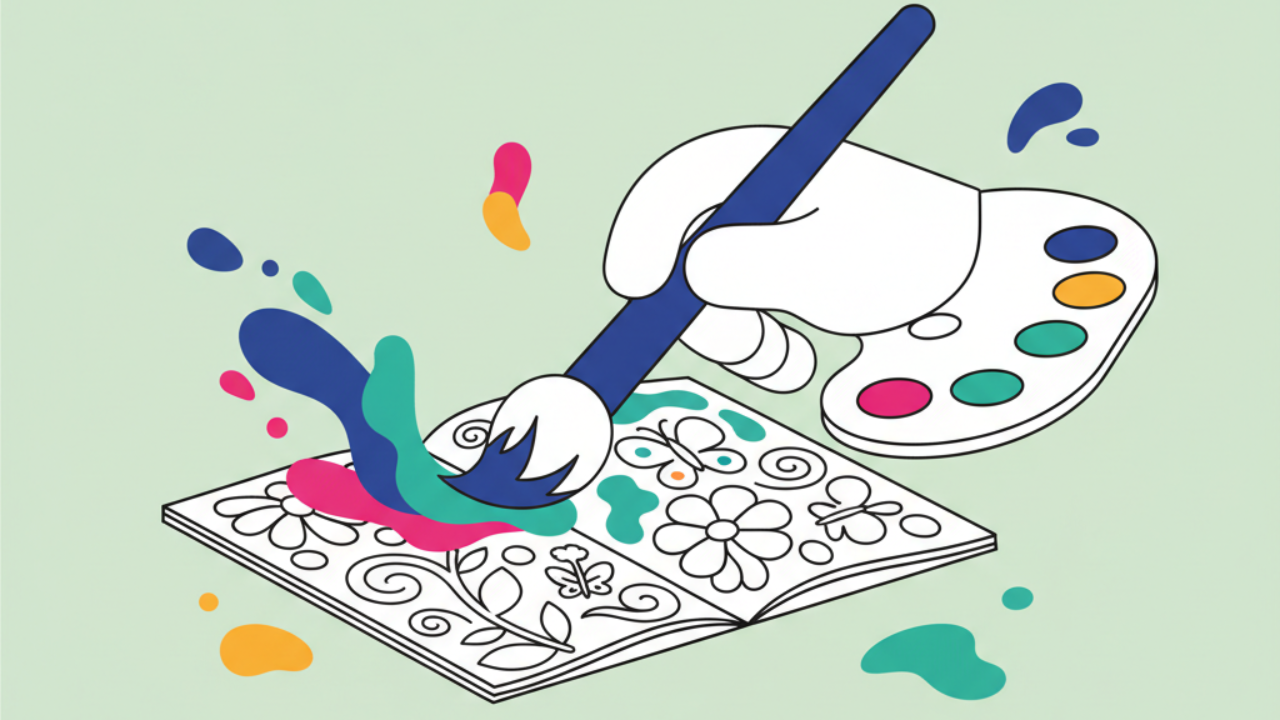
Discover easy watercolor techniques for painting flowers and nature. Pro tips to turn your printable coloring pages into stunning works of art. 🎨🌸
Why use watercolor on your free printable coloring pages
Painting printable coloring pages with watercolor is a fascinating way to level up your art game. Unlike traditional colored pencils, watercolor offers a fluidity and transparency that perfectly captures the delicacy of flower petals and the vibrancy of natural landscapes. With the arrival of milder weather, there’s no better time to explore your creativity through botany-focused coloring sheets.
Using water-based paints in your coloring activities allows you to create smooth gradients that are hard to achieve with other tools. The technique requires a bit more care with the paper, but the final result on kids' line art or adult pages is truly frame-worthy. When you download your designs from Desenhando e Colorindo, you have the perfect base to test these color blends.
Preparing the ideal paper for watercoloring
A common mistake when trying to use watercolor on free drawings downloaded online is printing on standard 20lb (75g) printer paper. The water will cause the paper to warp or tear. For the best results on your educational drawings, we recommend using heavier cardstock, such as 110lb (200g), which handles moisture much better.
If your printer doesn't support thick paper, a pro tip is to print the design on regular paper and then transfer the outline to professional watercolor paper using a light box or a sunny window. This way, your printable art transforms into a professional canvas ready for vibrant pigments.
Choosing colors for flowers and nature
When selecting colors for your blooms, think about color harmony. Flowers like roses and tulips look amazing with layering techniques (glazing). Start with the lightest colors and gradually build up the shadows. For nature backgrounds, olive and emerald greens create a realistic depth that enhances the cute drawings in our collection.
Wet-on-Wet Technique
The wet-on-wet technique is ideal for filling large background areas in printable coloring pages. First, run a clean, wet brush over the desired area, then apply the paint. The color will spread magically, creating soft skies or blurry meadows.
This technique is excellent for children transitioning from online coloring to paper, as it lets them see colors mix organically. It’s one of the most playful ways to practice painting on large-format coloring pages, such as sunflower fields or tropical forests.
Quick Tip: To prevent water from spreading to areas you want to keep white, use masking tape on the edges or apply masking fluid to small flower details before you start painting.
Wet-on-Dry Technique
For fine details in your kids' line art, the wet-on-dry technique is the way to go. Here, you apply wet paint directly onto dry paper. This gives you total control over the brush, making it perfect for defining leaf veins, flower stamens, and petal edges.
Many adults who use digital coloring books as therapy prefer printing the art to practice patience and motor precision with this technique. It’s a great way to turn simple coloring pages into detailed, high-contrast illustrations.
- Edge Control: Use less water on the brush to create sharp lines.
- Textures: Great for simulating tree bark or the veins of an autumn leaf.
- Layering: Wait for the first layer to dry completely before applying the second to avoid muddy colors.
Creating natural textures with salt and sponges
Nature isn't perfectly smooth, and your printable coloring pages don't have to be either. You can use household items for cool effects. For example, table salt sprinkled over wet paint absorbs pigment and creates patterns that look like snowflakes, moss, or grainy flower centers.
Kitchen sponges are also great allies. By lightly dabbing a sponge soaked in green and yellow tones, you can create the illusion of dense foliage on trees—something that would take hours with just a brush. These coloring activities become true sensory experiences.
Light and shadow effects on petals
To give flowers volume in your coloring pages, identify your light source. Leave the parts facing the light almost paint-free, with just a faint highlight, and concentrate darker tones in the folds and base of the petals. This creates a 3D effect that makes the drawing pop off the page.
Using fine liners with watercolor
A strong trend in line art is combining watercolor with precision pens (fineliners). After painting and letting it dry completely, you can reinforce the outlines or add hatching textures. This helps bring back the definition that might have been lost when the water expanded.
This technique is widely used in AI-generated drawings that have thinner outlines, allowing the artist to highlight what matters most. At Desenhando e Colorindo, we offer various line styles for you to test this mixed-media combo.
Essential materials for beginners
If you're just starting to explore free drawings for painting, you don't need expensive gear. A basic watercolor pan set, two brushes (a medium round and a fine detail brush), and a jar of clean water are enough to transform your printable art.
- Brushes: Choose soft synthetic bristles that hold water well.
- Palette: Use a white ceramic plate to mix colors and see the true paint tone.
- Paper Towels: Essential for controlling brush moisture and fixing small mistakes quickly.
- Printing: Make sure your printer ink is waterproof, or wait 24 hours for it to fully set before painting.
Coloring for relaxation and education
Beyond the aesthetics, coloring nature themes promotes deep relaxation. In an increasingly digital world, printing coloring pages and spending time on manual work helps reduce anxiety. For kids, it’s a fun way to learn about botany, primary colors, and fine motor skills through educational drawings.
Desenhando e Colorindo encourages parents and children to share this moment. Choosing a garden scene, sitting at the table with paints, and exploring color possibilities is a lasting memory that screens can't replace. Take advantage of our huge gallery of cute drawings to start today.
FAQ
Can I use watercolor on any printable drawing?
Yes, as long as you use the right paper. Standard office paper will warp. It's best to print on 110lb cardstock or higher to handle the water used in coloring for kids and adults.
Will the printer ink smudge if I use water?
It depends on the printer. Standard inkjets might smudge if water is applied immediately. A tip is to let the print dry for a full day or use a laser printer, as laser toner doesn't react with water.
What are the best flowers for beginners?
We recommend starting with flowers that have large petals, like sunflowers or daisies. They allow you to practice gradients and the wet-on-wet technique more easily before moving on to complex coloring pages.
Do I need to know how to draw to use watercolor?
Absolutely not! The goal of our free printable coloring pages is to provide the outline so you can just focus on the fun of choosing and applying colors.
Conclusion
Exploring watercolor on printable coloring pages is a journey of discovery and aesthetic joy. Whether you're a beginner or a seasoned art lover, applying these techniques to flowers and nature will breathe new life into your creations. Don't be afraid to make mistakes—the beauty of watercolor lies in its unpredictability. Visit Desenhando e Colorindo now, pick your favorite designs, and start painting your own masterpiece today!
Escrito e revisado por Armando Amaro
Fundador do Desenhando e Colorindo. Todo artigo passa por curadoria e revisão humana antes de ser publicado.