Mastering Watercolor Pencils: Tips for Coloring Pages
27 de agosto de 2026
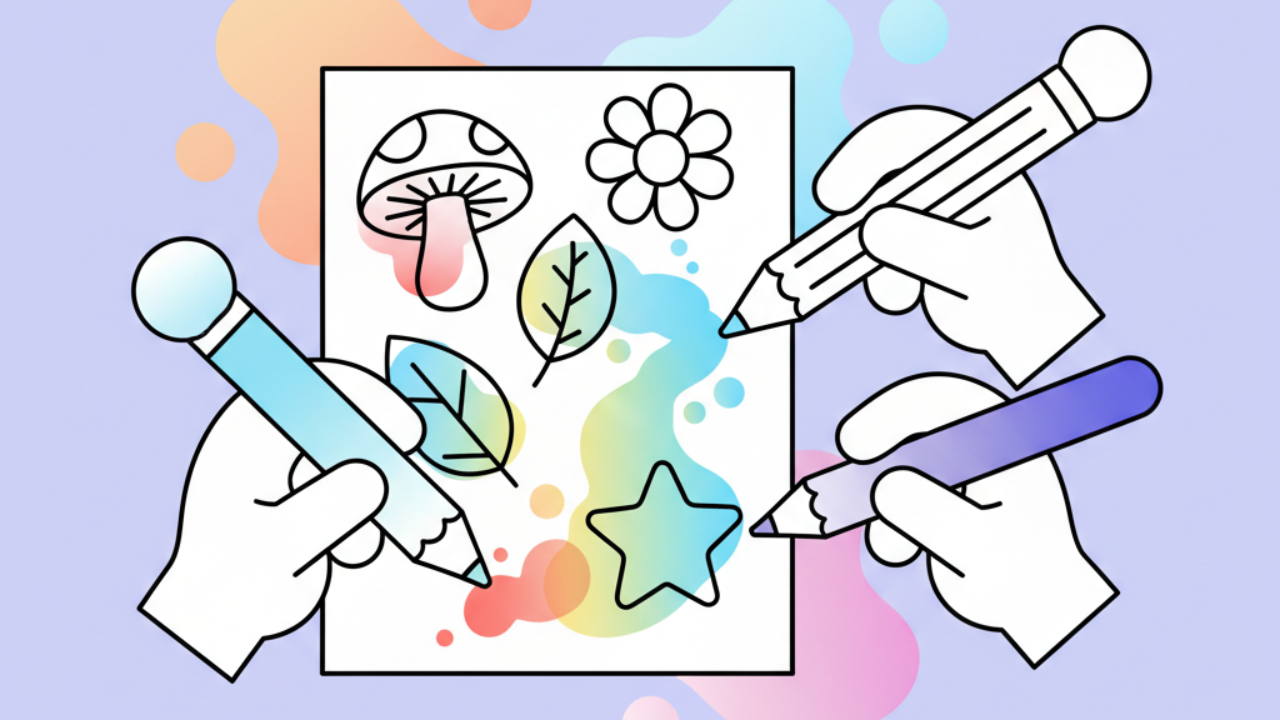
Discover how to use watercolor pencils on your printable coloring pages. Learn cool techniques to create stunning effects and let your creativity run wild at Desenhando e Colorindo. 🎨✨
Switching from standard colored pencils to watercolor pencils opens a whole new world of creative possibilities at Desenhando e Colorindo. If you've already downloaded your free printable coloring pages, you know the fun starts with picking a palette, but the technique you use can turn a simple activity into a true frame-worthy masterpiece. The secret of these pencils lies in their water-soluble binder, which allows the pigment to spread like paint once applied.
Choosing the Best Paper for Watercolor Drawings
Before applying a single drop of water to your coloring pages, it’s crucial to check the paper weight. Standard office paper is usually 75gsm (20lb), which is too thin for wet techniques and might buckle or tear. For a professional result on your cute drawings, we recommend printing the art on paper that is at least 180gsm or 240gsm (around 90-110lb cardstock).
Texture and Absorption
Watercolor paper can be cold-pressed (textured) or hot-pressed (smooth). For beginners using kids' line art, smooth paper helps keep the original black outlines sharp, while textured paper offers interesting visual effects, especially for landscapes, skin tones, or animal fur.
The Dry Application and Wetting Technique
This is the most popular technique for those who love coloring activities with precision. You start by coloring the drawing normally, controlling the color intensity through hand pressure. The more pigment you lay down on the paper, the more vibrant the final color will be after activating it with water.
Using the Brush
After filling in the desired areas, use a slightly damp brush. Use gentle strokes, following the shape of the object you're painting. At Desenhando e Colorindo, we suggest starting with the lightest areas to prevent dark colors from taking over, maintaining the color harmony of your printed digital coloring book.
Pro Tip: Always keep a paper towel nearby to dab off excess water from your brush before touching the paper. Moisture control is the key to preventing unwanted bleeds outside the lines.
Picking Up Pigment Directly from the Tip
An advanced way to use your tools for educational drawings is to wet the brush and touch it directly to the tip of the watercolor pencil. This allows you to load the bristles with a concentrated charge of pure paint, working exactly like a professional watercolor pan.
Advantages of Direct Loading
- Create perfect gradients from dark to light.
- Avoid visible pencil scratch marks on the paper.
- Ideal for tiny details where a dry pencil tip can't reach.
- Makes it easier to mix colors before they even touch the coloring page.
Online Coloring vs. Watercolor Pencils
While online coloring is a great way to plan your colors and test combinations, nothing beats the tactile experience of watercolor. By using the AI-generated drawings on our site, you can generate complex bases and then apply real textures that digital tools can rarely replicate with the same soul.
Smooth Transitions
One of the biggest challenges in printable art is making smooth transitions between opposite colors, like blue and orange. With watercolor pencils, you can apply both colors side-by-side and, with a wet brush, create a neutral and soft transition zone, elevating the aesthetic level of your handwork.
Complementary Materials and Tools
Besides pencils and brushes, other items can help your creative journey at Desenhando e Colorindo. Having a varied set allows you to explore different styles of line art, from minimalist to highly detailed.
- Water Brushes: Brushes with a built-in water reservoir, perfect for coloring on the go.
- Palette (Mixing Tray): To mix different pigment colors taken from the pencils.
- Masking Tape: To secure the edges of the paper to the table and prevent it from curling while drying.
- Waterproof Fineliners: To touch up outlines after the paint is completely dry.
Texture Effects with Salt and Sponges
For those looking to go beyond the basics with printable coloring pages, you can use household items. Fine salt sprinkled over wet paint creates a "starry" or grainy effect, perfect for galaxy backgrounds or snow. Kitchen sponges can be used to create foliage textures on trees quickly and organically.
Layering (Glazing)
The layering technique involves waiting for one color to dry completely before applying another on top. This creates a depth that regular colored pencils can't achieve, allowing light to pass through the pigment layers, resulting in vibrant and luminous coloring pages.
Frequently Asked Questions
Can I use watercolor pencils on any drawing from the site?
Yes, all our drawings are compatible. The deciding factor for success isn't the drawing itself, but the quality of the paper you print on and your printer—which should use water-resistant ink (preferably laser or pigment-based inkjet).
What is the difference between regular and watercolor pencils?
Regular pencils use wax or oil, which repels water. Watercolor pencils have a water-soluble core that dissolves, allowing the solid stroke to turn into fluid paint, making it easier to cover large areas without pressure marks.
Can kids use this technique for coloring activities?
Absolutely! It’s a fantastic way to introduce color theory and fine motor skills. We recommend soft-bristled brushes and guidance to avoid soaking the paper, making learning fun and educational.
Should I dip the pencil into a glass of water?
It’s not recommended to soak the pencil body in water, as the wood can swell and crack, damaging the lead inside. The correct way is to apply the pencil dry and then use a damp brush on the paper, or collect pigment from the tip with the brush.
Conclusion and Call to Action
Mastering watercolor pencils takes a little practice, but the result is rewarding and relaxing. Now that you know these fundamental techniques, why not put them to the test? Visit our full gallery at Desenhando e Colorindo today, pick your favorite themes, and print for free from an amazing variety of art. Let your imagination run wild, grab your brushes, and turn every page into a colorful masterpiece today!
Escrito e revisado por Armando Amaro
Fundador do Desenhando e Colorindo. Todo artigo passa por curadoria e revisão humana antes de ser publicado.