Best Painting Techniques for Kids' Line Art Coloring
29 de setembro de 2026
Discover the best coloring techniques for kids' line art! Learn how to use pencils, crayons, and paints on your free printable coloring pages. 🎨✨
Exploring the World of Color in Kids' Line Art
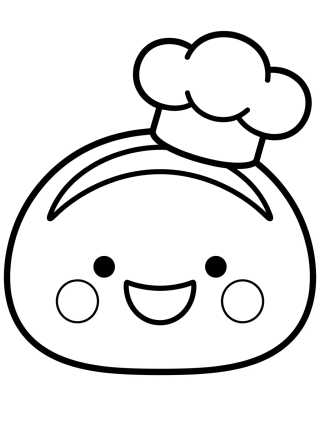
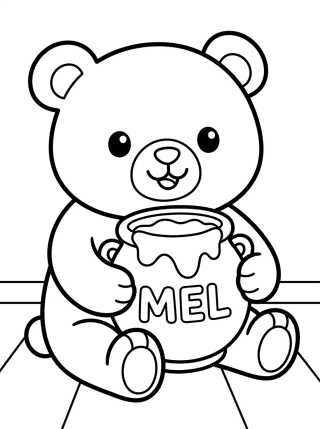
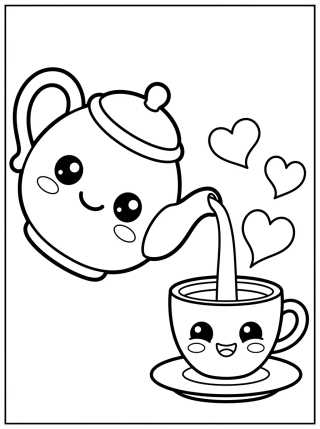
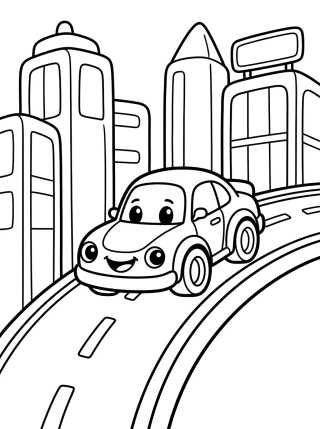
Coloring is one of the most rewarding activities for developing creativity and fine motor skills. When we download free printable coloring pages, we open up a world of possibilities to experiment with different materials and artistic approaches. Kids' line art, with its bold outlines and wide spaces, is the perfect stage for testing techniques that turn a simple sheet of paper into a vibrant masterpiece.
As we enjoy the colorful transition of the seasons, there's nothing better than gathering the family to practice painting. Whether you're a parent looking for educational activities or a digital coloring book enthusiast, understanding how to apply color makes all the difference in the final result. Let’s dive into the techniques that take playtime and learning to the next level. 🎨
Choosing the Paper and Preparing Your Base
Before you start painting, the quality of your surface is key. If you’re using a home printer for your printable coloring pages, the paper weight directly affects ink absorption and pencil pressure. For wet techniques like watercolor, thicker paper (above 30lb/120g) is essential to keep the sheet from warping or tearing during the creative process.
Setting up your space matters too. A flat, clean, and well-lit surface ensures kids can see every detail of the kids' line art. Also, keeping a scrap piece of paper nearby to test color combos prevents permanent mistakes on your main art. Staying organized helps keep the focus on fun and precision, turning coloring into a moment of deep relaxation. ✨
Mastering Colored Pencils: Gradients and Layering
Colored pencils are undoubtedly the most popular tool for educational drawings. However, few people tap into their full potential. One of the most effective techniques is "layering." Instead of pressing down hard to get a dark color, it's better to apply several light layers. This creates a smooth texture and lets you blend different shades, creating custom colors and depth.
Another essential skill is the gradient. To make a perfect gradient in your cute drawings, start with firm pressure at one end and gradually lighten your touch as you move toward the center. This technique is wonderful for coloring skies, flower petals, or animal fur, giving a 3D look to flat illustrations. Patience is the secret to a professional finish on paper.
Hatching and Texture Techniques
Hatching involves making small parallel or crossed lines to fill areas. This technique is excellent for adding texture to a character's clothes or tree trunks in nature coloring pages. Depending on how close the lines are, you can create lighter or darker shadows, adding a unique artistic touch that goes beyond traditional solid filling.
Pro Tip: Try coloring in tiny, almost invisible circles rather than back-and-forth strokes. This eliminates "streak" marks and gives your painting a velvety, uniform look across the whole page.
Exploring the Fluidity of Crayons
Crayons are a favorite for younger kids because they’re easy to grip and provide vibrant colors fast. But adults and older kids can benefit too by using the "sgraffito" or scraping technique. Paint a colorful layer, cover it entirely with black crayon, and then use a toothpick to scratch out patterns, revealing the colors underneath. It’s a playful way to interact with free printable coloring pages.
For a more artistic finish, crayons can be lightly warmed or smudged with a cotton ball. This softens the strokes and allows for smoother color transitions. It’s a great way to work on large background areas in free drawings, saving time and creating a striking visual effect that appeals to all ages. 🖍️
Introduction to Paints and Watercolors
Many people are hesitant to use paint on coloring activities printed at home, but with the right care, the result is stunning. Student-grade watercolors or diluted gouache allow for transparency that won't hide the black lines of the kids' line art. The secret is to use as little water as possible so you don't damage standard printer paper.
When working with paints, always start from the lightest colors and move to the darkest. This allows you to correct small mistakes and keep the art bright. Liquid painting encourages experimentation and helps teach color theory in practice—watching blue and yellow turn into green right on the page of your favorite educational drawings.
Benefits of Different Painting Tools
Each material offers a different sensory experience and develops specific skills. Varying tools keeps kids interested and expands the artistic range of adults using coloring for kids as therapy. Check out the main advantages of each choice:
- Colored Pencils: Great for precision, tiny details, and fine motor control.
- Crayons: Ideal for fast filling, sensory exploration, and building hand strength.
- Markers: Perfect for outlines, highlights, and extremely saturated, modern colors.
- Watercolor: Excellent for practicing patience, color mixing, and light/shadow perception.
- Watercolor Pencils: Combines pencil precision with the versatility of liquid paint once water is added.
Advanced Tips for Coloring Line Art
For those who have mastered the basics, the next step is understanding the light source. Decide where the sun or a lamp is coming from in your coloring page and keep the colors lighter on that side, adding shadows (darker or complementary colors) on the opposite side. This creates volume and makes the character look like they’re popping off the page.
Another tip is using white gel pens or liquid white-out to add highlights to eyes, cheeks, or reflections on metallic and wet surfaces. These tiny details are what separate a standard coloring job from a masterfully finished piece of kids' line art. Remember, the main goal is fun, so don't be afraid to make mistakes and try unusual color combos!
How to Choose the Right Colors
Using a color wheel can really help when picking shades for your AI drawings or hand-drawn art. Analogous colors (neighbors on the wheel) create harmony and calm, while complementary colors (opposites) generate contrast and energy. Try using cool tones for the background and warm tones for the main character to make them stand out instantly on the coloring page. 🌈
The Shift to Online and Digital Coloring
Beyond paper, online coloring has gained a lot of popularity. Digital tools let you experiment with infinite colors without worrying about wasting materials. Many sites, like Desenhando e Colorindo, offer options to paint directly in your browser or download a digital coloring book for tablets and styluses. This is perfect for travel or times when you don't have access to physical paints and paper.
Recommended Supplies for Beginners
If you're just starting your journey into printable art, having a well-chosen basic kit is the first step to success. You don't need to spend a lot to get great results on your printable coloring pages:
- A pack of colored pencils with at least 12 basic colors.
- A high-quality sharpener that won't break the leads.
- A soft eraser that doesn't smudge the paper.
- Non-toxic crayons for large areas.
- A fine-tip black pen to touch up outlines if needed.
- A clipboard or firm surface to color anywhere.
Frequently Asked Questions
What is the best technique for toddlers?
For early childhood, jumbo crayons or finger paints are the best options. They are easier to grip and let the child explore the kids' line art space without the frustration of needing extreme precision, focusing instead on discovering colors.
How do I stop markers from bleeding through the paper?
When using markers on free printable coloring pages, always place a scrap piece of paper or cardboard underneath the page. This prevents the ink from soaking through and staining the table or the drawing underneath, keeping your work clean.
Can I mix colored pencils and crayons?
Absolutely! This is called mixed media. You can use crayons for large background areas and colored pencils for the character's smaller details. The contrast between textures creates a very interesting and rich visual effect in your educational drawings.
Where can I find the best drawings to print?
At Desenhando e Colorindo, you’ll find thousands of free printable coloring pages organized by categories like animals, nature, and characters, ensuring plenty of fun and quality material to practice all these techniques.
Conclusion
Mastering painting techniques is a continuous process of experimentation and joy. By applying gradients, hatching, or simply exploring online coloring, you turn every piece of kids' line art into an expression of personality. The secret is to practice regularly and not be afraid to be bold with your combinations. Now that you know the best ways to bring lines to life, why not start right now? Browse our site, pick your favorites among our free printable coloring pages, and start creating your masterpieces today! 🎨✨
Escrito e revisado por Armando Amaro
Fundador do Desenhando e Colorindo. Todo artigo passa por curadoria e revisão humana antes de ser publicado.