Easy Watercolor Painting Guide for Kids: Step-by-Step Tips
16 de setembro de 2026
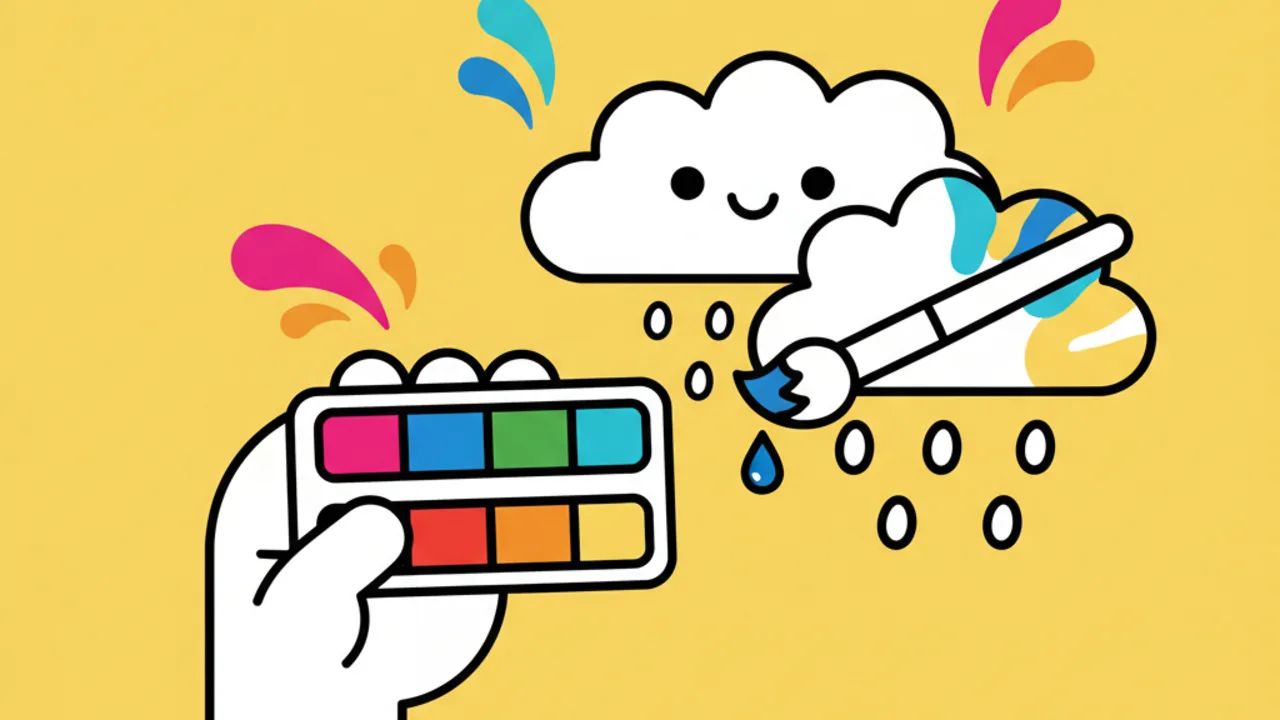
Learn how to use school watercolor sets on your coloring pages! A fun, easy guide for kids and beginners to create amazing art at Desenhando e Colorindo.
Why choose watercolors for your coloring pages?
Watercoloring is one of the most fascinating ways to bring your free printable coloring pages to life. Unlike traditional colored pencils, watercolors allow you to create smooth gradients, vibrant color blends, and transparency effects that turn any kids' line art into a true masterpiece.
As we head into the season of bright colors and sunny days, it's the perfect time to print drawings of flowers, gardens, and animals from Desenhando e Colorindo to test this fluid and fun technique. School-grade watercolors are affordable, easy to clean, and great for boosting children's fine motor skills.
Plus, painting with water brings a sense of calm and focus. By applying layers of paint to the coloring sheets, little ones learn about patience and control, watching how the pigment spreads across the paper. It's an educational and artistic activity that goes far beyond just filling in spaces.
Pro Tip: To prevent the paper from wrinkling when using water, try printing your drawings on thicker paper, like 65lb or 110lb cardstock, which handles watercolor moisture much better.
Materials needed to get started
Before diving in with your brushes, it's important to organize your workspace. The best part about school watercolors is that you probably already have most items at home or in a school backpack. To get the best results on your educational drawings, check out this basic list.
Essential Painting Kit
- School watercolor set (pans or tubes).
- Brushes of different sizes (a medium round brush and a fine one for details).
- A cup of clean water to wash the brushes.
- Paper towels or an old cloth to blot excess moisture.
- Coloring pages printed on sturdy paper.
- Masking tape to secure the paper to the table (optional, but helps keep the sheet flat).
Remember that brush quality affects your strokes. Soft-bristle brushes are ideal for watercolor because they hold more water and glide smoothly over the printed digital coloring book pages. If you are using AI-generated drawings from our site, you'll notice the lines are crisp, which really helps define the painting areas.
Preparing the paper and environment
Getting organized is the first step to a successful painting session. Protect your table with a plastic tablecloth or newspaper, as watercolors can splash. Pick your favorite cute drawings on our site and get them printed. If you're using standard printer paper (20lb bond), use as little water as possible to avoid tearing the sheet.
A popular artist trick is taping the edges of the drawing to the table with masking tape. This creates a natural white border at the end and prevents the page from warping while it dries. With the setup ready, kids will feel like real artists in a studio, increasing their engagement with these coloring activities.
Step 1: The "Wet on Dry" Technique
The most common technique for beginners in printable arts is wet on dry. This involves loading the brush with wet paint and applying it directly onto dry paper. This gives you more control over where the color goes, making it ideal for filling in characters and specific shapes in the free drawings we provide.
Start with the larger areas of the drawing. Dip your brush in water, swirl it in your chosen color, and use gentle strokes. If the color looks too dark, add a bit more water to the brush to dilute the pigment. This versatility is what makes coloring for kids such a rich experience.
Tips for even coverage
To avoid harsh edges, try to keep the "puddle" of paint moving. Don't let the paint dry in one spot before finishing the entire section. If you're painting a sky on one of our printable coloring pages, work quickly using long, horizontal strokes.
Step 2: Creating gradients and color mixing
The magic of watercolor happens in the mix. You don't need a 50-color set; with just primary colors, you can create a whole rainbow. Teach kids to mix blue and yellow to get the perfect green for the trees in our nature section. Experimenting with these blends on children's line art is a hands-on lesson in color theory.
To create a gradient (the effect of a color fading away or changing into another), start with very concentrated paint on one side and gradually add only water as you move across the drawing. This effect looks beautiful on princess dresses or ocean backgrounds in the online coloring pages you choose to print.
Practical Tip: If you picked the wrong color or used too much water, take a dry paper towel and press it lightly onto the spot. This "lifting" technique removes the excess so you can start the area over.
Step 3: Details and finishing touches
Once the large areas are dry, it’s time for the details. Use your thinnest brush and less water for precise lines. This is when you define the characters' eyes, tiny flowers, or skin textures on the educational sheets. Patience is key here: never try to paint fine details over a base that is still wet, or the paint will bleed and blur the drawing.
Many kids love to outline the drawing after painting. You can use a black marker or a gel pen once the watercolor is completely dry. This gives the original line art an extra pop, making the final result look professional.
Caring for brushes and materials
Teaching kids to care for their supplies is part of the learning process. After finishing your free printable coloring drawings, wash the brushes under running water, reshape the bristles with your fingers, and let them dry flat. Never store wet brushes in closed cases, as this can damage the bristles and cause mold.
Clean the color palette too. If there's dried paint on the pans, no worries—watercolor reactivates with water the next time you use it. Keeping everything organized ensures the next kids' coloring session is just as fun as the first.
Exploring themes at Desenhando e Colorindo
Our site offers a vast library of themes that pair perfectly with watercolors. From detailed animals to complex landscapes, there are options for every skill level. Watercolor allows every printout to be unique, as water never behaves exactly the same way twice.
Watercolor theme suggestions
- Nature: Landscapes with mountains, rivers, and forests allow for exploring greens and blues.
- Outer Space: Use shades of purple and black with the splattering technique to create stars.
- Cute Characters: Ideal for practicing soft shading with pastel tones.
- Geometric Designs: Great for practicing brush control within the lines.
Regardless of the theme, the main goal is to have fun. Don't worry about perfection; in watercolor, the "imperfections" and water blooms are part of the piece's artistic charm.
Frequently Asked Questions
Can I use watercolor on regular printer paper?
Yes, you can, but regular paper (20lb) tends to wrinkle or tear if you use too much water. The trick is to use quick strokes and very little moisture, or print the drawing on 65lb cardstock or higher.
How do I make the colors more vibrant?
For bolder colors, use less water and more pigment from the pan. Work in layers: paint once, let it dry, and paint over it with the same color to intensify the tone on your coloring page.
Does school watercolor wash out of clothes?
Generally, yes—most school-grade watercolors are washable. However, it's always recommended to use an apron or old clothes during the activity to avoid permanent stains on delicate fabrics.
Can I mix colored pencils with watercolor?
Absolutely! This is called mixed media. You can do the base layer in watercolor and, once dry, use colored pencils to create textures, deeper shadows, or define outlines on your printable drawings.
Conclusion
Painting with watercolors is a journey of discovery and creativity for kids and adults alike. By using the free printable coloring pages from Desenhando e Colorindo, you have endless opportunities to practice this wonderful technique. Remember to explore our categories, pick your favorite designs, and get your brushes ready. Visit our gallery now, choose your favorite art, and start printing to create amazing paintings today!
Escrito e revisado por Armando Amaro
Fundador do Desenhando e Colorindo. Todo artigo passa por curadoria e revisão humana antes de ser publicado.