Best Watercolor Techniques for Printing Coloring Pages on Regular Paper
25 de agosto de 2026

Discover amazing watercolor techniques for painting your favorite coloring pages on standard printer paper. Level up your art with these practical and creative tips! 🎨
Essential Prep for Watercolor on Thin Paper
Many fans of Desenhando e Colorindo believe that professional 300g paper is a must-have for watercolors. However, with the right technique, you can turn your free printable coloring pages made on standard printer paper (20lb or 24lb) into true masterpieces. The main secret lies in moisture control and sheet preparation.
Before you start applying pigment, it's vital to tape your drawing down to a hard surface, like a clipboard or a desk, using masking tape on all edges. This helps minimize the natural buckling of the paper when it meets water. In late summer, when the air is drier, the paint tends to dry faster, so you’ll need to be quick with your brushwork.
Besides taping it down, your printer type matters. If you use an inkjet printer, the water might smudge the black outlines. A pro tip to avoid this is to apply a very light coat of matte fixative spray over the printed drawing before you start painting, ensuring your kids' line art stays crisp throughout the creative process.
Wet-on-Dry Technique: The Secret for Standard Paper
The safest way to paint coloring pages printed on regular paper is using the "wet on dry" layering technique. Unlike professional methods where you soak the paper first, here we work with a slightly damp brush directly onto the dry paper fibers. This prevents the water from saturating the page and causing unwanted tears or pilling.
Apply a first layer of very diluted, almost transparent color. Wait for it to dry completely before coming back with a second layer to intensify the tone or add shadows. This process requires patience, but it keeps the sheet's structural integrity. It’s a great educational activity to teach kids about waiting times and being gentle with art supplies.
For smaller areas and details in cute drawings, opt for fine-tipped synthetic brushes, which hold less water than natural hair brushes. This gives you total control over where the pigment goes, preventing the paint from bleeding outside the lines. Remember: on regular paper, less is always more when it comes to water volume.
Quick tip: Use a hair dryer on a cool setting to speed up the time between watercolor layers. This keeps your flow going and helps the paper stay flatter.
Recommended Materials for Professional Results at Home
To get the best results on your coloring activities, you don't need to spend a fortune. There are high-quality student-grade watercolor pans that offer vibrant pigment without needing a ton of water. Additionally, watercolor brush pens are incredible allies for beginners, as they offer much better flow control than traditional brushes.
- 24lb or 32lb Printer Paper: If possible, use a slightly heavier weight than standard office paper for better durability.
- Water Brushes: These make controlling water output easy, perfect for coloring on the go or outdoors.
- Masking Tape: Essential for stretching the paper and creating a clean white border around your art.
- Paper Towels: To constantly dab excess moisture off your brush.
- Watercolor Pencils: A great base to reinforce shadows after the first layer of paint has dried.
Mastering Highlights and Shadows on Printed Drawings
Depth in a digital coloring book printout comes from contrast. When using watercolor, always start with the lightest colors. On regular paper, it’s very hard to lighten an area that’s already too dark, as using too much water to "scrub" pigment can damage the surface. Let the white of the paper act as the brightest highlights of your piece.
For shadows, don't just reach for black. Try mixing a little dark blue or purple into the object's base color. For example, if you're painting a lawn in a nature scene, use dark green mixed with a touch of brown for the shaded areas. This creates much more visual richness in your educational drawings, stimulating color perception in both kids and adults.
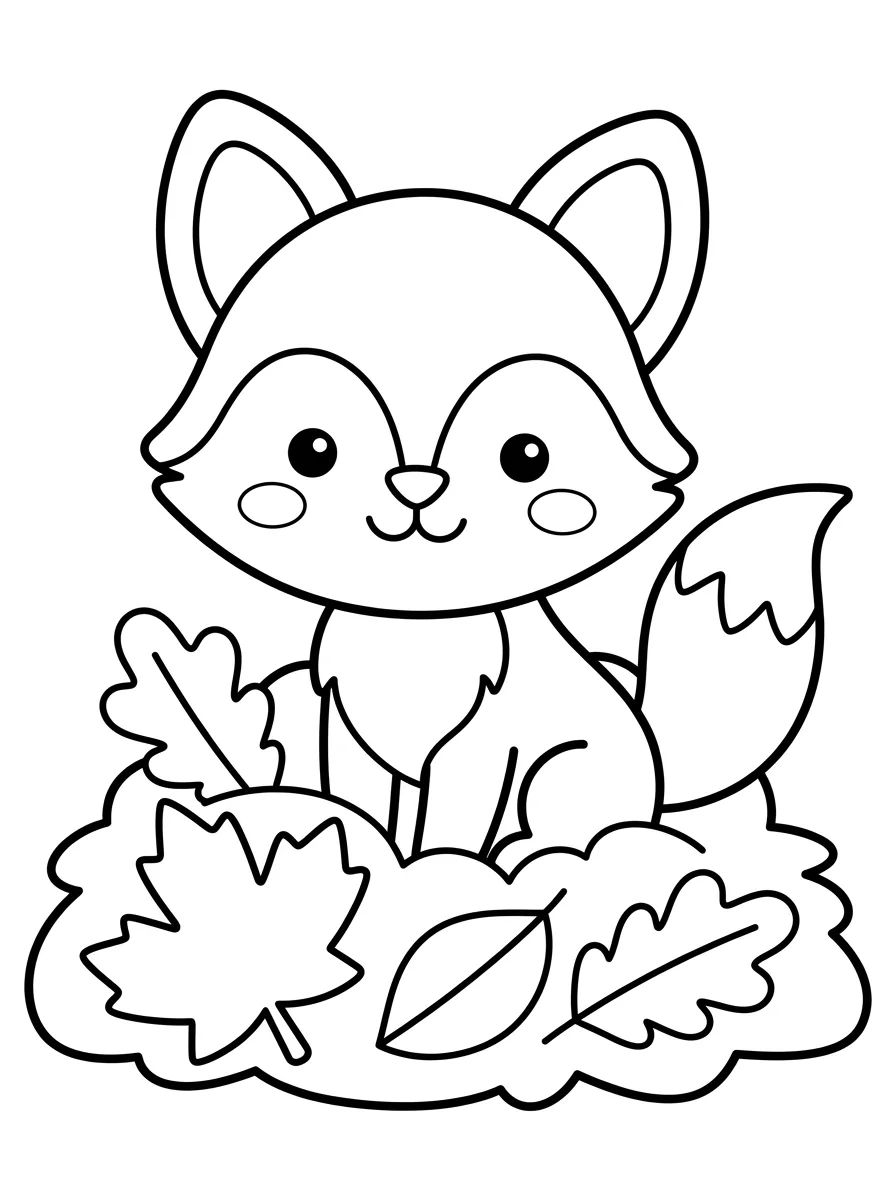
If you are using AI-generated drawings from our site, you’ll notice the details can be quite intricate. In these cases, the "dry brush" technique is phenomenal for creating fur textures on animals or foliage on trees, giving a professional look to your home prints.
Exploring Creativity with Color Mixing
Watercolor is the art of transparency. At Desenhando e Colorindo, we encourage experimentation. Instead of using color straight from the pan, use a palette (or a white ceramic plate) to create new shades. Mixing yellow with a touch of red will result in vibrant oranges for a sunset—perfect for late-day themes.
Tips for Harmonious Mixing:
- Primary Colors: Focus on mastering blue, red, and yellow; all other colors are born from them.
- Controlled Dilution: Test the color on a scrap piece of paper before applying it to your final drawing.
- Avoid Over-mixing: Mixing too many colors at once can result in muddy or grayish tones.
- Using White: In traditional watercolor, the paper is the white, but a white gel pen can be used for final glints in eyes or water reflections.
Caring for and Preserving Your Watercolor Art
After finishing your printable art, it’s crucial to let the drawing dry completely on the board before removing the tape. If you pull it off while the paper is still damp, it will definitely curl. A preservation tip: once fully dry, place the drawing inside a heavy book for 24 hours so it stays perfectly flat.
Since printer paper isn't acid-free, colors might fade over time if exposed to direct sunlight. If you plan to frame a child's work or a special coloring page for kids, keep it in a protected spot or use UV-protective glass. This ensures the fun and effort put into the painting lasts for years as a keepsake.
Frequently Asked Questions
Can I use watercolor on any printer paper?
Yes, you can, but papers with a weight of 24lb (90g) or higher offer much better results, as they resist the warping caused by water better than standard 20lb paper.
What do I do if the printer ink smudges?
Ideally, use laser printers, as their toners are water-resistant. If using an inkjet, let the printed drawing dry for 24 hours before painting, or apply a light coat of matte spray varnish.
How do I prevent the paper from tearing when fixing mistakes?
With watercolor on regular paper, avoid trying to "erase" with water. If you make a mistake, blot the excess immediately with a dry paper towel, pressing gently without rubbing the paper fibers.
Can young children practice this technique?
Absolutely! Watercolor is an excellent tool for developing fine motor skills. We recommend water brushes for kids, as they minimize the mess associated with open water cups.
Conclusion
Mastering watercolor on regular paper opens up a world of possibilities for anyone who loves the free printable coloring pages at Desenhando e Colorindo. With patience and these moisture-control techniques, you can turn simple sheets of paper into frame-worthy paintings. Now that you know the secrets to a perfect finish, why not pick your favorite category on our site, grab your paints, and start now? Let your imagination run wild, print your favorite templates, and have fun creating amazing art!
Escrito e revisado por Armando Amaro
Fundador do Desenhando e Colorindo. Todo artigo passa por curadoria e revisão humana antes de ser publicado.