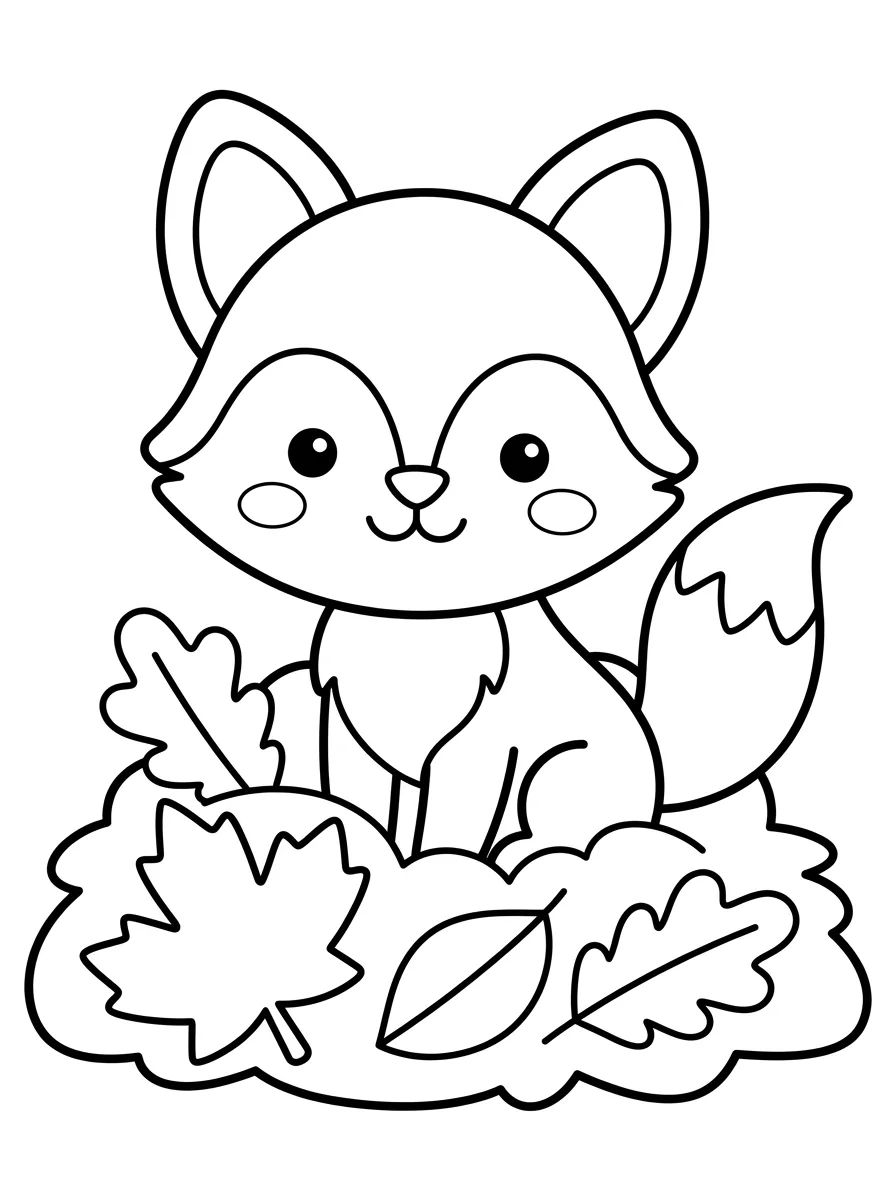
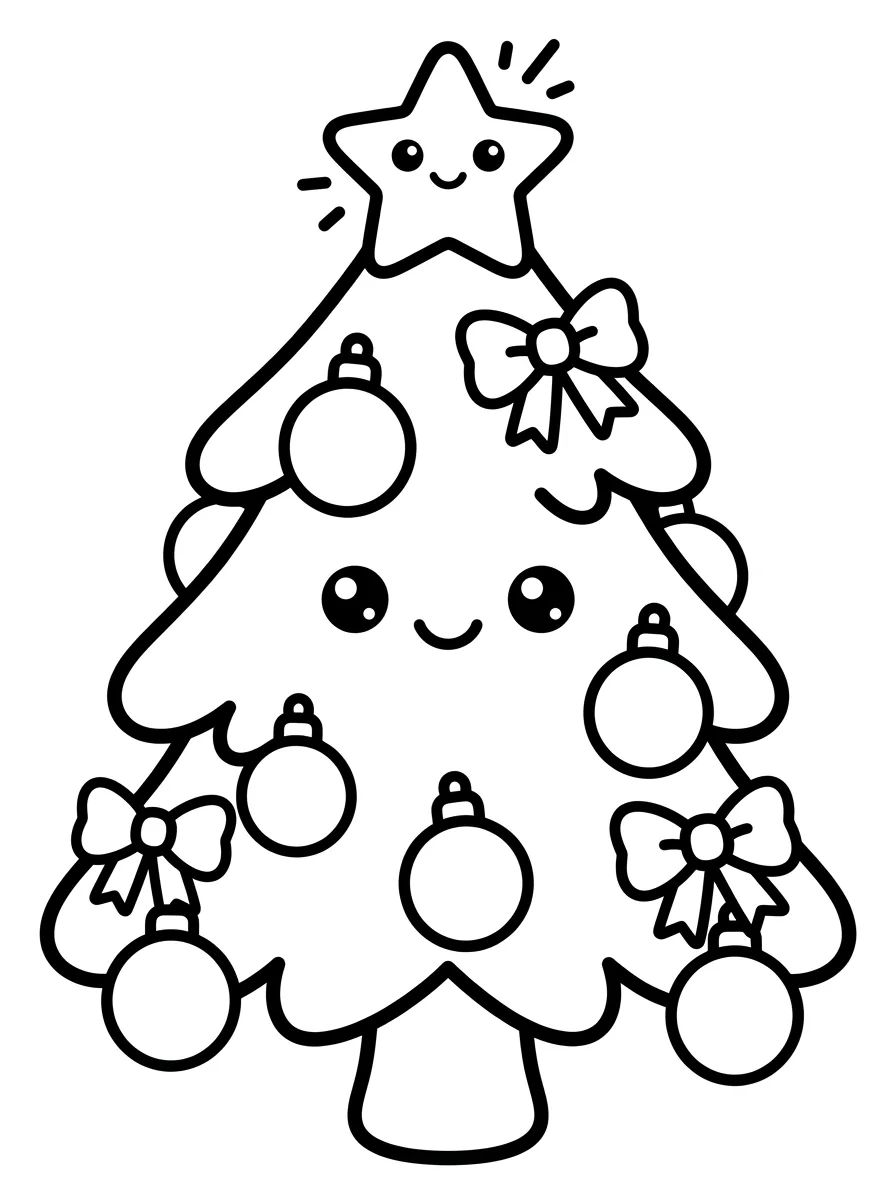
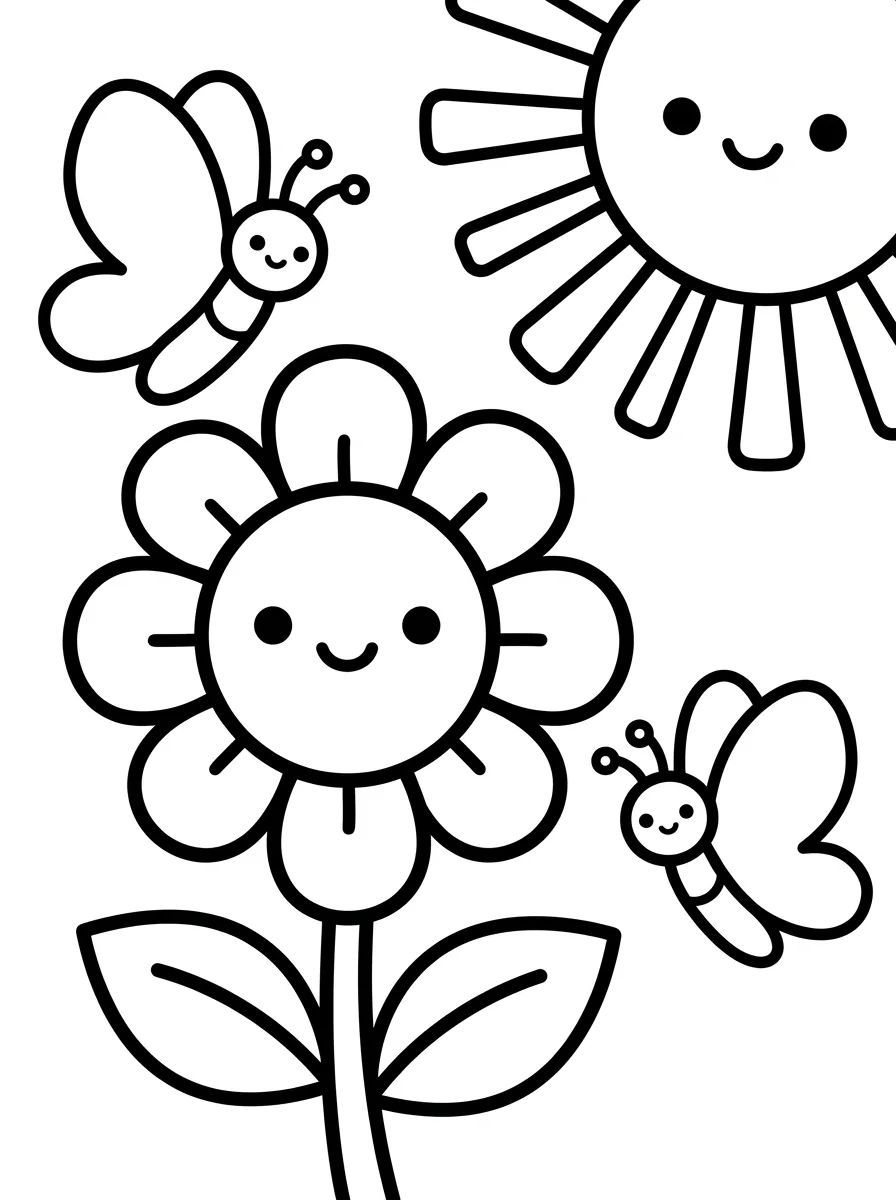
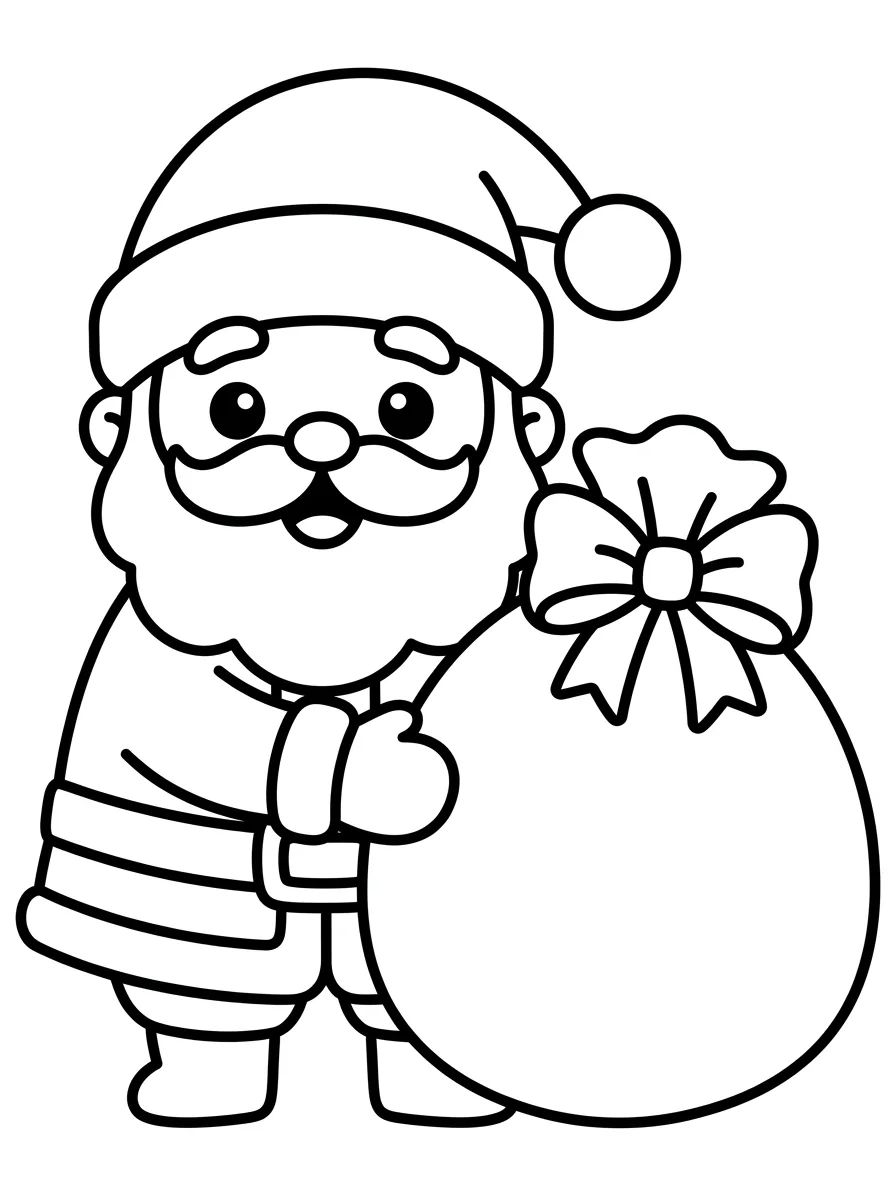
Coloring Complex Line Art: A Practical Guide to Color Theory
25 de agosto de 2026
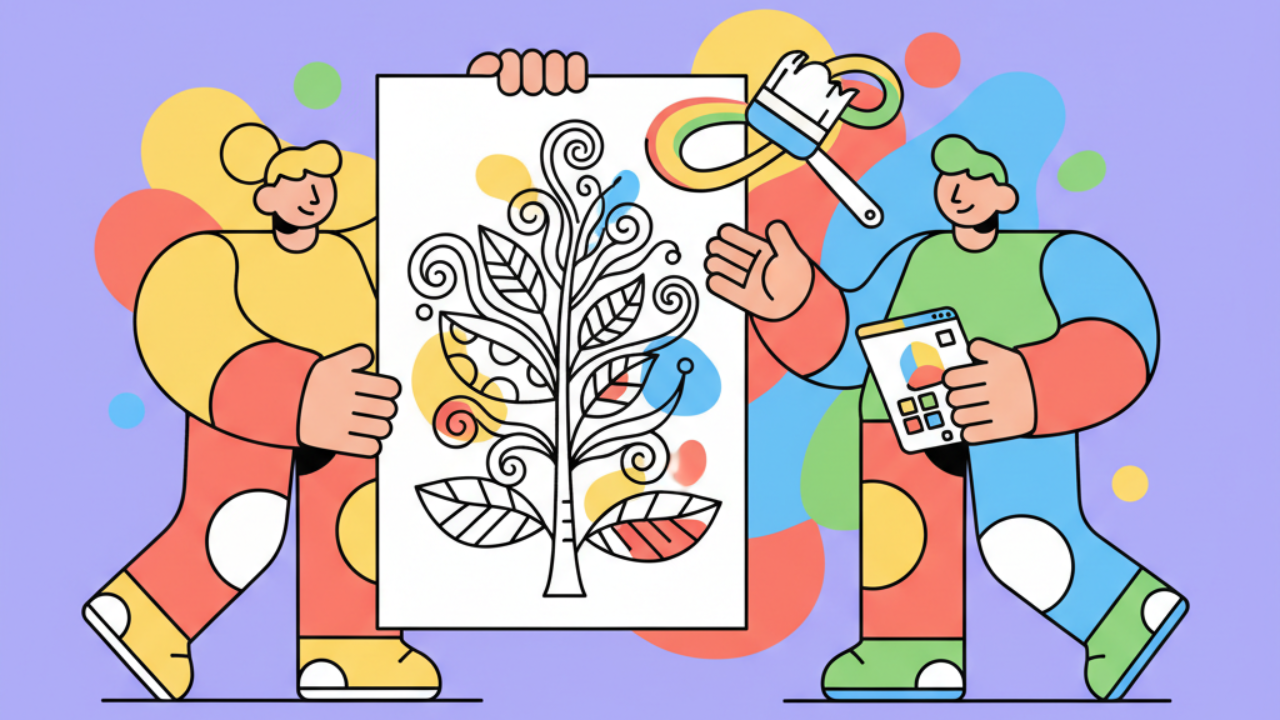
Learn how to choose the perfect palette for your coloring pages! Master color combinations for complex line art and take your artwork to the next level. 🎨
Mastering the art of filling coloring pages with intricate details takes more than just patience; it requires a solid understanding of how colors interact. Throughout the year, especially during peak school seasons, many fans of free printable coloring pages look for ways to level up their techniques, turning simple or complex line art into true digital or physical masterpieces.
Understanding the Color Wheel in Drawing and Painting
The first step for anyone looking to upgrade their coloring activities is getting to know the color wheel. This tool is essential for picking shades that harmonize visually, preventing the drawing from looking messy or overwhelming, especially in art with many tiny elements.
Primary colors (blue, red, and yellow) serve as your base, but the magic happens in the mixes. When working on a digital coloring book or a printed sheet, understanding complementary colors—those opposite each other on the wheel—can help make specific focal points pop in your line art.
For those who prefer cute drawings with lots of details, analogous colors (neighbors on the wheel) create a smooth, relaxing transition. Try using variations of green and blue to color landscapes or nature elements, ensuring a professional and balanced result.
Monochromatic Harmony for Beginners
If you are just starting to explore the educational drawings here at Desenhando e Colorindo, a safe technique is monochromatic coloring. Choose a single color and use different pencil pressures or digital brush opacities to create light and shadow. This adds depth without the headache of matching multiple pigments.
Contrast Tips for Detailed Line Art
When dealing with coloring sheets that have very fine lines and dense areas, contrast is your best friend. Without it, details can get lost. The secret is alternating between light and dark tones to define the internal edges of the illustration.
Use vibrant colors in small areas you want to highlight and save pastel or neutral tones for the background. This creates a visual hierarchy, guiding the viewer's eye through the finished art. It’s a technique widely used in high-complexity printable art.
Pro Tip: Before you start painting your final sheet, do a small color test in the corner of the paper or on a separate scrap. See how the pencil reacts to the paper's texture to avoid unwanted smudges on your main piece.
Color Psychology in Coloring Activities
Colors evoke emotions. When choosing your palette for kids' coloring or adult relaxation, think about the visual message you want to send. Warm tones like orange and yellow bring energy and joy, perfect for sun, flowers, and dynamic characters.
On the other hand, cool tones like purple and cyan promote calm and focus. In coloring pages with geometric patterns or mandalas, these colors help with the therapeutic relaxation process. Desenhando e Colorindo offers various styles so you can experiment with these vibes.
Seasonal Palettes
Depending on the time of year, you can take inspiration from the changing seasons. Mix earthy tones with touches of pink and lilac to simulate nature blooming in your free printable coloring pages.
Gradient Techniques in Small Spaces
Painting complex line art often means dealing with tight spaces. A gradient is a technique of smooth transition between two or more colors. To achieve this effect with colored pencils, apply light, circular layers, gradually increasing the pressure.
- Always start with the lightest color in your palette.
- Overlap the medium color at the transition point.
- Finish with the darkest color on the edges to add volume.
- Use a white pencil or a "blender" to smooth out wax marks.
This technique is excellent for AI-generated drawings that feature rich textures and details, allowing the artist to highlight every tiny shadow in the composition.
Digital Tools vs. Traditional Materials
Online coloring has gained a lot of ground recently. Digital tools allow you to test infinite color combinations with the ease of the "undo" command. However, the tactile experience of using printable art is still a favorite for developing fine motor skills in children.
Regardless of the medium, Desenhando e Colorindo provides the perfect base. If you use a tablet, you can import our kids' line art and use multiply layers to paint under the black lines, keeping the drawing crisp and clean.
How to Choose the Ideal Palette: Step-by-Step
We often get stuck when facing a blank drawing. To avoid creative block, follow this simple roadmap to define your colors before touching the paper:
- Set the mood: Will it be a night scene (dark tones) or daytime (bright tones)?
- Pick a dominant color: Which color will take up 60% of the drawing?
- Choose two supporting colors: These should complement the dominant color.
- Add a pop of brightness: A contrasting color for tiny details.
Using Nature as a Reference
Look at photos of birds, flowers, or natural landscapes. Nature rarely gets color combinations wrong. You can apply the color scheme of a macaw, for example, to an abstract design or cute animal drawings for a vibrant, natural look.
The Role of White Space
Not every space on a coloring page needs to be filled with color. Strategic use of white (the paper itself) can serve as extreme highlights, giving shine to eyes, water droplets, or metallic surfaces.
In educational coloring activities, leaving light areas helps highlight the main shape of the object, making it easier for young children who are still learning about boundaries and outlines to understand the image.
Brain Benefits of Coloring
Painting printable coloring pages isn't just fun. Studies show that this activity reduces cortisol (the stress hormone) and improves brain plasticity. By focusing on color combinations for complex line art, you exercise both hemispheres of the brain simultaneously.
- Stimulates creativity and logic.
- Improves concentration during long tasks.
- Develops spatial perception.
- Provides a sense of accomplishment upon finishing the art.
That’s why Desenhando e Colorindo encourages parents and children to share this moment, making it a healthy and educational family practice.
Frequently Asked Questions
What is the best paper for printing detailed drawings?
For printable coloring pages with lots of details, we recommend paper weights above 120g (like heavy cardstock), which better handle multiple layers of color.
Can I use markers on complex line art?
Yes, but stick to fine-line markers. They are ideal for filling in small details in cute drawings without smudging or going over the original lines.
How do I color online without losing line quality?
When using online coloring or painting apps, make sure to download the high-resolution image from Desenhando e Colorindo. Use the "Multiply" blend mode on the image layer so the colors don't cover the black lines.
What are AI-generated coloring drawings?
These are coloring pages created by algorithms that generate unique and exclusive patterns. At Desenhando e Colorindo, we use this technology to offer art you won't find anywhere else, perfect for those seeking innovation.
Conclusion
Painting is a journey of discovery, and the right color combination is the compass that guides your creativity. By applying these techniques to our line art, you’ll see your drawings come to life with surprising depth. Don’t wait—start now: pick your favorite themes, enjoy our free printable coloring pages, and turn every sheet into a unique masterpiece. Let your imagination run wild with Desenhando e Colorindo!
Escrito e revisado por Armando Amaro
Fundador do Desenhando e Colorindo. Todo artigo passa por curadoria e revisão humana antes de ser publicado.