Beginner's Guide to Coloring Strokes and Techniques
21 de setembro de 2026
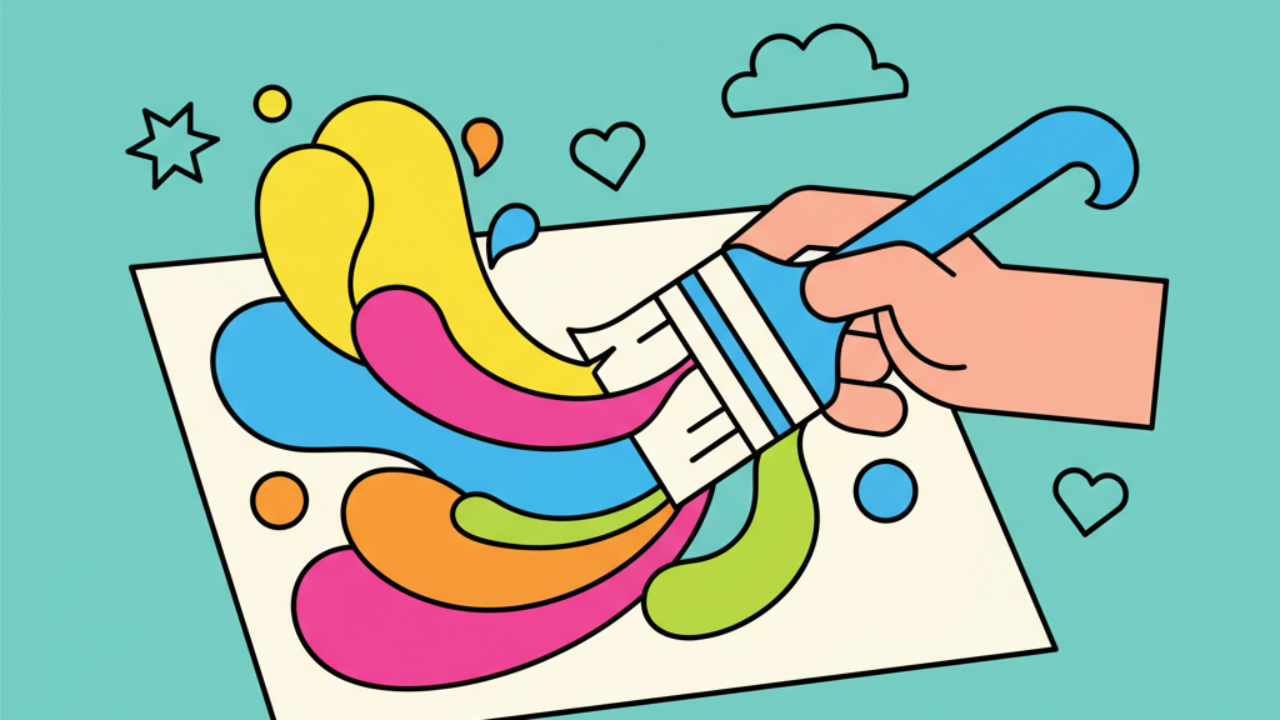
Master simple coloring strokes and bring your pages to life at Desenhando e Colorindo! Discover easy techniques to level up your art today. 🎨✨
Understanding the Importance of Stroke Control in Coloring Pages
For those just starting out in the world of coloring pages, the first tool we need to master isn't the color itself, but hand control. Your stroke is the foundation of any well-executed artwork. At Desenhando e Colorindo, we offer thousands of free printable coloring pages, but the final result depends heavily on how you apply the pencil to the paper.
Learning to control the pressure you exert on the page is the first step toward creating smooth gradients and seamless transitions. In September, with the milder weather, it's the perfect time to sit down and practice these kids' line art and adult coloring techniques, ensuring each character gains depth and life through precise, planned strokes.
When it comes to coloring activities, many beginners make the mistake of pressing the pencil too hard right away. This saturates the paper and prevents new layers of color from being added. The secret lies in a light touch and repetition, building the color layer by layer while respecting the lines of your educational drawing.
Essential Stroke Types for Beginners
There are different ways to fill in the white space on your printable coloring drawings. Each stroke technique produces a unique visual effect, so it's essential to know the variations to choose the one that best suits the theme, whether it's a cute animal or a complex nature landscape.
Hatching and Parallel Strokes
Hatching is a technique that uses parallel lines close to one another. The closer the lines are, the darker the area will be. This technique is excellent for those who enjoy a more artistic and rustic style in their digital coloring books printed at home. You can use simple hatching or cross-hatching to create deep shadows on character blankets or tree trunks.
Circulism or Circular Motions
This is undoubtedly the favorite technique of professional colorists for achieving a smooth texture. It consists of making small, overlapping, and very soft circles. This technique eliminates the scratch marks left by the pencil, resulting in a homogeneous finish. It is the ideal technique for coloring faces and skin in our cute drawings available for download.
Dashing and Pointillism
Although it requires more patience, short dashes and pointillism add incredible texture. Imagine coloring a field or grass drawing; small vertical strokes perfectly simulate vegetation, giving a much more professional look to your printable art.
Tools That Help You Achieve the Perfect Stroke
In addition to manual technique, the materials you use directly influence the quality of your strokes. At Desenhando e Colorindo, we encourage the use of various materials so you can discover which one best fits your coloring for kids or adults style.
- Watercolor pencils: Allow for soft strokes that can be blended with water, creating a fluid painting effect.
- Soft-core colored pencils (Wax-based): Excellent for the circulism technique, as they release pigment easily without needing much pressure.
- Fine tip pens (Fineliners): Great for reinforcing the original line art outlines before starting the internal coloring.
- Higher weight paper: Essential for handling multiple layers of strokes without tearing or marking the back.
Pro Tip: Before you start coloring your main drawing, use the back of the sheet or a blank margin to test your stroke pressure. Try creating a tonal scale from lightest to darkest with the same color.
How to Avoid Unwanted Marks on Your Printable Coloring Pages
One of the biggest challenges for those looking for free drawings to practice on is avoiding those white gaps or the "back-and-forth" streaks that clutter the image. To avoid this, always keep your pencil tip sharpened, but not so sharp that it scratches the paper like a needle.
Constantly change the direction of your stroke. If you started painting vertically, do a second layer diagonally and a third horizontally. This crossing of fibers fills the pores of the paper more effectively, ensuring a professional finish on any coloring page.
Hand Posture and Pencil Angle
For finer, detailed strokes, hold the pencil closer to the tip at a more vertical angle. To fill large areas smoothly, hold the pencil further back and use the side of the lead (the colored core). This distributes the pressure over a larger area and avoids deep marks that are impossible to erase or cover later.
Exercises to Improve Stroke Precision
Practice makes perfect, especially in coloring activities. We've put together some simple exercises you can do before starting your next project at Desenhando e Colorindo:
- Pressure Gradient: Draw small squares and try to fill them starting from an almost invisible stroke to maximum color saturation.
- Precision Outlining: Choose one of our kids' line art drawings and try to trace the pencil exactly over the black line without going off the edges.
- Texturizing: Try to imitate different textures (wood, stone, fabric) using only variations of short and long strokes.
These exercises help develop muscle memory, making the act of online coloring or paper coloring much more fluid and enjoyable.
Exploring Colors and Shadows with Directional Strokes
The direction of your stroke should follow the shape of the object you are painting. If you are coloring a ball, your strokes should be curved. If you are painting a straight wall, the strokes should be linear. This gives three-dimensional volume to your printable coloring sheets.
When applying shadows, use denser, closer strokes in areas where the light doesn't hit. Use analogous colors (those close to each other on the color wheel) to make these stroke transitions, mixing blue with purple, for example, to create richer shadows than just using black.
Using AI-Generated Drawings for Practice
Nowadays, AI-generated drawings offer complex patterns that are excellent for training precision. Since these images often have many small details, they force beginners to keep their strokes within tight limits, which is great training for fine motor coordination.
Frequently Asked Questions
How do I stop my strokes from looking streaky on the paper?
To avoid streaks, use the light circular motion technique and avoid applying excessive force. It's better to build color through several thin overlapping layers rather than a single heavy layer.
What is the best pencil for beginners to practice strokes?
Colored pencils with softer leads (like premium school-grade or professional sets) are the best, as they allow for greater control over tone without requiring you to press hard on the paper, making it easier to learn different stroke types.
Can I mix different stroke techniques in the same drawing?
Yes! In fact, it's recommended. You can use circulism for a character's skin and hatching for clothes or hair, creating interesting contrasts and giving more texture to your coloring pages.
How do I color large areas without leaving white spots?
The best way is to use cross-hatching in different directions (horizontal, vertical, and diagonal) and keep the pencil slightly tilted to use a larger area of the tip, filling the paper's pores evenly.
Conclusion
Mastering coloring strokes is a fun journey that transforms how you interact with your free printable coloring pages. With patience and practice of circulism, hatching, and pressure control techniques, your artwork will take on a much more professional and vibrant look. Don't be afraid to make mistakes and test new styles on every sheet you print. Now that you know the basics of the stroke, take the opportunity to choose your favorite art here at Desenhando e Colorindo, get your pencils ready, and start bringing your favorite drawings to life right now!
Escrito e revisado por Armando Amaro
Fundador do Desenhando e Colorindo. Todo artigo passa por curadoria e revisão humana antes de ser publicado.