Mastering Markers: How to Color Intricate Designs Without Bleeding
25 de agosto de 2026
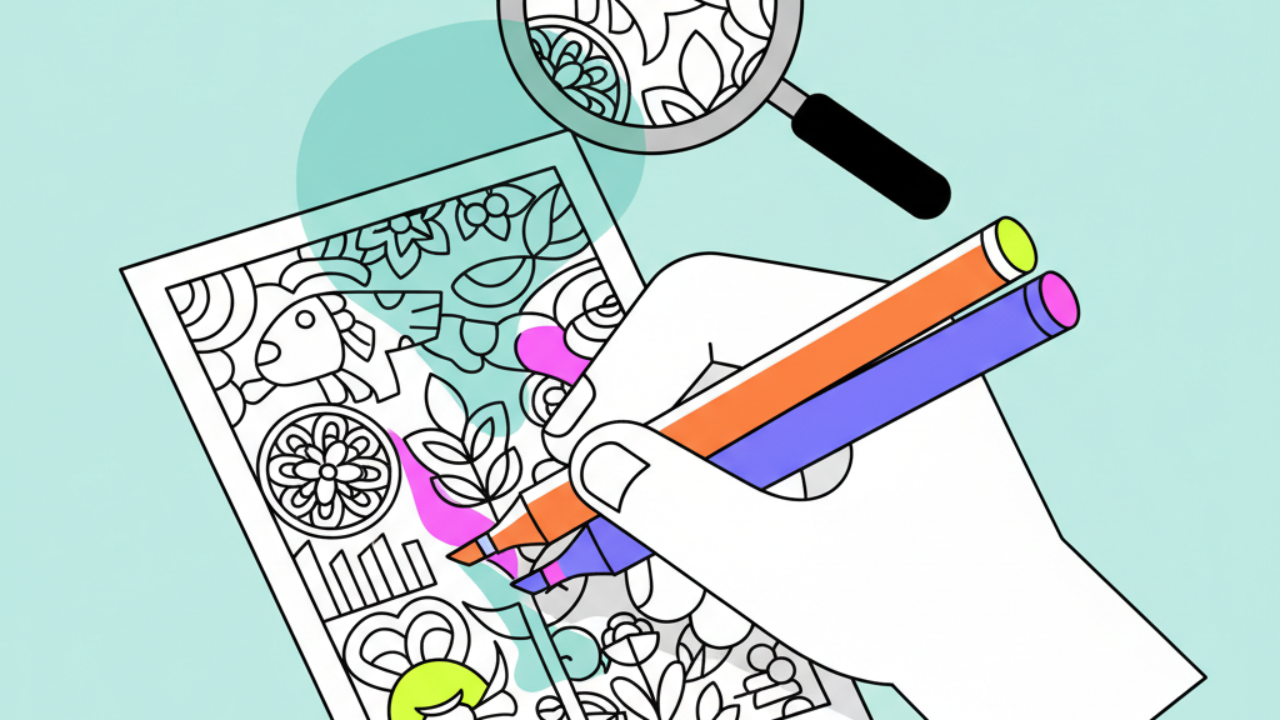
Learn how to color detailed pages with markers without smudging or bleeding through. Check out these essential tips for your Desenhando e Colorindo pages! 🎨
Choosing the Perfect Paper for Marker Coloring
One of the most important secrets for anyone looking for free printable coloring pages and wanting to use markers is the paper weight. Standard printer paper, usually 20lb (75g), is quite thin and absorbs ink quickly, which causes bleeding and ghosting on the back. To prevent ink from spreading outside the lines of your kids' line art, we recommend using paper with a weight of 60lb (120g) or higher.
When you print your coloring sheets on thicker cardstock, the fibers hold the marker moisture longer without letting it bleed through. This is essential for maintaining precision in small details, ensuring your artwork has a professional and clean finish without those unwanted blotches that can ruin the final result.
Pro tip: If you don't have thick paper at home, place a scrap sheet or a piece of cardboard under your coloring page before you start to prevent the ink from staining your desk or the next page.
Filling Techniques to Avoid Streaks and Blotches
How you move your marker across the page directly affects the look of your coloring. For educational drawings or more complex art, the 'circular motion' technique is best. Instead of making long, fast strokes, try filling spaces with small overlapping circles. This helps distribute the ink evenly, avoiding those 'back-and-forth' marker streaks that often show up.
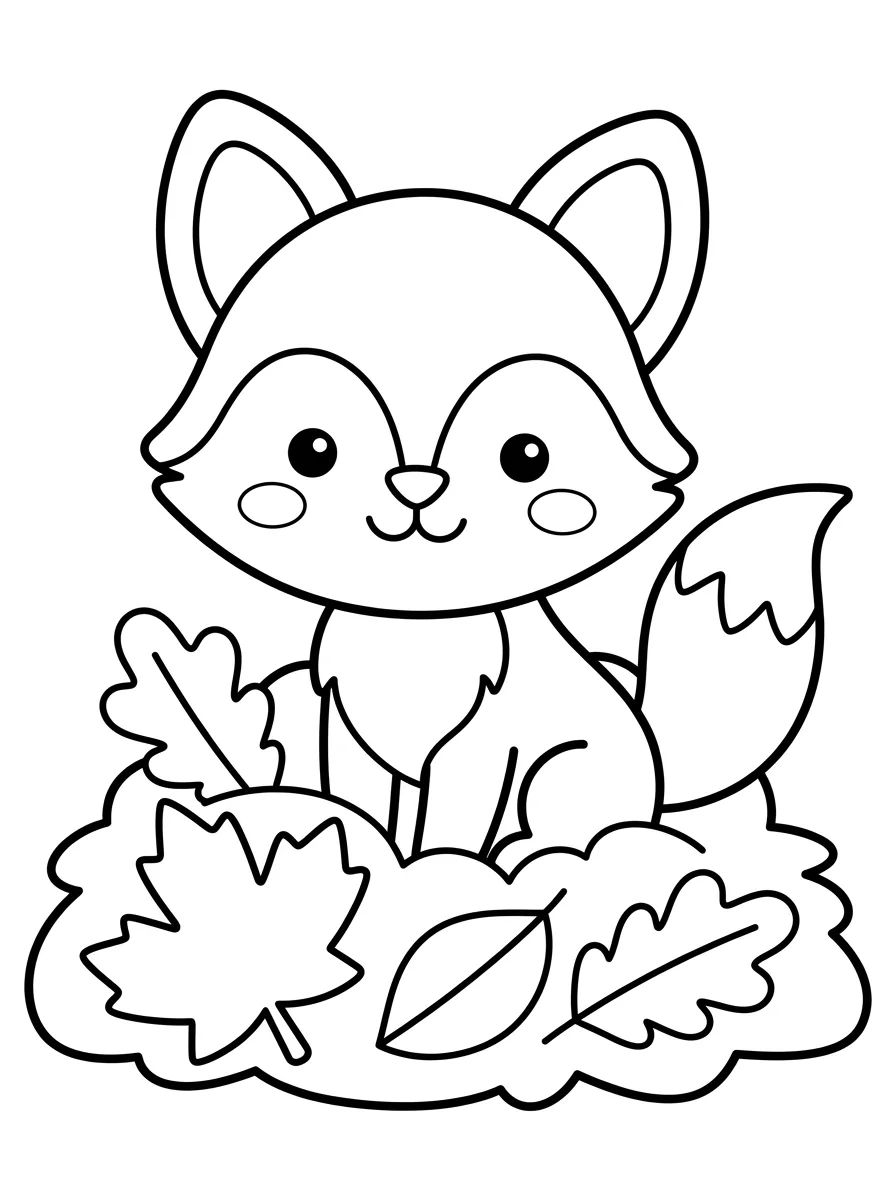
Another key point is working in small sections. If you're coloring a cute animal drawing, for example, start with the ears, finish that part, and only then move to the body. This prevents the ink from drying unevenly, creating a smooth transition. Patience is the best friend of anyone using coloring activities to relax and boost creativity.
The Importance of Color Order
Always start coloring from the lightest colors to the darkest. Why is this important? If you make a small mistake with a yellow marker, it’s very easy to cover it with navy blue or dark green. The reverse, however, is impossible. Additionally, the tips of light-colored markers can get 'dirty' if they touch dark pigments that are still wet on the paper, which can ruin your tools.
How to Handle Tiny Details and Complex Line Art
Many of the exclusive coloring pages at Desenhando e Colorindo feature intricate details that require surgical precision. For these cases, fine-liner markers are a must. They allow you to fill in areas that would be impossible to reach with a standard school marker, keeping the integrity of the line art intact.
When working with details, avoid pressing the marker tip hard against the paper. Excess pressure releases more ink than necessary, increasing the chances of the liquid 'bleeding' through the paper fibers and crossing the drawing's edge. A light touch is enough for the color to transfer in a controlled and elegant way.
Using Complementary Colors for Details
To make specific parts of a printed digital coloring book pop, try using contrasting colors. Small details, like a character’s eyes or flowers in a field, come to life when you apply vibrant tones. This technique highlights the effort put into the piece and turns a simple drawing into a truly personalized work of art.
Maintenance and Marker Types for Best Results
There are several types of markers on the market, from water-soluble (washable) to alcohol-based markers. For those who enjoy coloring for kids, washable markers are excellent for safety but tend to pill the paper if layered too much. Professional markers offer superior blending but require specific paper to prevent bleeding.
- Standard Water-Based Markers: Great for large areas and school projects.
- Alcohol-Based Markers: Ideal for professional gradients and shading in printable drawings.
- Gel Pens: Excellent for adding sparkles and final highlights over dry marker ink.
- Fine Liners (0.4mm): The best choice for outlines and extremely small areas.
Regardless of the type you choose, always keep your markers capped when not in use. A dry tip changes the ink flow, which can cause skips in your coloring page and result in an unpleasant 'scratchy' look.
Creating Texture and Depth with Markers
Coloring isn't just about filling in empty spaces. You can create incredible textures using only markers. On cute drawings of clouds or furry animals, try the stippling technique. By making many small dots close together, you create an illusion of volume and depth that makes the educational drawing much more visually interesting.
Another technique is hatching, which consists of drawing small parallel lines. The closer the lines, the darker the area will appear. This is perfect for creating shadows under trees or folds in clothes on printable art. Layering colors is also possible: wait for the first layer to dry completely and then go over it with a slightly darker shade to create soft shadows.
Tips for Dry Weather and Summer Days
Depending on your region, dry weather can significantly affect how fast your marker ink dries on the paper. If you are painting winter-themed drawings or school projects in a dry environment, you’ll notice the ink dries almost instantly. This is great for avoiding smudges caused by your hand touching the paper, but it means you have to be faster when trying to blend two different colors.
Common Mistakes and How to Fix Them While Coloring
Even experienced artists make mistakes. If you smudge a small part of your free printable coloring page, don't panic. If the smudge is small, you can use a white ink pen or correction tape to cover the error after the ink dries. Then, simply color over it carefully.
Another common mistake is trying to color large areas with very fine tips, which ends up damaging the paper fibers and wasting ink. For backgrounds and skies in your coloring sheets, try using colored pencils in combination with markers or broad chisel-tip markers, which cover more area in less time and more evenly.
- Avoid going over the same spot more than three times to keep the paper from tearing.
- Test colors on a scrap piece of paper before applying them to your final drawing.
- Always clean your ruler if using it with markers so you don't drag fresh ink across the page.
- Keep your hands clean and dry to avoid oily marks that can repel the ink.
Frequently Asked Questions
How do I stop markers from bleeding through the paper?
To prevent bleeding, use higher weight paper (60lb/120g or 110lb/199g) and avoid saturating the same spot repeatedly. Placing a protection sheet under your drawing also helps protect your workspace.
What is the best marker for kids to use?
Washable water-based markers are best for children because they are safe, non-toxic, and easy to remove from skin and clothes, making them ideal for the educational drawings available on Desenhando e Colorindo.
Can I mix markers with colored pencils?
Yes! An excellent technique is to use markers for base colors and vibrant details, and colored pencils for soft shading and filling large areas without using up all your marker ink.
Why is my paper pilling or shredding when I use markers?
This happens when the paper becomes overly saturated and the fibers break down. It usually occurs on very thin paper or when too many layers of wet ink are applied in a short amount of time.
We hope these tips help you take your coloring to the next level! Now that you know how to master markers without smudging, why not put your knowledge to the test? Browse our categories, pick your favorite free printable coloring pages here at Desenhando e Colorindo, and have fun creating amazing art with lots of color and imagination!
Escrito e revisado por Armando Amaro
Fundador do Desenhando e Colorindo. Todo artigo passa por curadoria e revisão humana antes de ser publicado.