Dicas para Colorir Desenhos Usando Lápis de Cor e Giz
23 de setembro de 2026
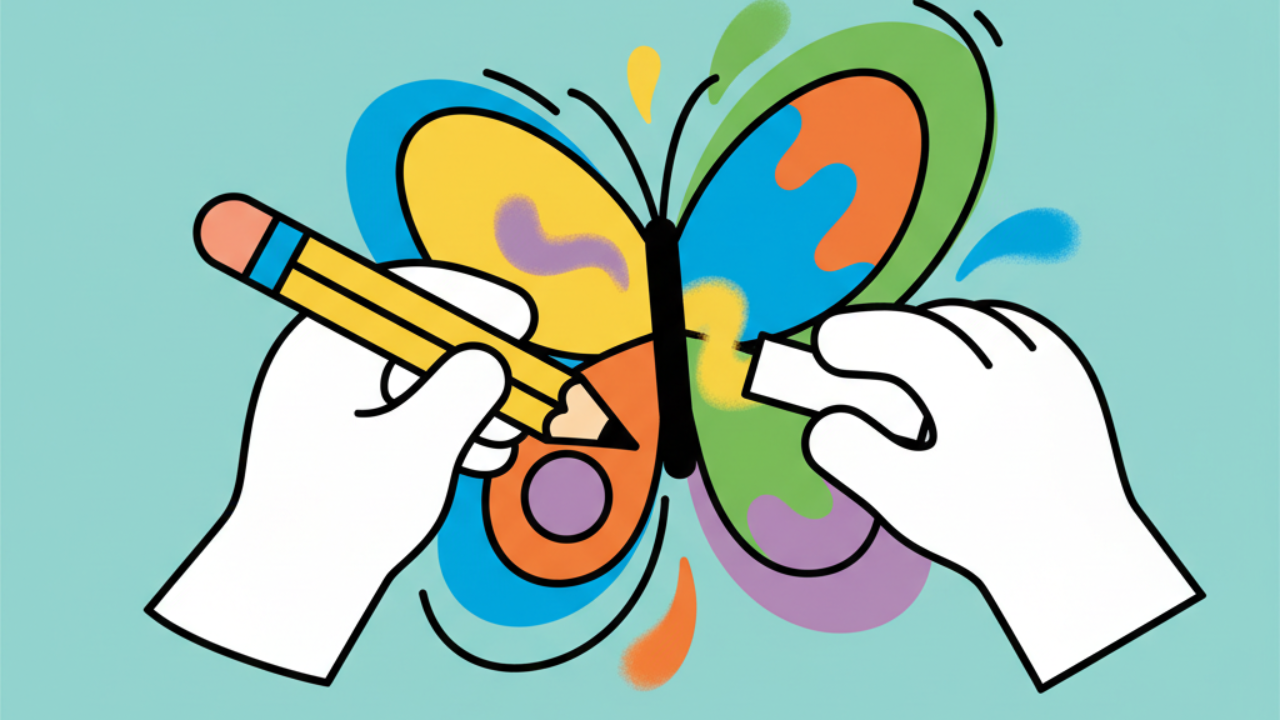
Aprenda técnicas incríveis para pintar seus desenhos para colorir e imprimir usando lápis de cor e giz. Melhore sua arte no Desenhando e Colorindo agora!
Mastering the art of filling in printable coloring pages is a journey of discovery and patience. As we welcome the change of seasons, it's the perfect time to grab your colored pencils and crayons to breathe life into the flowers and landscapes emerging on the Desenhando e Colorindo website. Whether you're a parent helping your child or an adult seeking relaxation through line art for kids, understanding the right tools makes all the difference in your digital or printed coloring book results.
Choosing the ideal paper for printable coloring pages
Often, the difficulty in coloring isn't about the artist's talent, but the medium used. To get the best out of your free drawings, choosing the right paper is the first step. Standard printer paper (20lb/75g) is great for quick sketches, but if you plan on layering colored pencils or using mixed techniques with crayons, consider heavier weights like 24lb or 32lb (120g-180g).
Paper with a light texture (tooth) allows the pencil lead to grip the fibers better, making it easier to create smooth gradients. For crayons, a slightly smoother surface helps spread the wax evenly, preventing unwanted white spots. Remember that at Desenhando e Colorindo, our files are optimized for any home printer.
Why paper weight matters in coloring?
When we apply pressure with colored pencils to create deep shadows, thin paper can tear or wrinkle. Additionally, if you decide to use crayons and then a blending stump, the paper's durability will ensure the sheet stays flat. When looking for educational coloring activities for children, sturdier paper also helps the school artwork last longer.
Pro tip: To prevent colors from bleeding or marking the next page, place a sheet of cardstock or a heavy piece of paper under the drawing you are currently painting.
Essential colored pencil techniques
Colored pencils are versatile tools that allow for everything from fine lines to dense filling on coloring sheets. The most basic technique is controlled pressure. Always start with a light layer and darken gradually. This prevents the pencil wax from saturating the paper too early, allowing for better color blending.
Another fundamental technique is the circular motion. Instead of coloring with straight lines, make small overlapping circles. This eliminates stroke marks and creates a velvety finish, ideal for cute drawings of animals or characters. Mixing complementary colors also helps create more realistic shadows than just using a black pencil.
- Layering: Apply a base color and then a different color on top to create unique shades.
- Burnishing: Use a white pencil or a light color with heavy pressure at the end to seal the colors and add shine.
- Hatching: Use parallel lines to add texture to hair, grass, or fabrics in your line art.
- Gradient: Gradually ease the pressure of your hand to transition from a dark to a light tone.
Exploring the potential of crayons
Crayons are often seen just as school supplies, but they have huge artistic potential for coloring for kids and adults alike. Made of wax and pigment, they glide easily, filling large areas of educational drawings in no time. The secret to crayons is the tip: keep them sharpened for details and use the broad side for backgrounds and skies.
An advanced crayon technique is scratching (grattage). Paint a colorful layer, cover everything with black crayon, and then use a toothpick to scratch out a design, revealing the vibrant colors underneath. This is one of the printable arts that kids love most in classroom activities.
How to avoid crayon messes
Crayons tend to shed small wax flakes that can smudge the page. Always keep a large, dry brush handy to sweep away these residues without rubbing your hand over the drawing. Keeping your hands clean and using a scrap piece of paper to rest your wrist prevents skin oils from smudging the pigment on your coloring pages.
Mixing colored pencils and crayons in the same drawing
Who says you have to choose just one? Combining materials creates rich textures in both AI-generated drawings and hand-drawn art. An excellent technique is using colored pencils to define fine edges and intricate details, and crayons to fill the center of larger shapes.
You can also use crayons to create a water-resistant barrier. If you draw a pattern with a white crayon and then lightly shade over it with colored pencils, the crayon design will appear like magic. This technique is widely used in nature and sea-themed coloring activities.
- Foreground and Background: Use crayons for the background (sky, grass) and pencils for the main characters.
- Texturing: Rub a crayon over a rough surface placed under the paper to create brick or wood patterns.
- Highlights and Shadows: Use dark colored pencils over light crayons to define deep shadows.
The importance of lighting and posture
Coloring printable pages takes time, and ergonomics is vital. Make sure you are in a well-lit area, preferably with natural light. Light coming from the side opposite to your drawing hand prevents shadows on the paper. Maintaining correct posture avoids back pain and allows you to enjoy your printable coloring pages for much longer.
If you prefer the online coloring available at Desenhando e Colorindo, remember to adjust your screen brightness to avoid eye strain. The transition between digital and paper is a great way to stimulate different parts of the brain, especially for children in the motor development stage.
Preservation tip: After finishing your crayon masterpiece, you can apply a thin layer of matte spray fixative or even hairspray (from 12 inches away) to set the color and prevent fading.
Educational activities: Coloring as a learning tool
Teachers use our educational drawings to teach fine motor skills. Using a pencil requires a precise tripod grip, while crayons encourage broader arm movements. Drawings featuring nature themes are great for teaching about life cycles, flora, and fauna, all through the free coloring sheets on our portal.
Furthermore, coloring helps with concentration and patience. Choosing colors for a digital coloring book or a physical one stimulates decision-making and creativity. There is no right or wrong; the important thing is personal expression through color.
Frequently Asked Questions
Which is better: colored pencils or crayons?
It depends on your goal. Colored pencils are superior for details, precise shading, and complex blending. Crayons are ideal for younger children and for covering large areas quickly with vibrant colors.
How do I prevent my printed drawings from smearing?
Ensure the printer ink is completely dry before you start coloring. If using an inkjet printer, avoid using water-based markers or very wet brushes over the black lines.
Can I mix colored pencils with other materials?
Yes! Besides crayons, you can use markers for outlines and even makeup (like old eyeshadows) to create blush effects on characters and cute drawings.
Where can I find free printable coloring pages?
On the Desenhando e Colorindo website, we offer a vast library of free drawings organized by categories like animals, nature, and characters, ready to download and print anytime.
Now that you know the best techniques for using colored pencils and crayons, it's time to get to work! Explore our full collection of printable coloring pages, pick your favorite themes, and start creating amazing works of art today. The fun never ends at Desenhando e Colorindo!
Escrito e revisado por Armando Amaro
Fundador do Desenhando e Colorindo. Todo artigo passa por curadoria e revisão humana antes de ser publicado.