Coloring Texture Tips for Cute Animal Drawings
13 de outubro de 2026
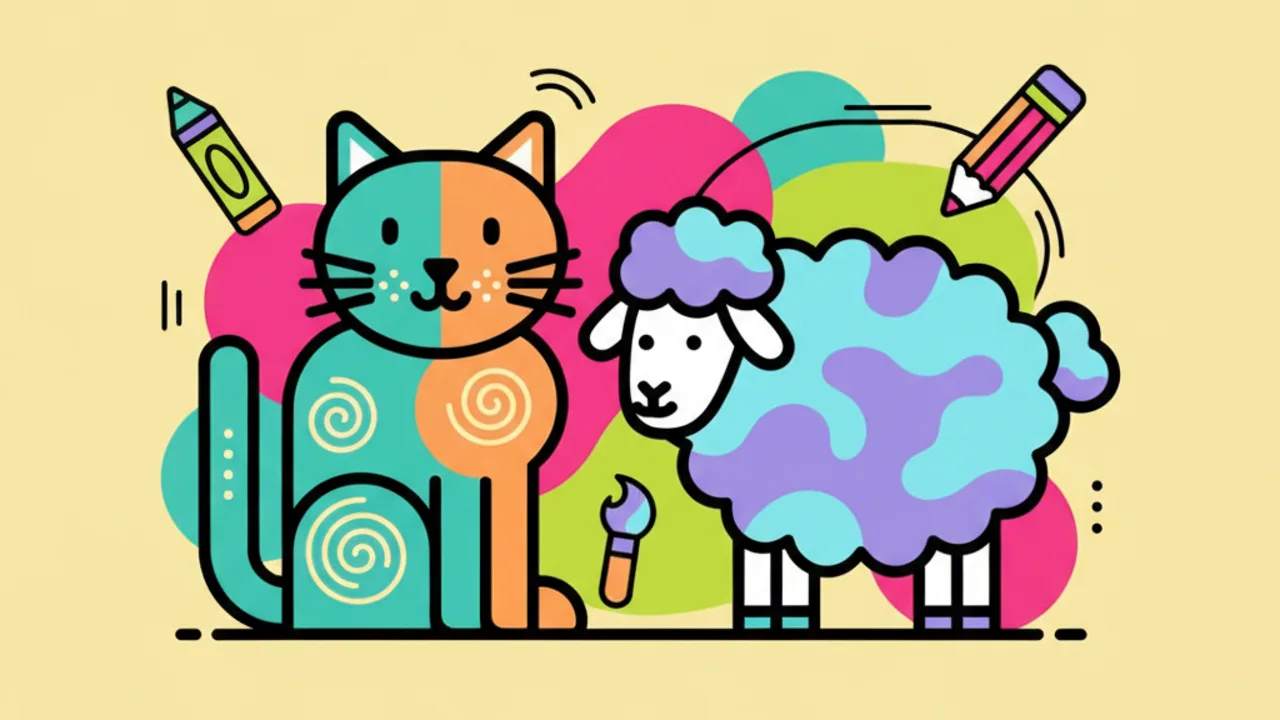
Learn texture techniques to make your cute animal drawings look amazing. Practical coloring tips and free printables on Drawing and Coloring.
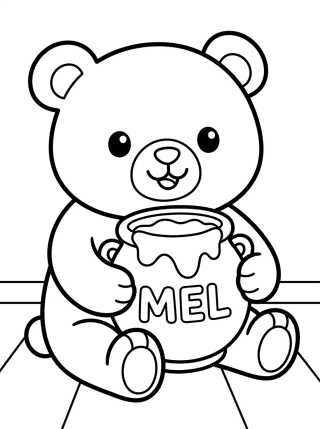
Mastering the art of applying textures to free printable coloring pages can turn a simple activity into a detailed masterpiece. When it comes to cute animals, the secret lies in how you visually replicate softness, shine, or roughness. With creative vibes in the air, it's the perfect time to explore new approaches to your coloring sheets.
The Importance of Pencil Pressure for Texture
The first fundamental technique for any kids' line art enthusiast is pressure control. To create the illusion of depth in animal fur, you shouldn't use the same force across the entire drawing. Start with a light, almost invisible base to define shaded areas.
By varying the pressure, you can create gradients that simulate the animal's body volume. In educational coloring pages, this helps children understand 3D shapes. Use soft circular motions for the base and firmer strokes for detail at the edges.
Pro tip: Keep your colored pencils sharp! For fine fur textures, a sharp point is essential to ensure every single hair is visible on the paper.
Stippling Technique for Textured Skin
Not all cute animals are fluffy. Some creatures, like baby elephants or little frogs, have different skin textures. Stippling is an excellent variation for these coloring activities. Instead of filling space with strokes, you create tiny dots close to each other.
The closer the dots, the darker the area will be. This technique works wonders on printable art with large open spaces. Besides looking artistic, stippling helps develop fine motor skills in young artists.
Creating Shine in Eyes and Noses
To make your animal look truly "alive" and adorable, the secret is in the eyes. When you download your free coloring pages from Desenhando e Colorindo, always leave a small white circle inside the black pupil. This is the catchlight that simulates natural moisture.
The same applies to the nose. Use a pink or light brown tone and leave a tiny unpainted spot at the top. This contrast makes the nose look like it's popping off the page, giving an irresistible 3D look to your cute drawings.
How to Simulate Different Fur Types
There are several ways to represent animal fur in a digital coloring book or printed page. Each species requires a different touch for immediate and pleasing visual recognition.
- Short hair: Use quick, small strokes, always following the direction of hair growth (usually from head to tail).
- Long, silky fur: Make long, slightly wavy lines, allowing colors to overlap smoothly.
- Sheep's wool: Use a "scumbling" or scribbling motion, creating small, messy curls and spirals for volume.
- Bird feathers: Create small inverted "U" shapes, overlapping them like roof tiles.
Using Layers for Color Depth
Many people make the mistake of using only one color to paint an animal. To get realistic texture in your printable coloring sheets, you must work in layers. If you're painting a brown bunny, start with a light beige, overlap with a medium brown, and finish with dark brown touches in the shadows.
This layering creates a rich visual texture, preventing the drawing from looking "flat." In coloring for kids, teaching how to mix yellow with orange to make a lion is a great practical color theory lesson.
Alternative Tools for Texturing
Beyond traditional pencils, you can use household items to create amazing effects in your kids' line art. A cotton ball can be used to smudge the sky or very soft fur areas. Meanwhile, a precision eraser can be used to "draw" white hairs over a dark area.
Another cool technique is placing a rough surface (like fine sandpaper or a leaf) under the paper before using crayons. The texture from below will transfer to your drawing, creating unique organic effects.
Tips for Printing and Preparing Your Materials
For texture techniques to work, print quality is key. At Desenhando e Colorindo, we offer high-resolution free printable coloring pages, ensuring lines don't look pixelated.
- Paper Choice: Heavier paper (like 28lb or 32lb bond) handles multiple pencil layers and even wet techniques better.
- Printer Settings: Use "High Quality" mode so the line art stays crisp.
- Organization: Create themed folders for your drawings, making it easier to choose your next artistic challenge.
Frequently Asked Questions
How do I prevent smudging while coloring?
To avoid smudges, always color from top to bottom (and left to right if you're right-handed) and place a blank sheet of paper under your hand so you don't drag graphite or wax across the page.
What's the best type of pencil for animal textures?
Soft-core (wax-based) colored pencils are best for gradients and blending. Hard-core pencils are excellent for fine details and individual hairs.
Can I use markers to create texture?
Yes! Markers are great for stippling or hatching (small parallel lines). Just make sure the paper is thick enough so the ink doesn't bleed through.
Where can I find simple animal drawings to practice?
At Desenhando e Colorindo, we have an exclusive section of cute coloring pages with clean lines, perfect for anyone starting to practice shading and texture.
Now that you know the best techniques to bring your favorite animals to life, it's time to get started! Explore our vast gallery of free printable coloring pages, pick your favorite creature, and start creating amazing textures today. Remember, practice makes perfect, so don't be afraid to experiment with new colors and styles on every page!
Escrito e revisado por Armando Amaro
Fundador do Desenhando e Colorindo. Todo artigo passa por curadoria e revisão humana antes de ser publicado.