Gradient Coloring Tips for Line Art and Kawaii Drawings
28 de setembro de 2026
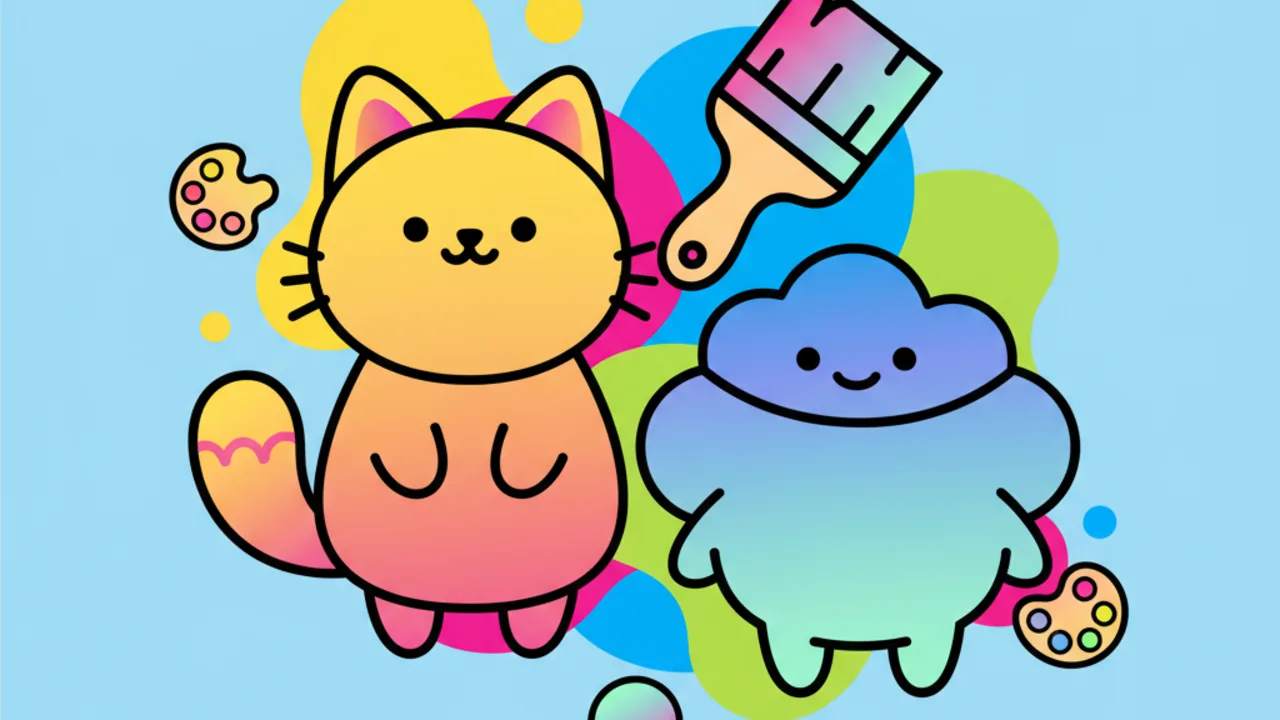
Learn easy gradient techniques to level up your line art and cute drawings. Practical tips for coloring and printing amazing art at Desenhando e Colorindo.
How Gradient Shading Transforms Your Printable Coloring Pages
Mastering the gradient technique is a total game-changer for anyone who loves printable coloring pages. A gradient, or shading, is the smooth transition between colors or tones of the same hue, adding volume, depth, and a professional look to even the simplest sketches.
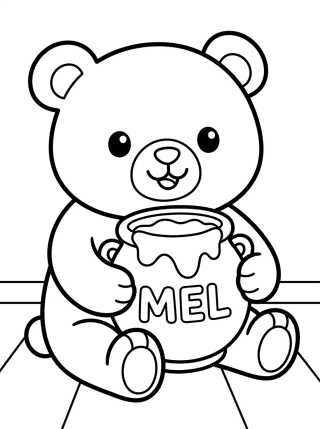
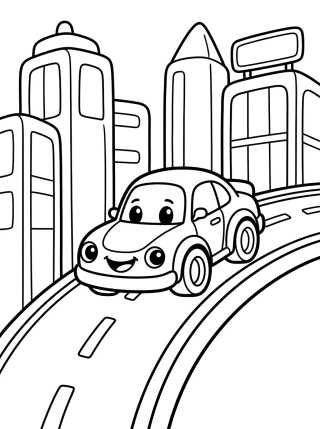
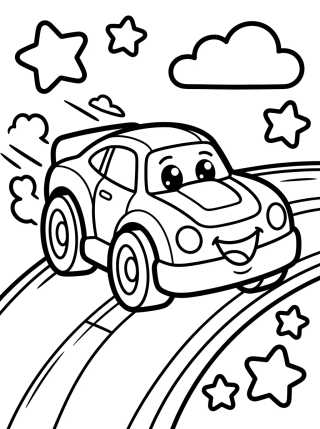
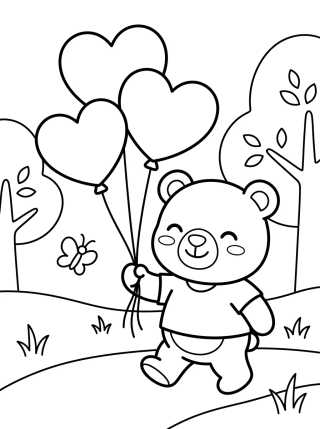
At Desenhando e Colorindo, we offer a massive library of kid-friendly line art and cute drawings that are the perfect canvas for practicing. Whether you're welcoming spring vibes or cozy autumn tones, knowing how to blend colors makes the coloring activity much more educational and artistic. 🎨
By applying a gradient to a flower petal or an animal's fur, you move beyond flat colors to create a 3D illusion. This technique is fantastic for developing fine motor skills and visual perception in children.
Best Materials for Practicing Gradients in Line Art
To achieve a smooth effect on your free coloring pages, choosing the right tools is key. While you can shade with almost anything, some materials make blending pigments on paper much easier.
Colored Pencils and Their Versatility
Colored pencils are the go-to for beginners. For a great gradient, choose pencils with soft leads (like watercolor or professional sets). The trick is all in your hand pressure: start firm at one end and gradually lighten your touch as you move toward the center of the drawing.
Alcohol-Based Markers
For those looking for a digital coloring book finish on physical paper, markers are excellent. They allow for layering that creates seamless shadows without stroke marks, perfect for cute Kawaii-style drawings. ✨
Pro Tip: Always test your color blend on a scrap piece of paper before applying it to your final coloring page. This prevents unwanted smudges on your masterpiece.
Pressure and Layering Techniques for Beginners
The foundation of a flawless gradient in educational drawings is patience. Many people think they need hundreds of colors, but you can achieve incredible effects with just two shades.
- Light Layers: Never press too hard on the first pass. Build the color gradually.
- Circular Motions: Instead of straight lines, use small circles to blend colors and avoid harsh edges.
- Tone Overlapping: Use a dark color at the base and overlap a lighter color to "pull" the pigment and soften the border.
- Using White: A white pencil works as an excellent "blender" to seal the gradient and add highlights.
Applying Light and Shadow to Cute Drawings
Cute drawings, like big-eyed animals or smiling clouds, come to life with strategic shading. Gradients define where the light is coming from. If the light hits from the right, the soft shadow should be on the left.
When working with character coloring sheets, try to imagine the shapes as spheres. The edges should be darker and the center lighter, creating that "squishy" and adorable look typical of modern illustrations. ☁️
Using pastel gradients creates a soothing aesthetic, popular for adults who use coloring as therapy. It’s a way to turn a simple coloring activity into a piece of decor or a personalized gift.
Exploring Color Theory in Gradients
Understanding the color wheel helps you pick which colors pair best for transitions in your free printable coloring pages. Analogous colors (neighbors on the wheel) guarantee the most natural-looking gradients.
Monochromatic Gradients
Use variations of blue, from navy to sky blue, to color sky or sea drawings. It’s the easiest way to start practicing without worrying about color clashing.
Complementary Color Gradients
For a vibrant look, try transitioning from orange to blue or green to pink. The secret is having a neutral or transition color in the middle to avoid creating a muddy grey tone. 🌈
How to Color Online with Gradient Effects
Technology also lets you practice shading. Many online coloring tools now offer spray brushes or auto-gradient tools. This is excellent for kids starting to grasp the concept of depth before moving to physical paper.
At Desenhando e Colorindo, we encourage using both platforms. Digital tools help plan the color palette, while printing allows for the tactile exercise of painting, which is essential for cognitive and artistic development.
The Role of AI in Coloring Pages
Nowadays, we use AI-generated drawings to create highly detailed line art optimized for shading techniques. AI can generate light and shadow patterns that serve as a guide for the human artist.
When you print these pages, you'll notice the contour lines already suggest areas of depth, making it easier to apply your gradient. It’s the perfect blend of technology and traditional manual art.
Educational Benefits of Gradient Painting
Working on color transitions in coloring activities brings several benefits to students and art enthusiasts:
- Spatial Perception: Understanding how light interacts with objects.
- Patience and Focus: Gradients require mindfulness to be executed without rushing.
- Self-Esteem: Seeing the professional result of a well-shaded drawing motivates kids to keep creating.
- Technical Skills: A foundation for future techniques in canvas painting or graphic design.
Frequently Asked Questions About Coloring Line Art
How do I stop the paper from tearing when shading?
Always use paper thicker than 90g (like cardstock) if you plan on using many layers of pencils or markers. Avoid pressing the pencil tip too hard into the paper fibers.
What is the best color for shading colorful drawings?
Avoid using pure black for shadows, as it can make the art look "dirty." Try dark blue, purple, or brown tones depending on the base color of your page.
Can young children learn how to shade?
Yes! Start with a "hard press, light press" game. Teaching them to control hand pressure is the first step toward shading and is a great educational activity.
Can I make gradients with crayons?
Yes! Crayons are great for large gradient areas. You can use a cotton ball or even your finger to smudge the colors and create a smooth transition between them.
Conclusion
Mastering gradients is a fun and rewarding journey that transforms any sheet of paper into a vibrant work of art. Whether you're experimenting with pencils, markers, or crayons, the secret is consistent practice and exploring new color combos. Refresh your creative energy with the latest additions to our site. Don’t wait—pick your favorite free printable coloring pages here at Desenhando e Colorindo. Get your supplies ready, let your imagination run wild, and start painting today! 🖍️
Escrito e revisado por Armando Amaro
Fundador do Desenhando e Colorindo. Todo artigo passa por curadoria e revisão humana antes de ser publicado.