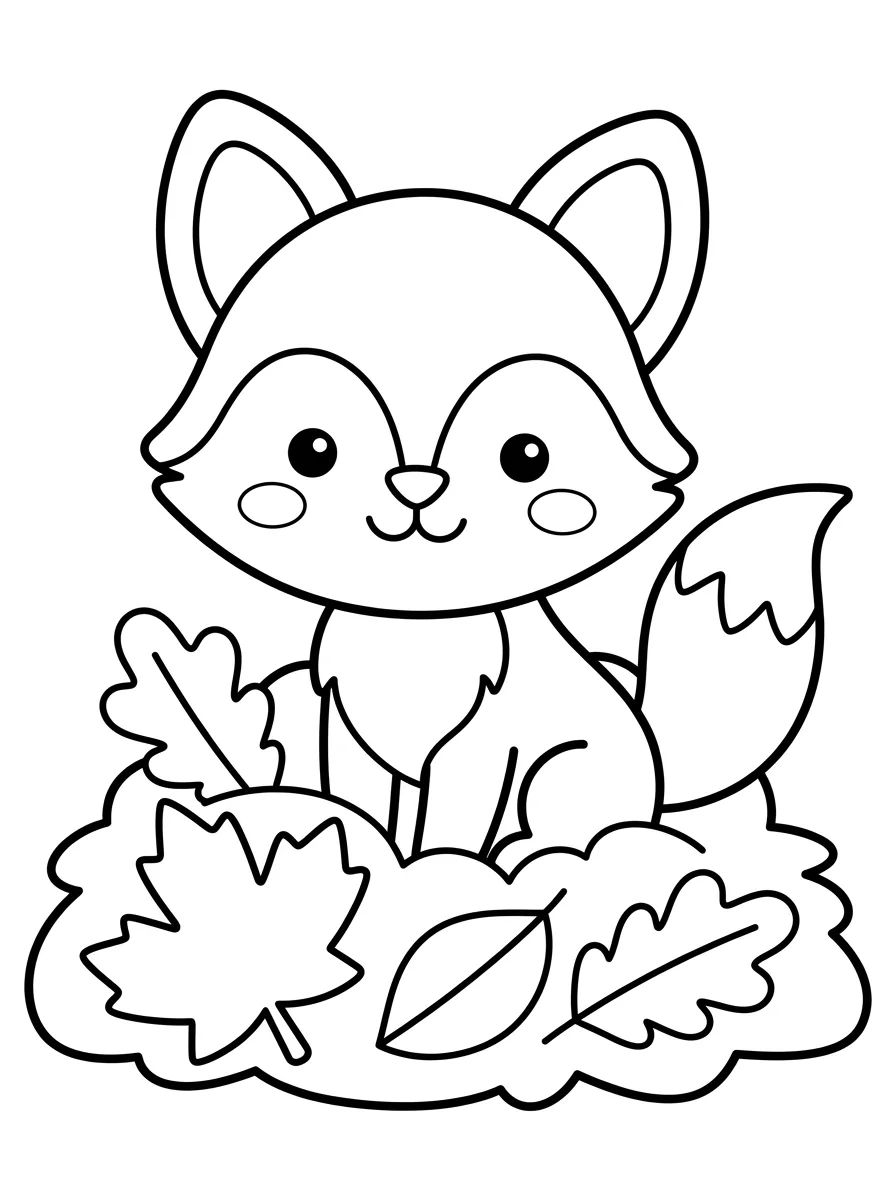
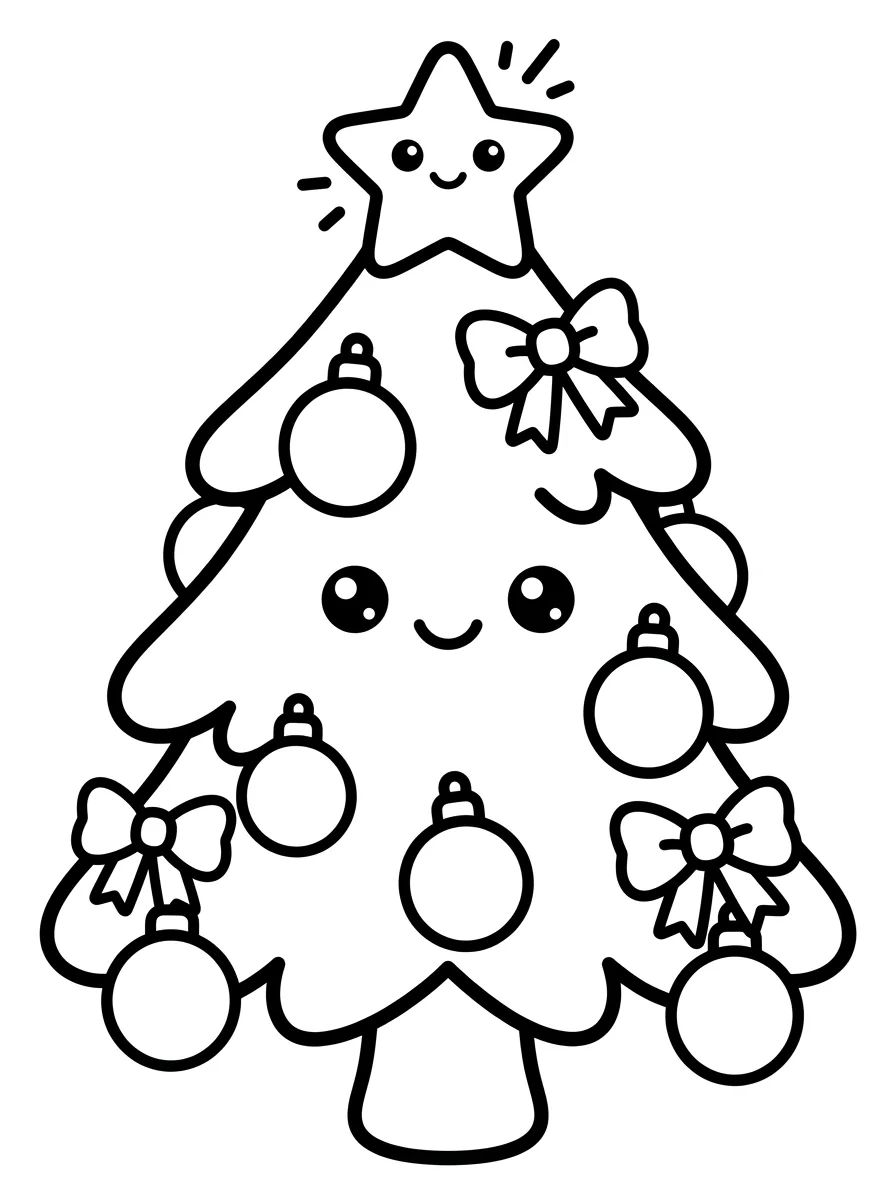
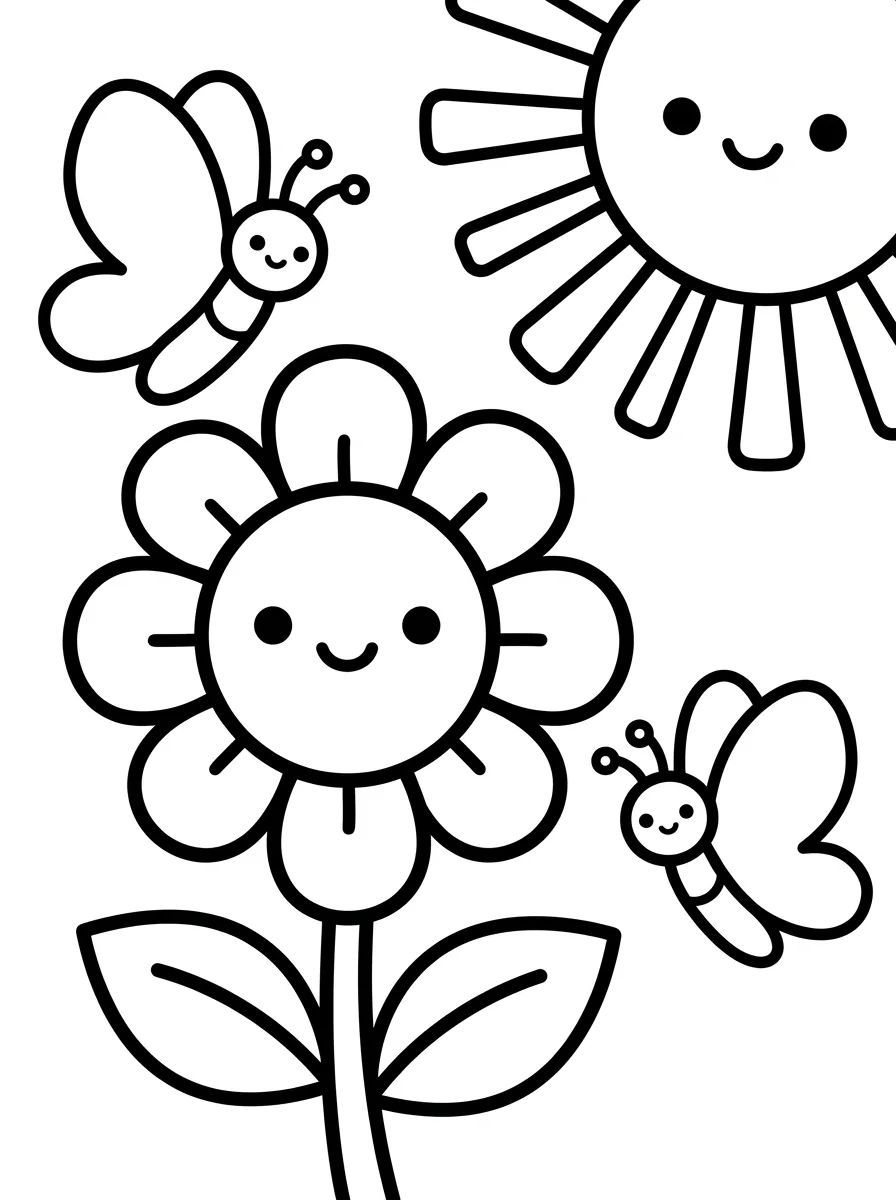
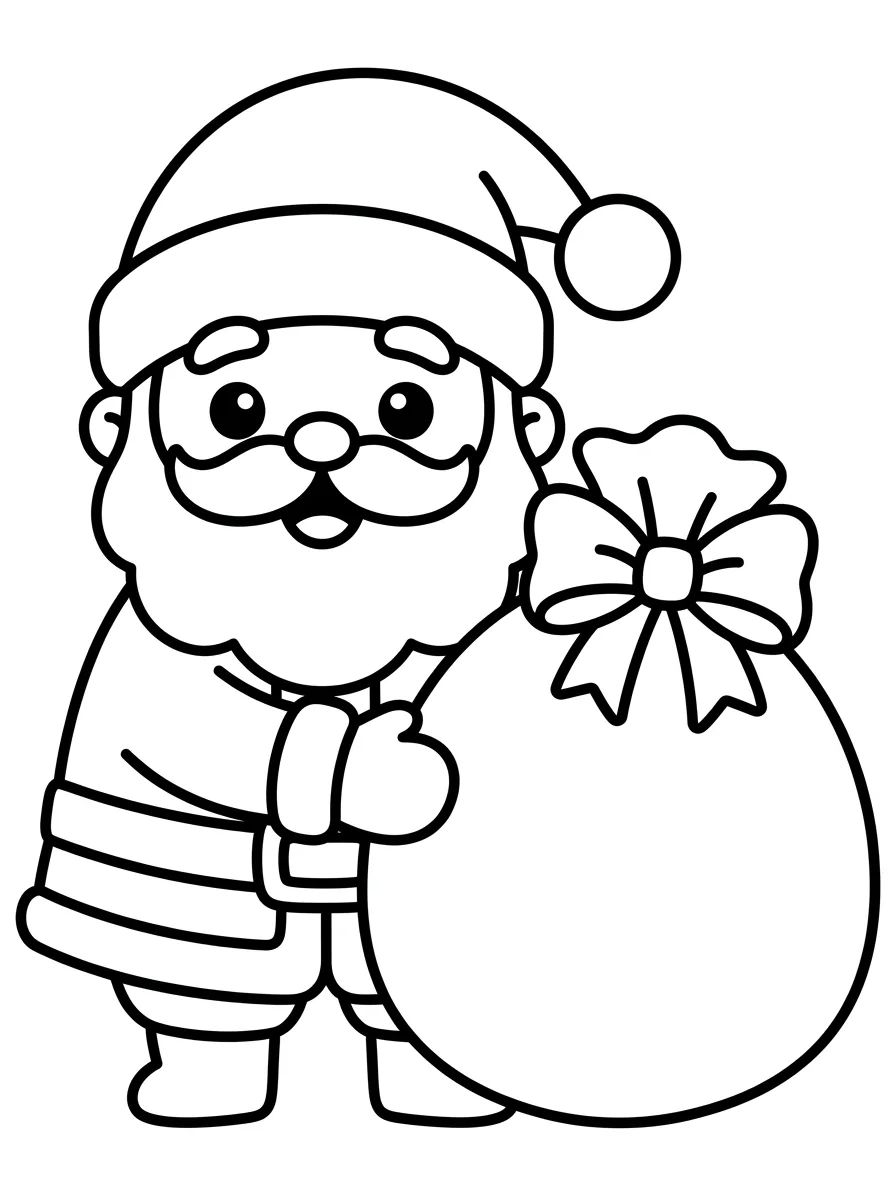
Coloring Tips: Learn and Improve with Every Page
26 de agosto de 2026
Turn mistakes into masterpieces! Learn how to handle coloring slips and keep the fun going with our free printable coloring pages.
Why Not Every Drawing Has to Be a Masterpiece?
When we pick up our free coloring pages to print here at Coloring & Drawing, it's common to feel that internal pressure for the final result to look exactly like a professional's. However, the act of coloring, especially in August, an excellent month for indoor manual activities, should focus on the journey, not just the final destination.
Using the wrong shade of a color or going outside the lines of a kids' line art is part of the motor and creative development process. At Coloring & Drawing, we believe that every stray mark is actually an opportunity to discover new color combinations and styles you didn't even know you liked.
Dealing with frustration is an essential step in artistic learning. If a coloring page didn't turn out as you imagined, it doesn't mean the time was wasted. On the contrary, your brain is processing information about pencil pressure, pigment mixing, and visual perception, which will make your next drawing even better.
The Beauty of Colors Outside the Lines in Line Art
Kids' line art is designed to guide the hand, but it shouldn't be a prison for imagination. Often, the most interesting drawings are those where the child (or adult) decided to ignore traditional boundaries to create dramatic shadows or light effects that go beyond the conventional.
When you download our printable art, you're getting a map, but you're the driver. If your pencil slipped, try to turn that mistake into a detail of the scenery, like a flying leaf or a sunbeam. This stimulates lateral thinking and problem-solving in a playful, stress-free way.
Practical tip: If you accidentally used a color that's too dark, try going over it with a white pencil to soften the tone, or use a precision eraser to create highlight textures on the colored area.
How Coloring Activities Help with Focus and Resilience
Coloring activities are powerful tools for developing patience. In such a fast-paced digital world, sitting down with physical paper and colored pencils requires a time for maturation. If a drawing didn't turn out well, it serves as a reminder that perfection is subjective and learning is continuous.
Often, dissatisfaction comes from fatigue. If you feel you're getting irritated with your coloring, take a break. Coloring & Drawing offers thousands of options, so you can always print a new cute drawing and start fresh, applying what you learned from the previous attempt.
- Resilience: Accepting that art is fluid and imperfect.
- Perception: Understanding which colors work best together.
- Patience: Learning to fill large spaces without rushing.
- Creativity: Finding solutions to correct or adapt mistakes.
Transforming “Mistakes” into Artistic Style
Many famous styles, like Impressionism, were born from breaking rigid rules of filling and form. If your coloring picture looks “messy,” maybe you've just invented your own style. Try using hatching or stippling techniques to cover areas you didn't like, giving the paper a unique texture.
The use of AI-generated drawings, which we offer on our platform, allows for complex bases that accept various layers of paint or pencil. If the first layer wasn't pleasing, use different materials, like pastels or markers, to layer colors and create depth.
Tips to Stay Motivated with Your Educational Drawings
Educational and themed drawings are great for practice, but self-criticism can be a barrier. A useful technique is to keep a folder with all your drawings, even the ones you consider “ugly.” By looking back after a month of daily coloring, the evolution will be clear and inspiring.
Remember that coloring online or on paper is a form of relaxation. If the activity is causing frustration, it's time to change your perspective. Try coloring smaller areas first to gain confidence, or choose coloring pages with thicker lines, which make initial precision easier for beginners of all ages.
Material Choice Influences the Result
Sometimes, frustration isn't your skill's fault, but the material's. Very thin paper can tear or not hold pigment well. When using our free printable drawings, try using slightly heavier paper (like 120g) if you're using markers or watercolors. This prevents the drawing from wrinkling and improves your satisfaction with the final result.
- Soft colored pencils make blending colors easier.
- Felt-tip pens are great for outlines and vibrant details.
- Regular copier paper is ideal for practicing pressure and hatching techniques.
- Kneaded erasers help lighten areas without damaging the paper fibers.
Developing Children's Creativity Through Mistakes
For parents and teachers who use Coloring & Drawing, it's vital to encourage children not to give up when they make a color mistake. Children's creativity flourishes in environments where mistakes are seen as part of exploration. If a child colored the sun blue, ask them what a world with a blue sun would be like instead of correcting them immediately.
This freedom turns the digital or physical coloring book into a safe field for experimentation. When a child realizes they won't be judged for precision, they feel more encouraged to try new forms of expression and spend more time focused on printable art.
Constant Evolution at Coloring & Drawing
Our commitment is to always provide the best free coloring pages to print. With each new August collection, we bring themes that challenge and entertain. If a drawing didn't turn out well today, tomorrow there will be a new blank page waiting for you. Art is infinite, and so is your capacity for improvement.
Don't let a broken pencil or a wrong color ruin your leisure time. Take a deep breath, choose another kids' line art from our website, and start again. The important thing is to keep your hands moving and your imagination soaring high.
Frequently Asked Questions
What should I do if my coloring page tears?
You can tape a piece of clear adhesive tape on the back to stabilize the paper and continue coloring, or use the tear as part of a creative collage with other materials.
How can I prevent markers from bleeding through the back of the drawing?
Always place a blank sheet of copier paper underneath the page you're coloring to absorb excess ink and protect surfaces or other sheets in your pad.
What's the best way to blend colors in educational drawings?
Start with the lighter color and then gently layer the darker color, using small circular motions so that the pigments blend naturally without harsh marks.
Can I print the same drawing multiple times?
Yes! At Coloring & Drawing, all our files are free. You can print the same image multiple times to test different color palettes and techniques without fear of making mistakes.
Now that you know making mistakes is part of the fun, how about putting it into practice? Explore our vast library, choose your favorite themes, and start right away. Access our gallery of free coloring pages to print and unleash your imagination without fear!
Escrito e revisado por Armando Amaro
Fundador do Desenhando e Colorindo. Todo artigo passa por curadoria e revisão humana antes de ser publicado.