Create Vibrant Art Using Color Theory in Your Drawings
28 de setembro de 2026
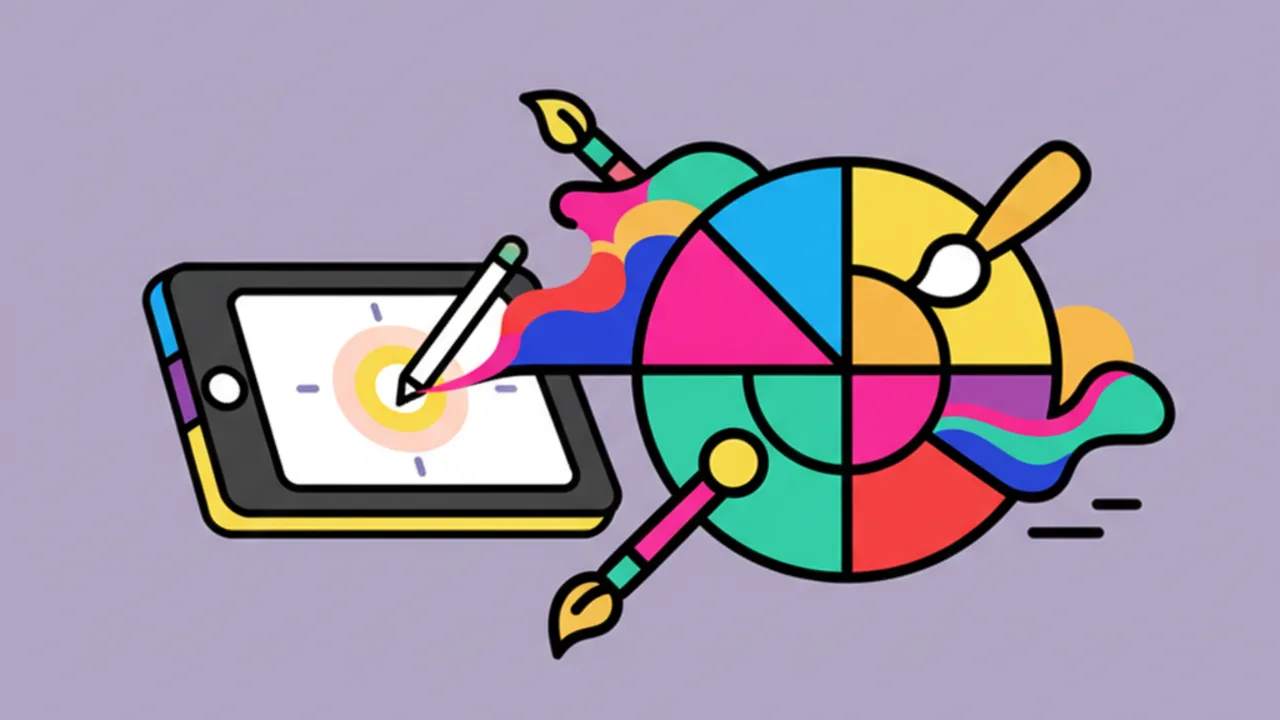
Learn how to apply color theory to your coloring pages, creating vibrant and harmonious art at Desenhando e Colorindo. Check it out! 🎨
Understanding the Color Wheel in Coloring Pages
To level up your creations at Desenhando e Colorindo, the first step is understanding how colors interact. The color wheel is a fundamental tool for anyone looking to turn simple printable coloring pages into vibrant works of art.
This visual tool organizes colors so we can identify which tones pair best together. When you download your free coloring sheets, try to visualize the wheel before picking up your colored pencils or markers to ensure instant visual harmony.
Primary colors (blue, red, and yellow) are the foundation of everything. From them, we create secondary and tertiary colors. Knowing this helps you plan lighting and shadows in your educational drawings, bringing depth to kids' line art.
Pro tip: Start by coloring the larger areas of your drawing with primary colors and save the vibrant, contrasting colors for smaller details to create an eye-catching focal point.
The Magic of Complementary Colors in Coloring Activities
Complementary colors are those sitting directly opposite each other on the color wheel, like blue and orange, or purple and yellow. Using this technique on your coloring pages creates maximum contrast and tons of visual energy.
Whether you're coloring a superhero character or a vibrant nature scene, complementary colors help specific elements pop. It's an excellent technique for those who love printable art that truly jumps off the page.
However, the secret to success with complementaries is balance. If you use both colors in equal proportions, the drawing might overwhelm the eyes. The ideal approach is to choose one as the dominant color and the other just for subtle accents and outlines.
Try this technique on our cute drawings of animals or plants. You'll notice how the contrast makes the coloring sheet come to life instantly, looking like a professional illustration.
Analogous Harmony for Soft and Relaxing Drawings
Unlike the vibrant contrast of complementaries, analogous colors are neighbors on the color wheel. For example: green, teal, and blue. This combination is perfect for coloring for kids with more serene themes, like forest landscapes or underwater scenes.
Using analogous tones in coloring pages provides a sense of calm and continuity. It's an excellent choice for adults who practice painting as a form of therapy, exploring smooth gradients and delicate transitions between tones.
When printing your free printable coloring pages at Desenhando e Colorindo, try picking three neighboring pencils from your box. Start with the lightest shade and layer the medium and dark tones to create a realistic shading effect.
How to apply analogous colors in different themes:
- Nature: Use variations of green and yellow for realistic foliage.
- Sky: Explore shades of blue, violet, and purple for a magical sunset.
- Characters: Choose skin tones and shadows in nearby earthy tones.
- Fantasy: Combine pinks, magentas, and reds for mystical creatures.
Color Psychology in Coloring Sheets
Colors aren't just for decoration; they convey emotions. When selecting your free drawings for your next coloring session, think about the visual message you want to send through your chosen palette.
Warm colors like red, orange, and yellow evoke warmth, joy, and energy. They are great for dynamic coloring activities. Meanwhile, cool colors like blue and green bring peace, freshness, and tranquility, ideal for night or winter settings.
Understanding color psychology is vital for those working with AI-generated drawings or creating their own digital compositions before printing. The right choice can transform the entire mood of a scene.
Materials that Enhance Color Theory
To apply color theory accurately, the quality of your materials and paper is essential. When you download a digital coloring book here on our site, we recommend printing on heavier weight paper to support multiple layers of color.
Watercolor pencils allow for incredible blending, making it easy to create new colors from primaries. On the other hand, alcohol-based markers are excellent for those seeking solid, vibrant colors typical of professional kids' line art.
Don't forget the online coloring option directly on our website. Digital tools make it easy to test palettes before committing to paper, saving time and resources on your printable art.
Essential material list for colorists:
- High-weight printer paper (28lb or 65lb cardstock).
- A set of colored pencils with at least 24 colors.
- Kneaded eraser to remove excess pigment without damaging the paper.
- A high-quality sharpener to keep points precise for details.
- White gel pens for final highlights and light points.
Shading and Lighting Techniques for Online and Physical Coloring
Light and shadow are what give volume to your coloring sheets. Without them, the image looks flat. Imagine a light source coming from one corner of the page and apply the lightest tones there, leaving the dark colors for the opposite side.
Shading doesn't have to be done just with black. In fact, using dark complementary colors (like a deep purple to shadow a yellow object) creates a much more professional and vibrant effect on your printable drawings.
Practicing gradients is key. Start with light pressure on the pencil and gradually increase it as you move toward the shaded areas. This ensures the color transition is smooth, a hallmark of a well-finished digital coloring book.
Exploring Textures and Patterns in Kids' Line Art
Many of our cute drawings feature wide spaces that can be filled with textures. Instead of just painting a solid color, how about creating patterns with stippling, hatching, or small circles?
These techniques add visual interest and complexity to simple kids' line art. It's a great way to develop fine motor skills and patience, turning a coloring activity into an exercise in artistic detailing.
Printing Tip: Always check if your printer settings are set to 'High Quality' so the outlines of the coloring pages stay crisp and easy to follow.
Educational Benefits of Colors for Children
The conscious use of color theory in educational drawings helps cognitive development. Children learn to categorize objects, identify patterns, and express feelings they often can't put into words.
By offering free drawings with different themes, parents and teachers encourage curiosity and experimentation. Coloring isn't just about filling spaces; it's a powerful form of visual communication that Desenhando e Colorindo fully supports.
Encourage children to mix colors to see what happens. The moment blue meets yellow and turns green is a valuable scientific and artistic discovery that occurs naturally while painting our coloring pages.
Frequently Asked Questions
What is the color wheel and how does it help with coloring?
The color wheel is a visual representation of colors organized by their relationships. It helps you choose combinations that work well together, ensuring your drawing has balance and visual harmony.
How can I make the colors in my drawings look more vibrant?
For more vivid colors, apply light, overlapping layers of colored pencils instead of saturating the paper all at once. Placing complementary colors side-by-side also increases the perception of brightness and chromatic intensity.
Can I use markers on the printed drawings from the site?
Yes, you can use markers, but we recommend printing the drawings on thicker paper (like 65lb cardstock) to prevent the ink from bleeding through the sheet and staining your work surface.
What is the best way to blend colors using colored pencils?
The best technique is "layering." Lightly shade with the first color and then go over it with the second color, also using a light touch. Repeat the process until you reach the desired tone, using a white pencil to burnish and smooth out the edges if necessary.
Now that you've mastered the secrets of color theory, it's time to put all that knowledge into practice! Explore our vast collection of printable coloring pages at Desenhando e Colorindo, pick your favorite themes, and start creating amazing art today. The fun is just a click away, so grab your supplies and enjoy our free drawings!
Escrito e revisado por Armando Amaro
Fundador do Desenhando e Colorindo. Todo artigo passa por curadoria e revisão humana antes de ser publicado.