Mastering Shading and Lighting in Coloring Pages
21 de agosto de 2026
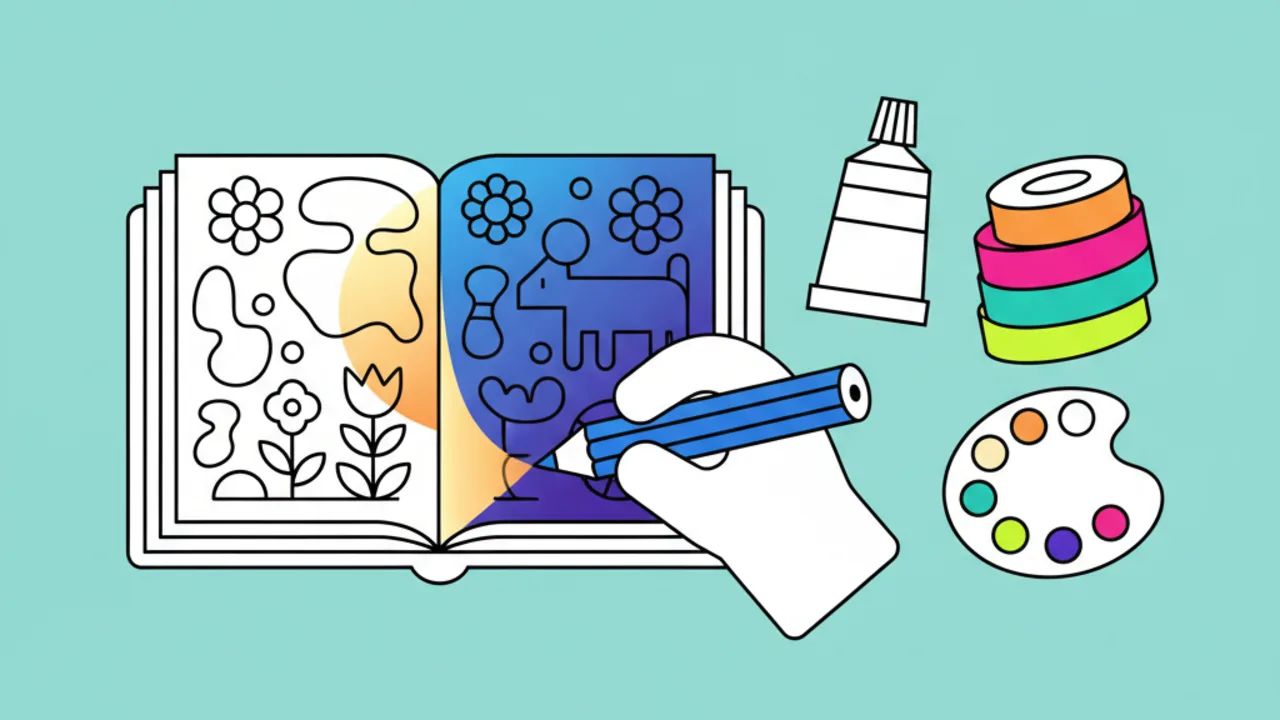
Learn how to apply light and shadow to your free printable coloring pages. Give depth and realism to your artwork with these simple shading techniques. 🎨✨
Understanding Lighting in Free Printable Coloring Pages
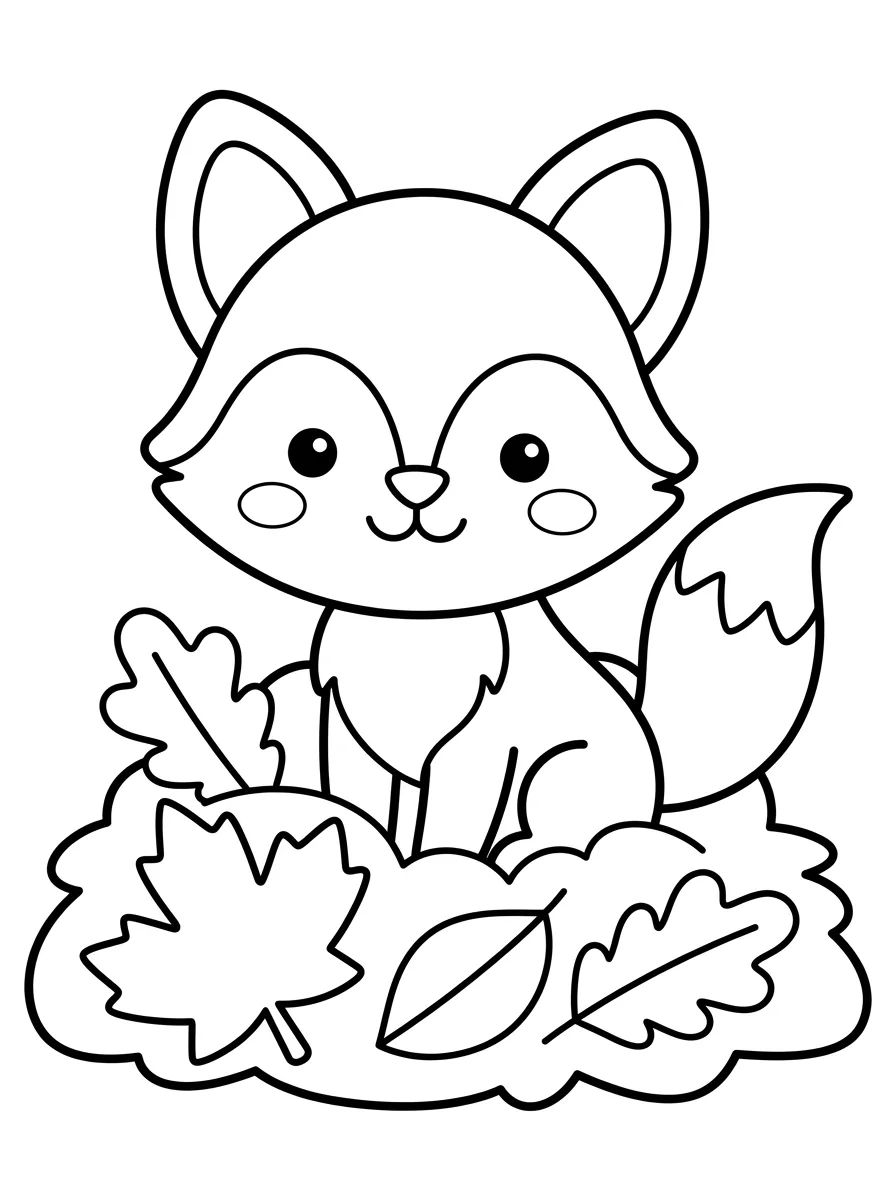
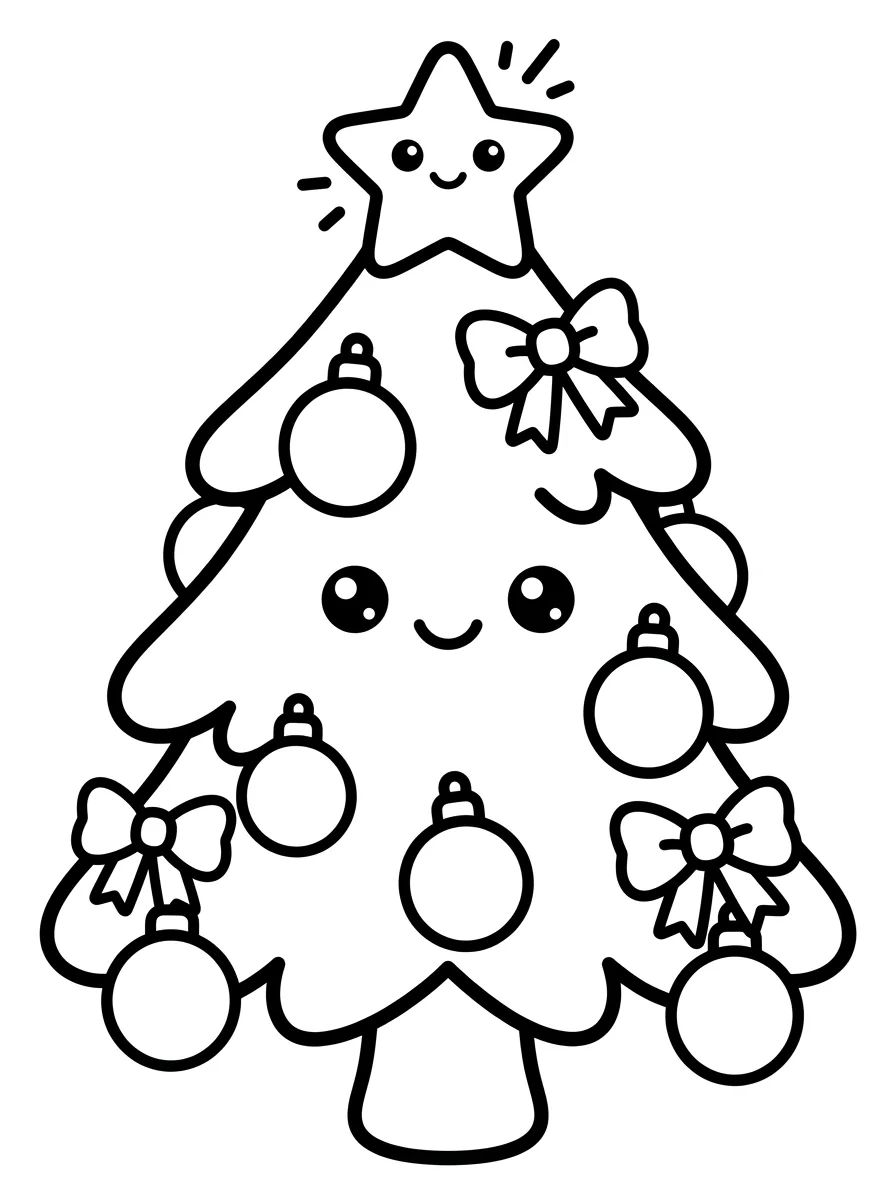
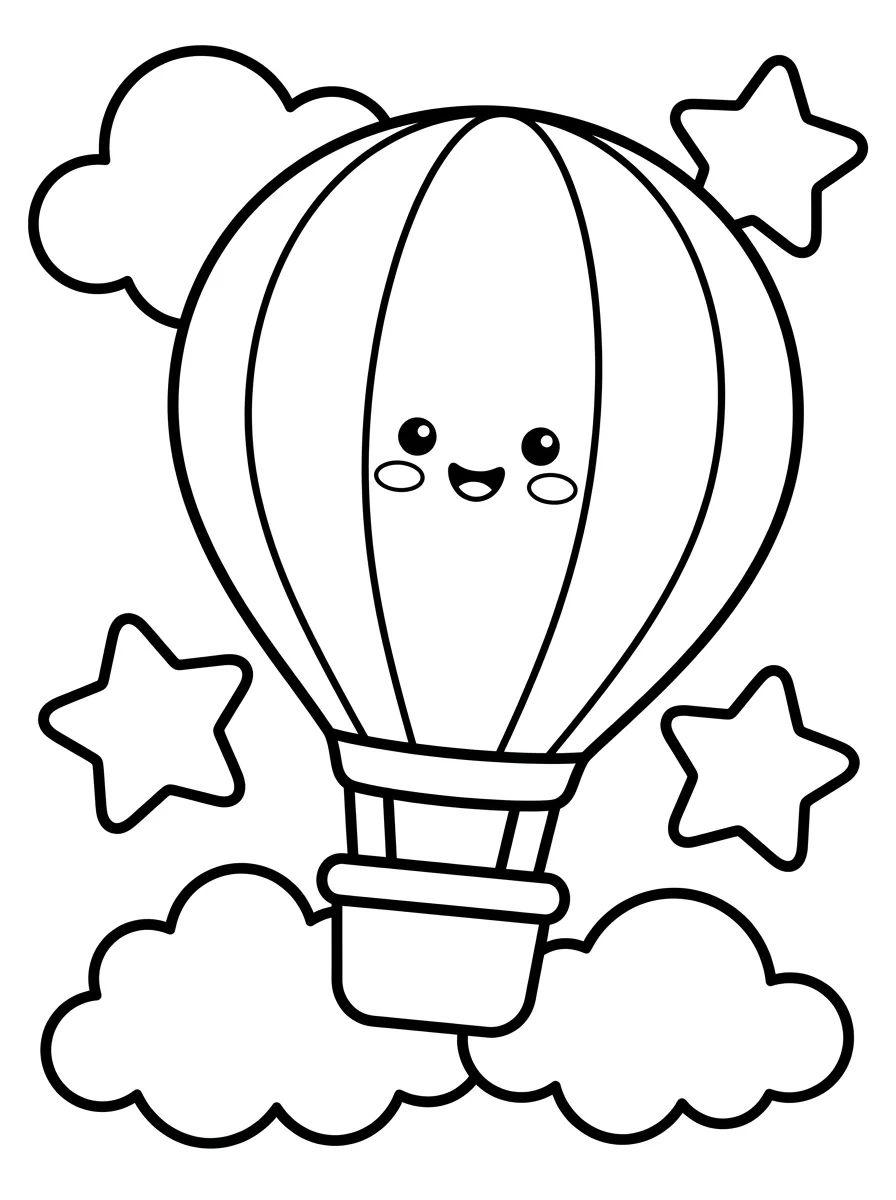
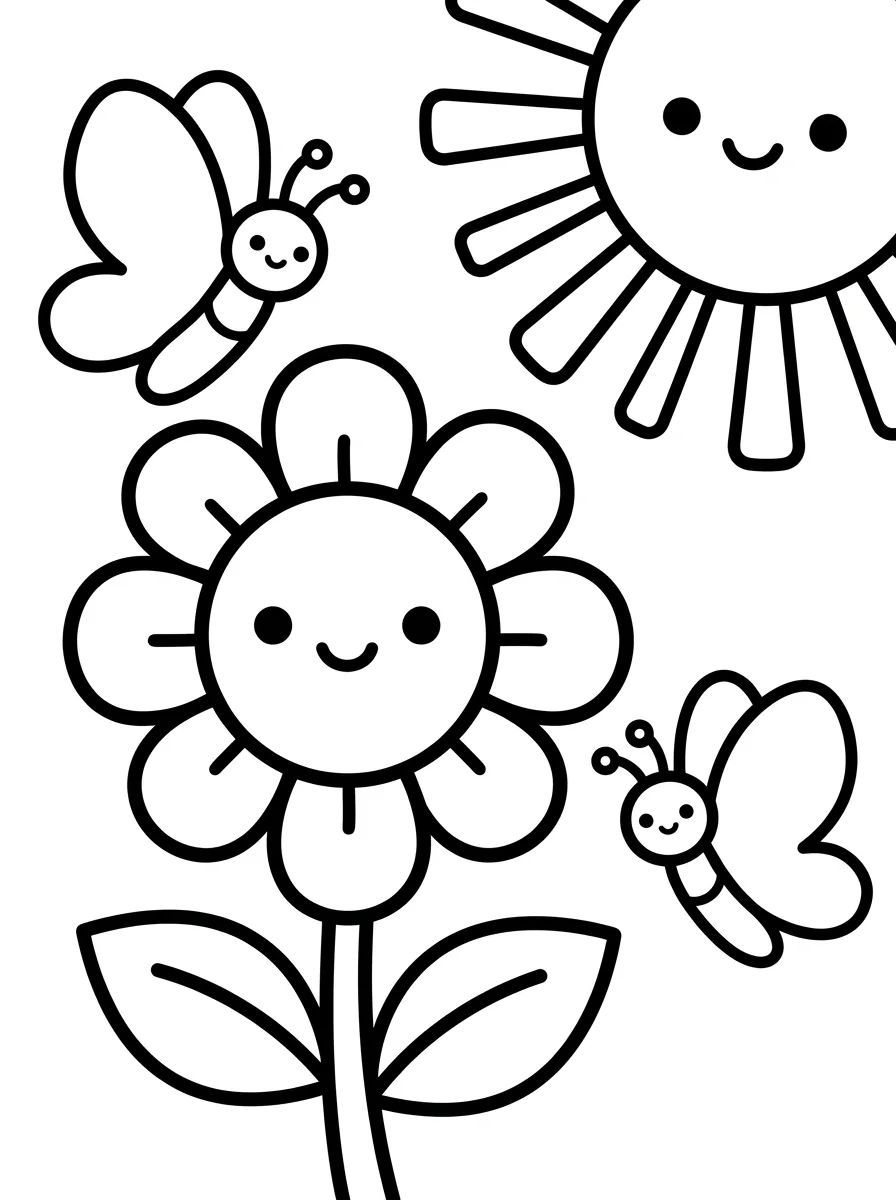
For those who love the art of bringing coloring pages to life, mastering light and shadow is the secret to turning a flat drawing into a vibrant, three-dimensional masterpiece. When you download your free printable coloring pages at Desenhando e Colorindo, you get the perfect foundation of kids' line art, ready to be explored with depth techniques.
Light determines where colors will be brightest, while shadow defines the object's volume and shape. In cute drawings, like animals or characters, applying a soft gradient helps create the illusion that the figure is popping off the page, making the coloring for kids experience much more educational and artistic.
Before putting pencil to paper, mentally define your light source. Imagine a sun or a lamp in one corner of your printed digital coloring book. Everything facing that point will be lighter; the opposite side will receive denser layers of pigment.
Essential Shading Techniques for Printable Art
There are several ways to apply shadows in coloring activities. The choice of technique depends on the tools you're using, whether it's colored pencils, crayons, or even online coloring with digital brushes. The key is to keep a light hand and build layers gradually.
Hatching and Cross-Hatching
This classic line art technique involves drawing parallel lines close to each other. The closer the lines, the darker the area. In cross-hatching, you overlap lines in different directions, creating a rich texture ideal for educational drawings that require representing fabric or rough surfaces.
Blending
Commonly used with colored pencils, blending involves smoothing the transition between dark and light colors. You can use a blending stump, a cotton ball, or even your finger (carefully, to avoid smudging) to mix the colors. This works perfectly on AI-generated drawings that feature organic and rounded shapes.
Quick Tip: Always start with the lightest colors. It's much easier to darken an area than to try and lighten a spot that has already received too much pressure from the pencil.
Identifying Shadow Zones in Educational Drawings
To apply the technique correctly to your coloring pages, you need to understand that a shadow isn't just a dark block. It is divided into zones that give realism to your printable art:
- Highlight: The area receiving direct light from the source.
- Midtone: The smooth transition between light and shadow.
- Core Shadow: The part of the object that receives no light.
- Cast Shadow: The shadow the object throws onto the surface it’s sitting on.
- Reflected Light: A small bright spot on the edge of the shadow, caused by light bouncing off the environment.
When working with free printable coloring pages, try to identify these points. If you're coloring an apple, the cast shadow on the ground helps ground the drawing, preventing it from looking like it's floating on the page.
Choosing Colors for Realistic Shadows
A common mistake in coloring for kids and beginners is using only a black pencil for shadows. Black can make the drawing look muddy or dull. To keep your coloring activities vivid, try using analogous or complementary colors.
For example, if you're coloring a green leaf, use a moss green, navy blue, or even purple for the shaded areas. This creates a much more natural and artistic depth in your coloring pages. The contrast between warm colors in the light and cool colors in the shadow is a professional technique you can apply to any kids' line art.
Using Complementary Colors
Complementary colors (opposites on the color wheel) are excellent for creating deep shadows without using black. Adding a touch of purple over yellow, or blue over orange, generates a dark neutral tone that maintains the chromatic richness of your digital coloring book.
Recommended Materials for Practicing Light and Shadow
While you can use any materials on the free printable coloring pages from Desenhando e Colorindo, some make learning depth techniques easier:
- Watercolor Pencils: Allow you to create smooth gradients with a damp brush.
- Graded Graphite Pencils (B, 2B, 4B): Ideal for those who prefer coloring in grayscale.
- Fineliners: Perfect for hatching techniques in classic line art.
- Heavyweight Paper: Helps withstand multiple layers of color without tearing or bleeding.
Regardless of the materials, consistent practice on cute drawings and various themes is what leads to perfection. Any quiet afternoon is an excellent time to sit down with the kids and explore these manual arts.
How Artificial Intelligence Helps in Studying Light
The AI-generated drawings available at Desenhando e Colorindo are designed with clear structures that make identifying volume easy. The AI creates kids' line art with precise perspectives, serving as an implicit guide for where shadows should go.
When downloading a modern tech-generated drawing, notice how the contour lines suggest curves. Use these visual cues to apply your shading. This is an innovative way to unite technology and traditional printable arts, stimulating the spatial perception of little artists.
The Importance of Contrast in Coloring Activities
Contrast is the difference between the lightest and darkest points of your drawing. Without contrast, coloring pages look washed out. When practicing on your free printable coloring pages, don't be afraid to push the pencil a bit harder in total shadow areas.
A good trick is to take a photo of your finished drawing and apply a black-and-white filter on your phone. If you can clearly distinguish shapes and volumes just by the shades of gray, your light and shadow work was successful. If everything looks like a uniform gray, it’s a sign you need to increase the contrast next time you color online or on paper.
Frequently Asked Questions
How do I shade cute drawings without making them look "heavy"?
To maintain the delicate look of cute drawings, use pastels or shades just slightly darker than the main color. Avoid black and prefer colors like lilac, light blue, or soft brown to define volume without losing the sweetness of the kids' line art.
What is the best direction for the light source when coloring?
There is no fixed rule, but light coming from the top left or right corner is the most common and intuitive. This creates diagonal shadows that are visually pleasing and easy to apply to character or landscape coloring pages.
Can I use markers for shading?
Yes, but it requires technique. With markers, the ideal way is to use pointillism (stippling) or overlap layers of similar colors. Make sure the paper of your free printable drawing is thick enough so the ink doesn't bleed through.
How do I teach light and shadow to toddlers?
Use simple analogies, like the shadow their own body makes on the ground on a sunny day. In educational drawings, ask the child to imagine where the sun is and paint the "warm side" yellow and the "cold side" blue or a darker color.
Conclusion
Mastering light and shadow is a fun and rewarding journey that adds a new dimension to your free printable coloring pages. Here at Desenhando e Colorindo, we offer a vast collection of coloring pages, from cute drawings to complex AI-generated art, ideal for testing these techniques. Pick your favorite theme now, grab your pencils, and start turning every stroke into a 3D work of art full of depth and creativity! 🎨✨
Escrito e revisado por Armando Amaro
Fundador do Desenhando e Colorindo. Todo artigo passa por curadoria e revisão humana antes de ser publicado.