Using Coloring Pages for Early Childhood Education at Home
25 de agosto de 2026

Discover how free printable coloring pages help child development and homeschooling in a fun, creative way this August.
Homeschooling reaches a whole new level when we integrate activities that spark creativity and fine motor skills. Coloring pages are powerful pedagogical tools—often underestimated—that offer real cognitive benefits. Especially during back-to-school season, using coloring sheets as a complementary resource can be the secret ingredient for playful learning. 🎨
The importance of coloring pages in cognitive development
When a child picks up a crayon or a colored pencil to fill in a blank space, they are exercising complex skills. The act of coloring requires focus, patience, and visual planning. At Desenhando e Colorindo, we believe every stroke is a learning opportunity.
Studies show that art activities help organize logical thinking. By choosing which colors to use in kids' line art, a child practices decision-making. This builds self-confidence, which is essential for both academic and personal success.
Moreover, consistent coloring practice helps stabilize hands for future writing. Coloring activities work like a pre-literacy stage, preparing the small muscles in the fingers for properly handling pens and pencils, making the school transition much smoother.
Developing fine motor skills and precision
Fine motor skills involve the use of small muscles in our fingers and wrists. By trying to stay inside the lines of an educational drawing, a child refines their spatial perception and muscle control.
This precision is vital for everyday tasks, like buttoning a shirt or using utensils. Offering printable art with different levels of complexity allows the child to evolve gradually, facing new motor challenges with every page.
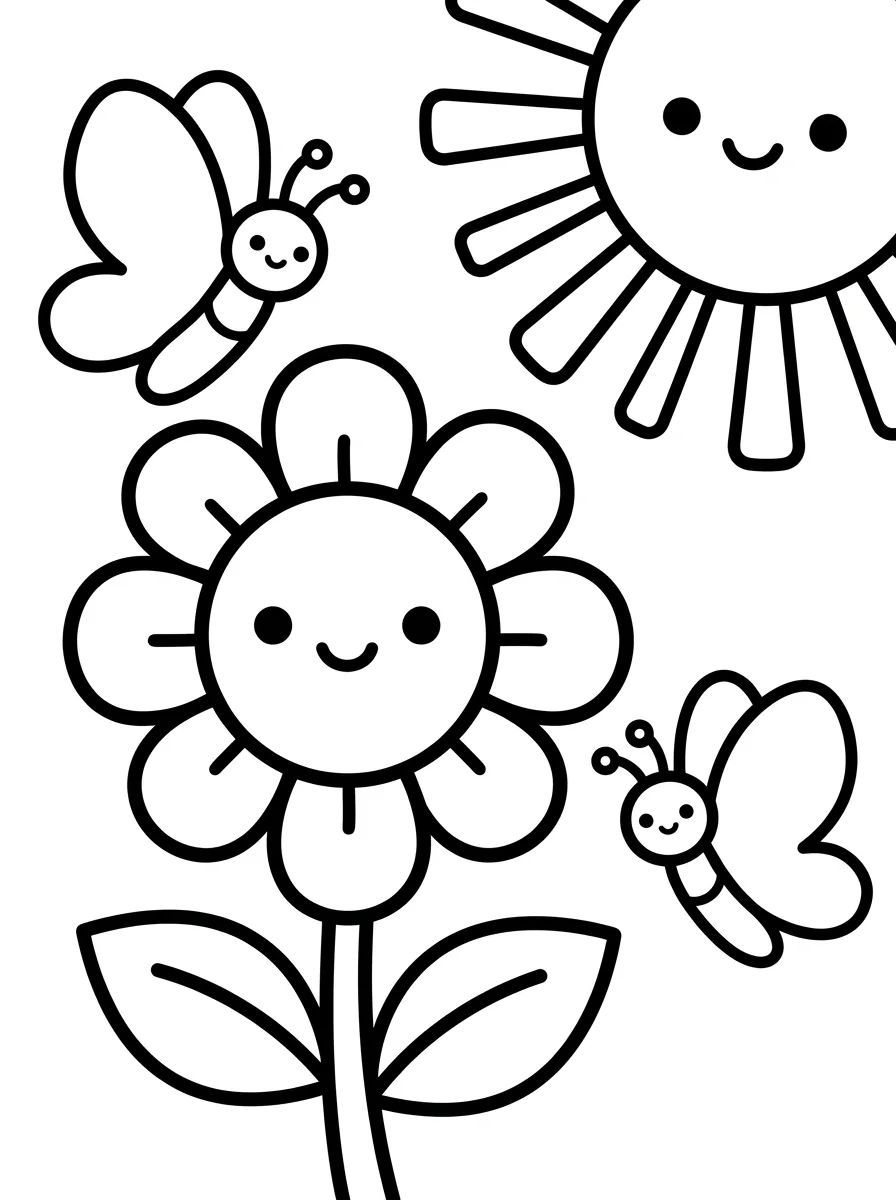
Quick Tip: For younger kids, start with drawings that have thick, simple outlines. As their skills grow, introduce line art with smaller details to encourage precise movement. ✏️
How to select educational drawings for each school stage
Not all drawings are created equal when it comes to educational value. For homeschooling, it’s important to select themes that resonate with what the child is currently experiencing or learning. During the school year, drawings related to the classroom environment can help reinforce their bond with studying.
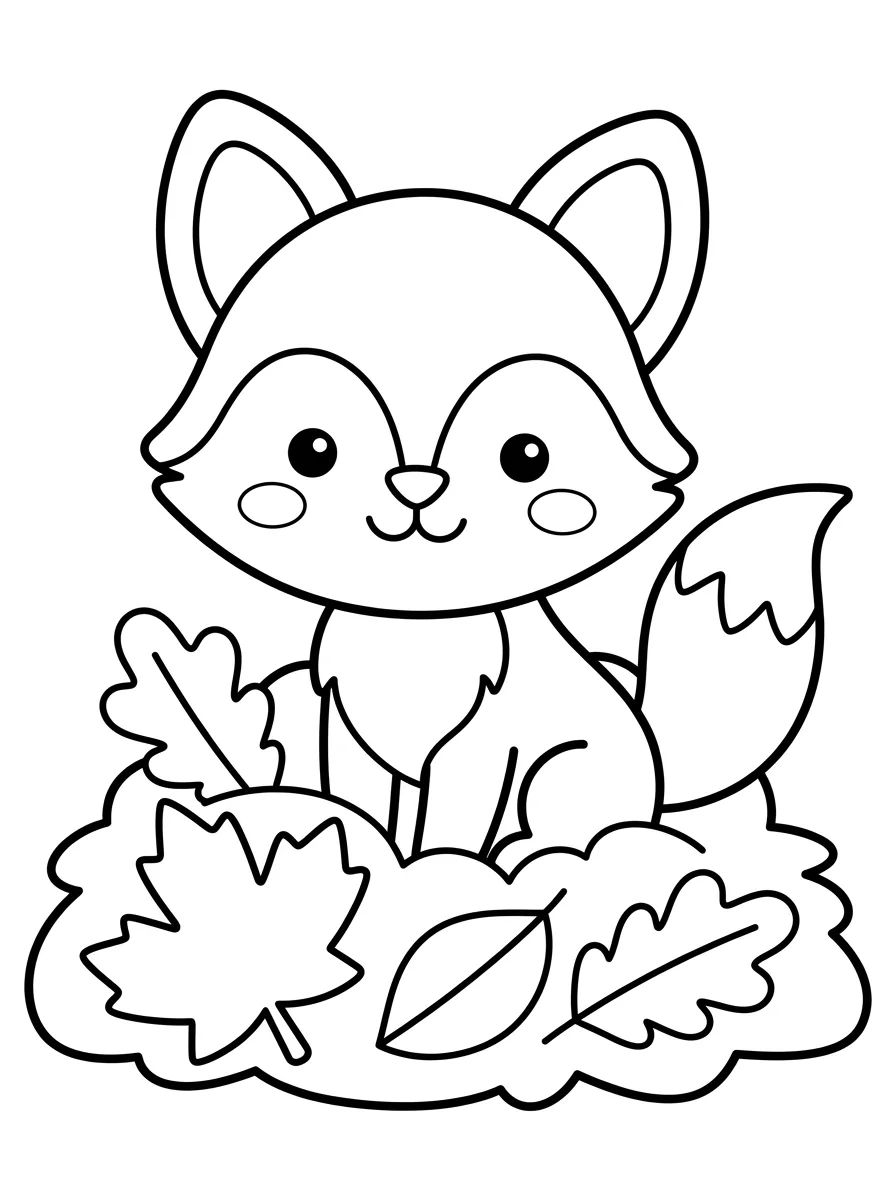
Using the digital coloring book on our site allows you to filter themes by interest. If your child is learning about animals, searching for cute animal drawings helps them memorize names and characteristics of each species while they paint.
For preschoolers, the focus should be on recognizing basic shapes and colors. For older children, AI-generated drawings that allow for complex scenes are ideal for stimulating storytelling based on the image.
- Beginner Level: Geometric shapes, fruits, and everyday objects with wide lines.
- Intermediate Level: Simple landscapes, detailed animals, and characters in action.
- Advanced Level: Mandalas, historical scenes, and complex AI-generated creations.
Integrating technology: AI drawings in education
Technology doesn't have to be a barrier; it can be an ally. At Desenhando e Colorindo, we offer AI tools that allow parents and teachers to create personalized coloring pages. This means you can generate a specific drawing about whatever topic you are teaching at that moment.
Imagine teaching about the solar system and being able to instantly print a unique drawing of the Milky Way. This agility keeps the child's interest alive. Artificial intelligence applied to coloring turns passive learning into an interactive, on-demand experience. 🤖
Additionally, online coloring is a great option when printing isn't available. It helps familiarize children with digital interfaces while maintaining an artistic and pedagogical focus without overstimulating games.
Emotional benefits and reducing childhood stress
Education isn't just about transmitting data; it's also about emotional well-being. The act of coloring is recognized by therapists as a form of active meditation. On rainy days or during busy school periods, sitting down to print for free and color a page can soothe the mind.
This activity reduces cortisol levels (the stress hormone) in children. By focusing on colors and shapes, they can express feelings they might not know how to put into words. It’s a moment of connection between parents and children, where conversation flows naturally while hands stay busy. ✨
Creating an environment conducive to creativity
For drawing to fulfill its educational role, the environment must be inviting. Always have a basic art kit handy. This shows that art is valued in the home and encourages the child to seek out the activity independently.
Desenhando e Colorindo suggests creating an "art gallery" on the kitchen wall or in the bedroom. Displaying finished coloring and printing pages reinforces a sense of accomplishment and pride in their work.
Strategies for using coloring pages in language learning
An effective technique for homeschooling is using coloring sheets to teach vocabulary in new languages. By painting a "Leão," a child associates the image with the word much more deeply than just reading it in a textbook.
You can print kids' line art and ask the child to label the colors used in English or Spanish. This multisensory approach activates different areas of the brain, making long-term memorization easier.
- Color association: Give instructions like "color the apple red."
- Visual dictionary: Create an album with colored drawings and their respective names.
- Bilingual stories: Encourage the child to describe the drawing in another language after coloring.
Organizing a coloring activity schedule
To keep coloring from becoming repetitive, organize a weekly schedule. You can dedicate each week to a different theme, taking advantage of the vast library of printable art available on our site.
In the first week, focus on nature; in the second, transportation; in the third, professions. This variety keeps curiosity sharp and ensures the child explores different color palettes and line styles.
Printing Tip: Always check your printer settings for 'eco-mode' or 'draft' if you are printing many drawings at once. This saves ink without compromising the outline quality for painting. 🖨️
Conclusion: Turning paper into learning
Using free printable coloring pages is a smart, economical, and extremely effective strategy to boost early childhood education at home. Whether through improving fine motor skills, stimulating creativity, or providing emotional support, the simple act of coloring opens doors to a world of discovery. At Desenhando e Colorindo, our commitment is to provide the best tools and images so that every study moment is also a joyful one.
Don’t wait—start transforming your children’s study routine today. Explore our full gallery of cute and educational drawings, use our AI technology to create something unique, and watch their imagination soar. Visit Desenhando e Colorindo and pick your favorite drawings to print now!
Frequently Asked Questions
What is the best age to start using coloring pages?
From 18 months old, children can start experimenting with crayons and broad-shaped drawings. The focus at this age is sensory exploration and the beginning of motor coordination, without worrying about staying inside the lines.
How do AI-generated drawings help in education?
AI allows for the creation of custom drawings that meet the child's specific interests or the current school topic, making learning much more engaging and straight to the point.
Is it better to color online or print the drawing?
Both are valid, but for developing fine motor skills and manual pressure control, printed drawings and physical pencils are recommended. Online coloring is great for color perception and quick fun.
Can I use the site's drawings for pedagogical purposes in the classroom?
Yes! The drawings on Desenhando e Colorindo are free and ideal for teachers who want to enrich their classes with high-quality educational coloring activities.
Escrito e revisado por Armando Amaro
Fundador do Desenhando e Colorindo. Todo artigo passa por curadoria e revisão humana antes de ser publicado.