Mastering Color Theory for Relaxing Mandala Coloring Pages
17 de setembro de 2026
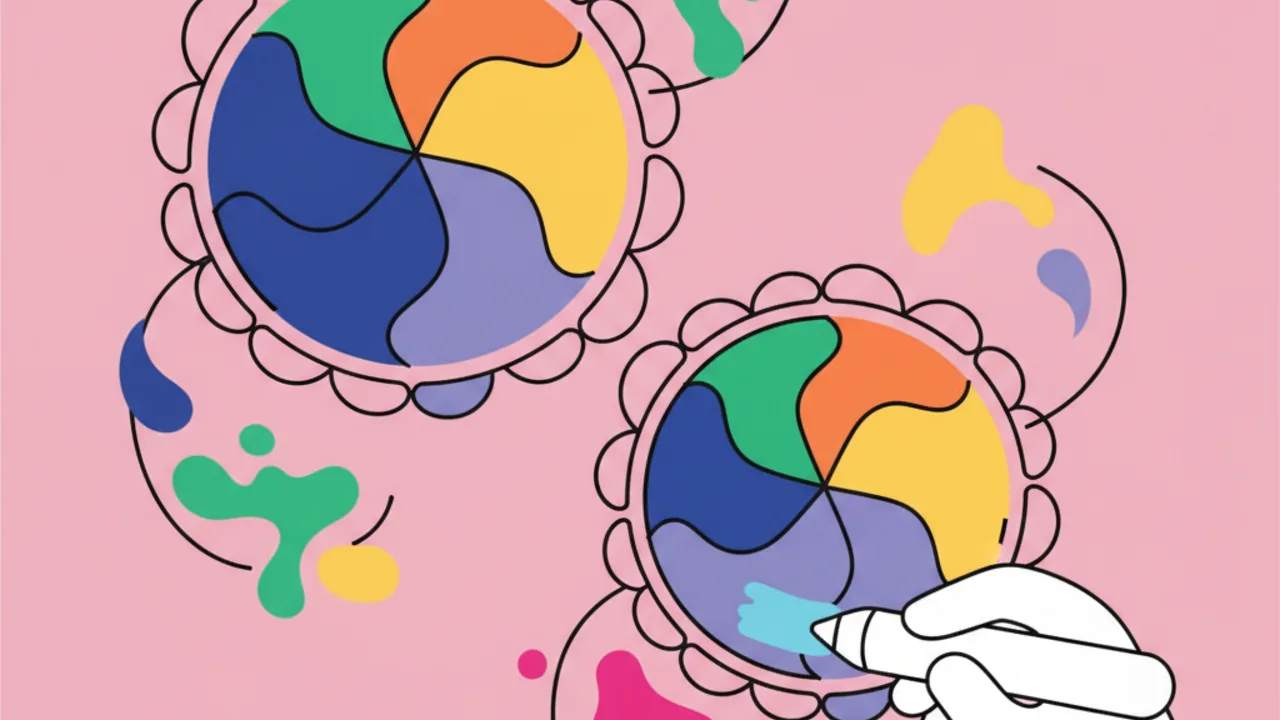
Learn how to apply color theory to your mandala coloring pages for a therapeutic experience. Create stunning, mindful art with tips from Desenhando e Colorindo.
Deep Dive into the Color Wheel for Coloring Pages
When picking out printable coloring pages at Desenhando e Colorindo, the first step to creating a balanced mandala is understanding the color wheel. This visual tool helps you pinpoint which colors vibe together, turning a simple hobby into a focused exercise in art therapy and design.
Color theory isn't just for the pros; kids and adults alike can benefit from picking shades that spark either peace or energy. For instance, you might take inspiration from seasonal floral tones to breathe life into your line art for kids and adult coloring sheets.
To start, identify the primary colors: blue, red, and yellow. Every other shade stems from these three. When coloring mandalas, the geometric repetition calls for a thoughtful choice of these combinations to maintain the visual balance the design demands.
Complementary Color Schemes for Mandalas
Complementary colors are those sitting directly opposite each other on the color wheel—think purple and yellow, or green and red. Using this scheme in your free printable coloring pages creates a vibrant contrast that makes the mandala pop right off the page.
While the contrast is high, it should be used with a light touch in relaxing designs. A pro tip is to choose one color as your main base and use its complement only for accents or the flower centers, ensuring your eyes don't get tired during the activity.
Many of our users at Desenhando e Colorindo love using complementary tones in complex geometric mandalas, as it helps distinguish different layers of the design, making the full pattern easier to appreciate once finished.
The Harmony of Analogous Colors and Relaxation
If your goal is deep relaxation, analogous colors are your best bet for your coloring sheets. These are neighbors on the color wheel, like blue, turquoise, and green. This combo creates a smooth transition that is incredibly soothing to the human brain.
When coloring mandalas with analogous tones, you create a natural gradient effect. Imagine starting from the center with a dark navy and expanding into lighter shades until you hit green on the outer edges. This mimics natural elements like the ocean or a lush forest.
Technical Tip: When using analogous colors, try varying your pencil pressure. This creates different depths even within the same palette, giving your printed drawing a professional look.
Warm Colors vs. Cool Colors
Color temperature directly affects your mood while you enjoy our free drawings. Warm colors (red, orange, yellow) evoke energy, warmth, and optimism. They are perfect for mandalas representing the sun or fire.
On the flip side, cool colors (blue, purple, green) bring calm, serenity, and freshness. They are ideal for some "me-time" before bed or to de-stress after a long day at work or school. At Desenhando e Colorindo, you’ll find options to suit both moods.
Mental Health Benefits of Coloring
Coloring mandala activities is a form of active meditation. The focus required to fill in tiny spaces helps quiet intrusive thoughts. Your choice of colors acts as a non-verbal language for your current emotions.
Studies suggest that the sacred geometry of mandalas, paired with color theory, can lower cortisol levels. By downloading our cute drawings or complex patterns, you’re carving out exclusive time for your mental well-being and unplugging from digital screens.
For children, this practice boosts fine motor skills and pattern recognition. It’s a powerful educational tool that Desenhando e Colorindo provides completely free for schools and families.
Painting Techniques and Recommended Materials
To get the best results for your printable art, your choice of tools is key. While colored pencils are a fan favorite for their versatility, other materials can take your work to the next level.
- Watercolor Pencils: Allow you to create soft backgrounds and fluid blends typical of professional paintings.
- Gel Pens: Excellent for adding sparkle and metallic details to small mandalas.
- Alcohol-based Markers: Offer solid, vibrant colors, ideal for thicker paper.
- Soft Pastels: Perfect for finishing the edges of the mandala, creating a soft aura of color.
Regardless of the material, the secret is patience. Always start from the inside out to avoid smudging the paper with your hand. If you’re using our online coloring feature, experiment with the auto-gradient tools to see how colors merge.
How to Pick the Perfect Mandala at Desenhando e Colorindo
Our library of drawings to color and print features thousands of options. To apply color theory effectively, pick a mandala that matches your current skill level.
Beginners might prefer mandalas with larger spaces to practice uniform filling and primary colors. Advanced colorists can look for AI-generated drawings or detailed mandalas with fine lines, which demand more complex palettes like triadic or tetradic schemes.
Remember, there is no right or wrong in art. Color theory is a guide, but your intuition should have the final say. Desenhando e Colorindo gives you the freedom to print as many times as you want to test different color variations on the same design.
Organizing Your Digital Coloring Book
You can create your own digital coloring book by downloading your favorite categories. Organize your mandalas by complexity or theme (nature, abstract, geometric). This makes it easy to pick a design based on how much time you have for the activity.
Keeping an organized folder on your computer with your favorites from Desenhando e Colorindo ensures that, even offline, you have access to moments of leisure and creativity. Just select, print, and start your color journey.
Tips for High-Quality Printing
For your color theory to shine on paper, print quality is essential. Follow these tips to ensure your coloring pages look perfect:
- Paper Weight: Use at least 28lb (120g) paper if you plan on using markers or watercolors to prevent bleed-through.
- Printer Settings: Select "Best Quality" or "Photo" mode so the black outlines stay crisp and sharp.
- Scale Adjustment: Make sure the drawing is set to "Fit to Page" on A4 or Letter size to catch every mandala detail.
- Print Head Cleaning: Keep your printer maintained to avoid streaks in the line art.
Printing Tip: If you love markers, print on laser paper or specific marker paper, which prevents the ink from feathering outside the lines.
Exploring Creativity with Educational Drawings
Using mandalas as educational drawings helps teach geometry and symmetry to kids. By explaining why blue looks great next to green, you’re teaching basic concepts of optics and aesthetics in a fun way.
At Desenhando e Colorindo, we believe art is for everyone. That’s why our coloring for kids tools are designed to be intuitive. Applying color theory in children's drawings encourages decision-making and self-expression from an early age.
Whether you are a teacher looking for classroom materials or a parent seeking quality entertainment, mandala drawings offer a vast field for artistic exploration and lifelong learning.
Frequently Asked Questions
What are the best colors for a relaxing mandala?
The best colors are cool tones like shades of blue, green, and lavender. These colors have psychological properties that promote calm and help reduce anxiety during the coloring process.
Can I print drawings from Desenhando e Colorindo for school use?
Yes! All our free printable coloring pages are available for educational, home, and therapeutic use. You can print as many copies as needed for your class or family.
How do I make a nice gradient with colored pencils?
For a smooth gradient, start with light pressure and gradually increase force as you move through the color. Use a mid-tone or a white pencil to burnish the transition between two different shades.
What is the difference between coloring online and printing the drawing?
Online coloring is great for testing quick combos and is eco-friendly. Printing the drawing offers a full sensory experience, helping with motor skills and providing a real break from screen glare.
Now that you've mastered color theory, how about putting it into practice? Browse our categories and pick your favorite coloring pages to print. At Desenhando e Colorindo, your creativity knows no bounds. Print your mandala now and start creating a unique masterpiece!
Escrito e revisado por Armando Amaro
Fundador do Desenhando e Colorindo. Todo artigo passa por curadoria e revisão humana antes de ser publicado.