Creative Ways to Turn Educational Coloring Pages into Fun Activities
23 de setembro de 2026
Discover how to use printable coloring pages as fun educational tools, turning learning time into moments of pure creativity for your little ones.
The Role of Coloring Pages in Childhood Development
Using printable coloring pages goes way beyond simple entertainment. By offering a blank sheet with defined outlines, we provide children with a golden opportunity for motor and cognitive exploration. Especially during back-to-school season, when classroom activities are in full swing, using coloring sheets as a pedagogical tool helps reinforce content in a lighthearted way.
When a child grips a crayon or a colored pencil, they are working on fine motor skills, which are essential for later learning how to write. The pressure applied to the paper and staying within the lines teach spatial awareness. At Desenhando e Colorindo, we believe every stroke is a step toward mastering handwriting and artistic expression.
Integrating Colors and Concepts
To make the activity even more playful, you can associate colors with basic concepts. For example, when choosing fruit drawings, educators can encourage children to research the real colors found in nature. This transforms the act of coloring into a mini-lesson in natural sciences, blending fun with real-world observation.
The Importance of Line Art in Education
Kids' line art is the perfect foundation for visual learning. Drawings with clear lines and diverse themes allow the brain to process geometric shapes and proportions intuitively. By printing free coloring pages, parents and teachers ensure a constant flow of fresh material, keeping the child’s interest alive and well.
Furthermore, educational coloring activities can be organized by weekly themes. If the lesson is about the deep sea, selecting coloring pages featuring fish, coral, and whales helps create an immersive environment. The child doesn't just hear about the subject—they "build" the visual of that ecosystem through their choice of colors.
Printing Tip: For high-detail drawings, try using paper heavier than 24lb (90g). This prevents markers from bleeding or pencil pressure from tearing the sheet, ensuring a much more rewarding experience.
Turning Drawings into Creative Challenges
One way to make the experience more dynamic is to create small challenges. Instead of just handing over the page, you can suggest fun restrictions, like: "Let's only use primary colors for this one?" or "Can you color this animal using only dots?". This stimulates problem-solving and builds patience.
The use of AI-generated drawings is also gaining ground, offering innovative outlines that challenge traditional perception. On our portal, we mix classic and modern styles so children can interact with different visual aesthetics, enriching their cultural repertoire from an early age.
Promoting Focus and Concentration
In a world full of screens and instant gratification, sitting down to finish a digital coloring book or a printed page is an exercise in patience. Children learn that great results take time and dedication. This focus carries over into other subjects, like math and reading, where attention to detail is key.
Methods for Using Drawings in the Classroom
Teachers can use educational drawings as a starting point for creative writing. After coloring a character, ask the student to name them and describe where they live. This organically integrates art and language arts.
- Color Dictation: The teacher directs which color to use for each part of the drawing, working on active listening skills.
- Mural Creation: Join several cute coloring pages finished by students to create a collective display on a specific theme.
- DIY Puzzle: After coloring, the child glues the drawing onto cardstock and cuts it into pieces to assemble later.
Emotional Benefits of Coloring for Kids and Adults
Painting is a form of non-verbal expression. Children often express feelings through their color choices. Vibrant tones can indicate joy, while darker shades might be used during moments of introspection. It’s a valuable self-discovery tool for parents and therapists alike.
For adults, online coloring or paper-based art serves as stress-relief therapy. The repetitive motion of the pencil induces a state of deep relaxation, similar to meditation. Having access to free printable coloring pages makes this habit easy to start, allowing anyone to begin their artistic journey at no cost.
Coloring as a Family
Turning coloring time into a family event strengthens bonds. Sitting at the table with the kids, away from cell phones, and sharing a set of colored pencils creates powerful emotional memories. It’s the perfect time to chat about the day while everyone works on their printable art.
Painting Techniques to Explore with Children
Don't just stick to traditional colored pencils. There are several techniques that can be applied to the coloring pages available at Desenhando e Colorindo. Experimenting with different materials expands a young artist's tactile and visual perception.
- Sponge Painting: Ideal for filling large areas and creating interesting textures.
- Watercolor Pencils: Teaches the transition between dry drawing and wet painting.
- Mixed Media/Collage: Use beans, shredded paper, or fabric scraps to add 3D elements to the line art.
- Gradients: Teach the child to blend two colors on the paper to create a third one.
Artistic Tip: Try using a white crayon before applying watercolor. The crayon creates a wax barrier that won't absorb the water, revealing magical patterns in the drawing!
How to Organize a Collection of Educational Drawings
Keeping an organized folder of coloring pages makes your routine much easier. You can separate them by category: animals, nature, geometric shapes, and letters. On our site, we make this search simple so you can find exactly what you need for a lesson plan or a rainy afternoon at home.
Organization also helps with progression. Start with thick outlines and fewer areas for younger children, and move on to cute drawings with more detail as their coordination improves. This prevents frustration and keeps motivation high.
Frequently Asked Questions
What is the best age to start using coloring pages?
Children as young as 18 months can start scribbling. However, using printable coloring pages with defined outlines is most beneficial from age 3 onwards, when spatial awareness begins to develop.
Can I use the drawings from the site for pedagogical purposes?
Yes! All of our free drawings are designed to help parents and teachers with educational and recreational activities. Printing for classroom or home use is fully encouraged.
Does online coloring replace paper?
Online coloring is an excellent tool for developing mouse or touch coordination and is very practical for travel. However, the tactile experience of paper and pencil is irreplaceable for full fine motor development.
How do I encourage a child who doesn't like to color?
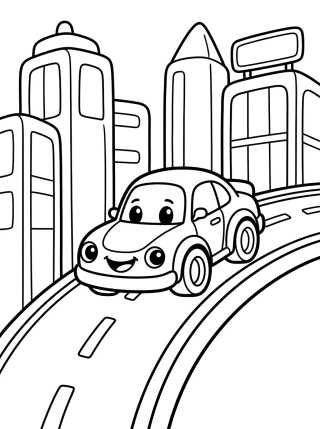
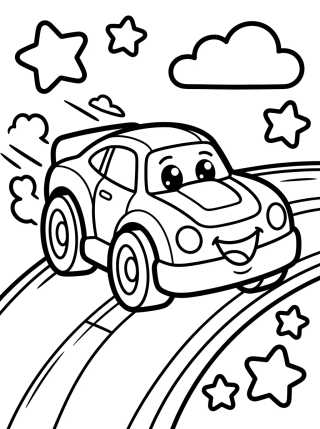
The secret is finding themes they love. If the child likes dinosaurs or cars, offer specific kids' line art on those topics. Don't force perfection; let them explore colors freely so the activity is associated with pleasure, not a school chore.
Conclusion
Turning education into something playful is the shortest path to effective and lasting learning. Printable coloring pages are powerful allies in this journey, acting as bridges between imagination and concrete knowledge. Whether at home or at school, providing moments for art is an investment in our children's creative future. Don't wait—start now: pick your favorite themes, get your pencils ready, and enjoy our free printable coloring pages to bring new stories to life!
Escrito e revisado por Armando Amaro
Fundador do Desenhando e Colorindo. Todo artigo passa por curadoria e revisão humana antes de ser publicado.