Mastering Color: How Studying Line Art Boosts Your Skills
31 de agosto de 2026

Discover how observing professional drawings and line art can sharpen your coloring techniques. Learn to color like a pro with our tips and free printables! 🎨
The Art of Observation in the World of Coloring Pages
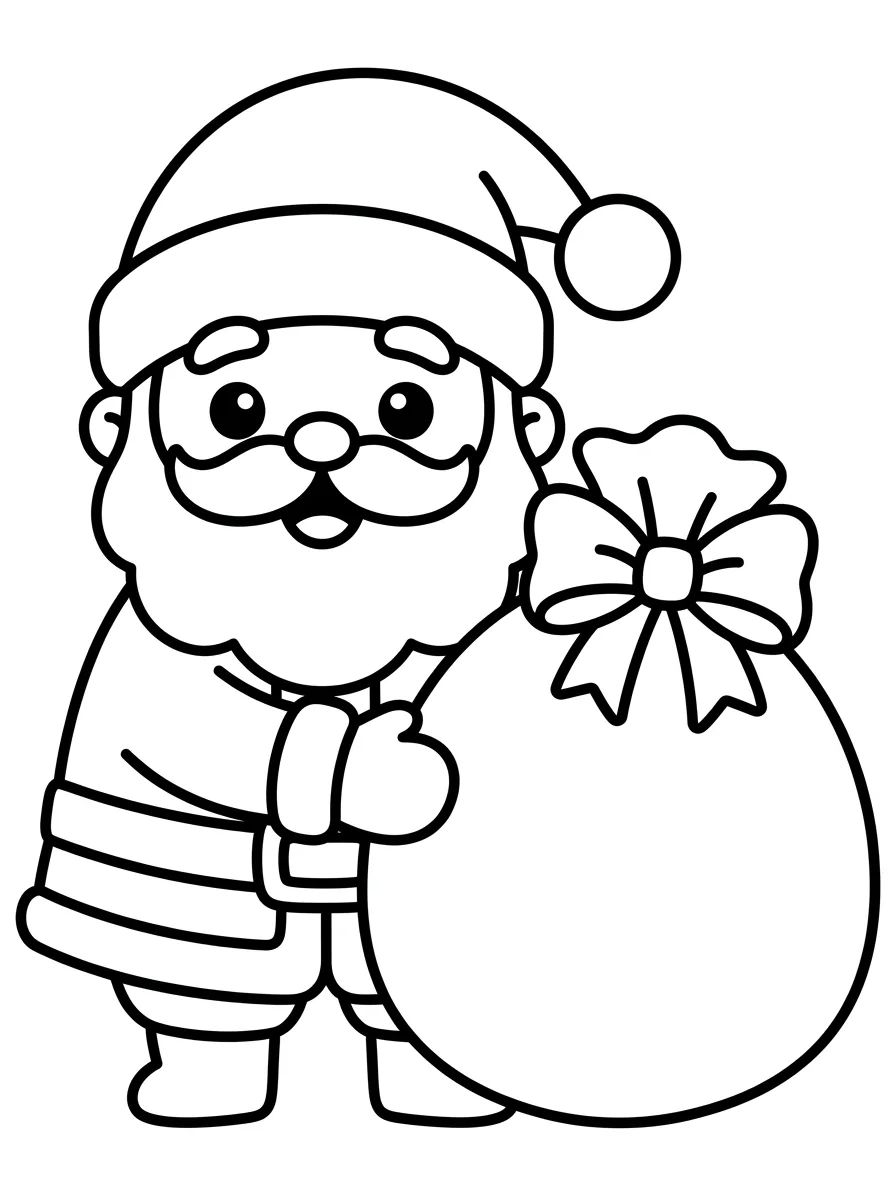
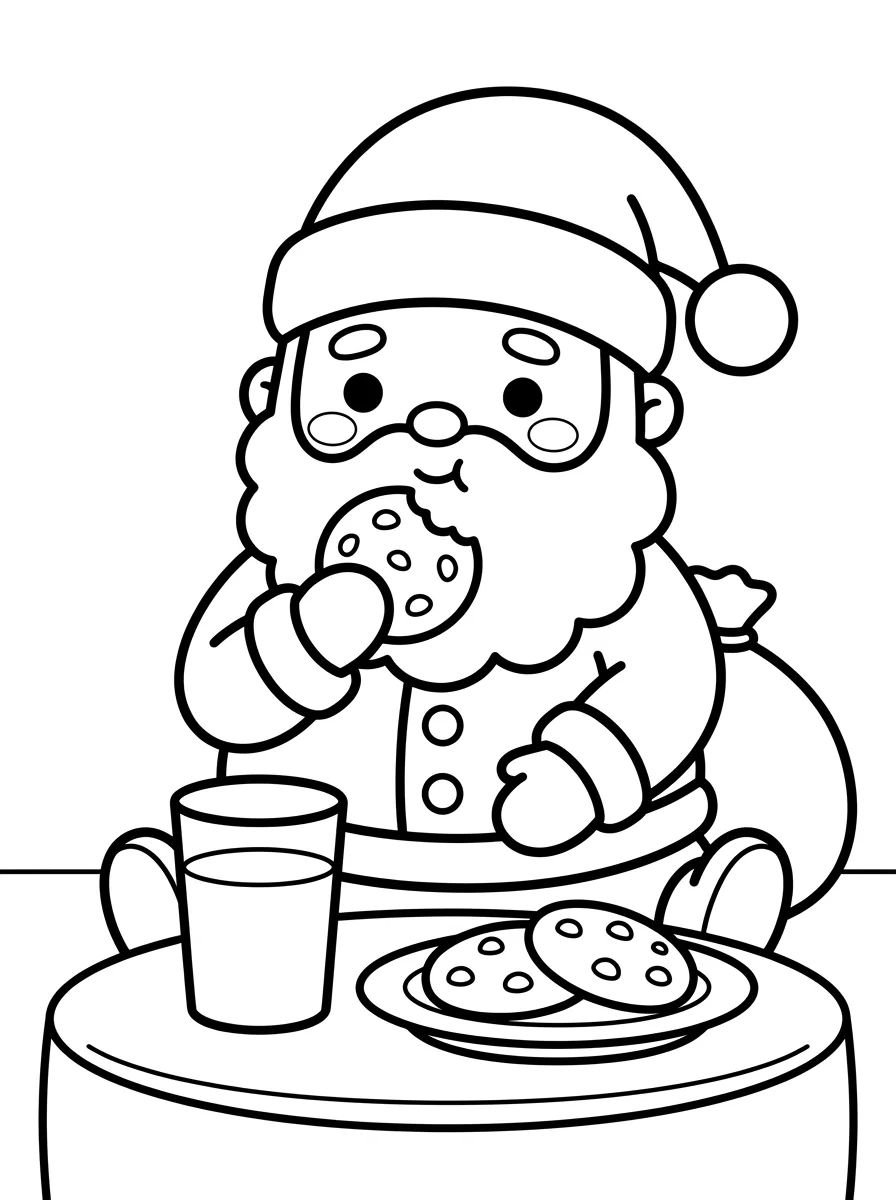
Taking a close look at a kids' line art or a complex illustration is the first step for anyone looking to level up their painting game. Often, the rush to put pencil to paper stops us from noticing subtle details that make all the difference in the final result of the activity.
During these cozy indoor days, spending time analyzing the structure of images helps you understand depth, light, and shadow. When you choose free printable coloring pages on the Desenhando e Colorindo website, you are facing a unique visual learning opportunity.
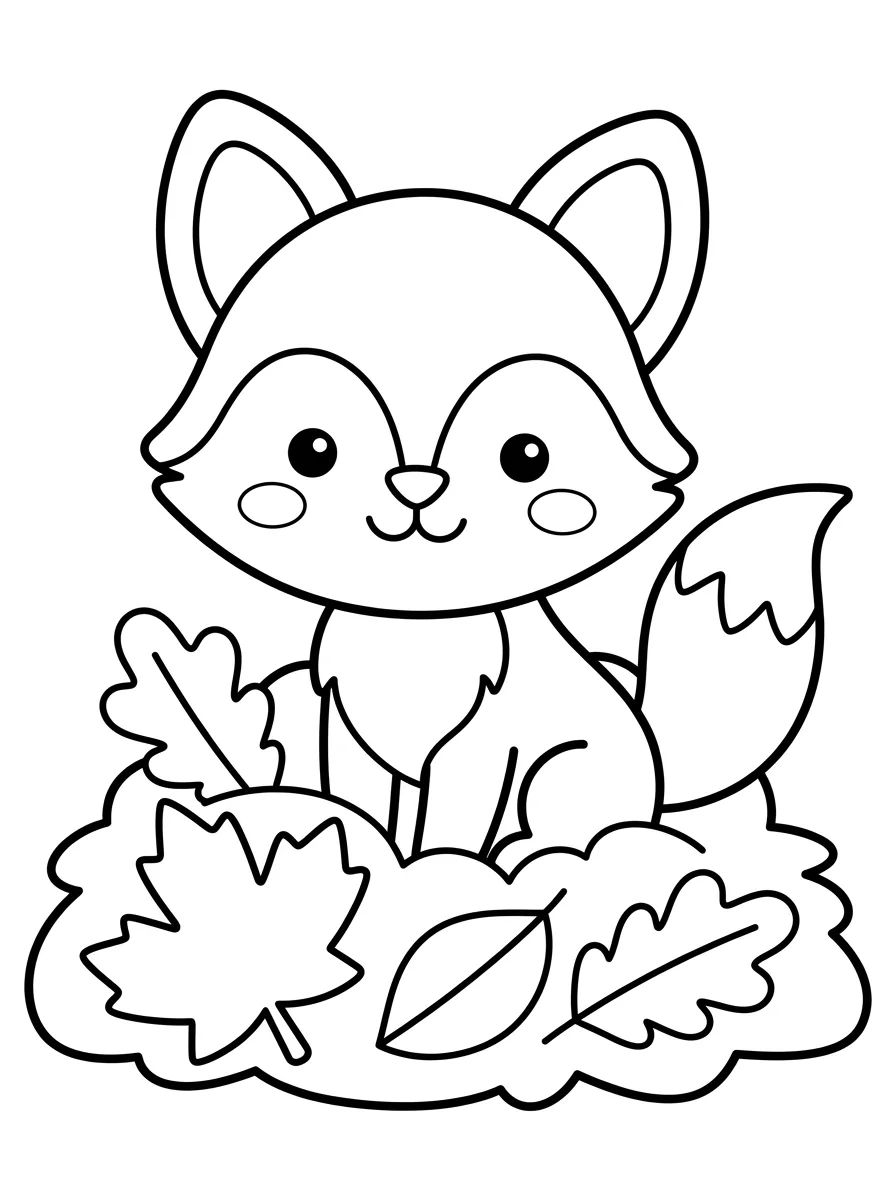
Mindful observation isn't just about seeing; it's about understanding how lines connect. When looking at an animal drawing, for example, notice where the lines are thicker and where they are thinner. This indicates where the color should be bolder or softer.
Why Analyze Line Art Before You Start?
Line art is the skeleton of any illustration. Before applying colors, understanding this structure allows you to plan your color palette more strategically. By observing the white spaces, you can visualize where the highlights will be.
For children, this practice develops focus and patience. Instead of just filling in spaces, they begin to understand the shape of objects. Our educational drawings are designed to facilitate this clear visual perception.
Additionally, analyzing the composition helps you decide whether to use colored pencils, crayons, or watercolors. Every stroke suggests a different texture, and prior observation is the secret of the masters of coloring pages.
Identifying Imaginary Light Sources
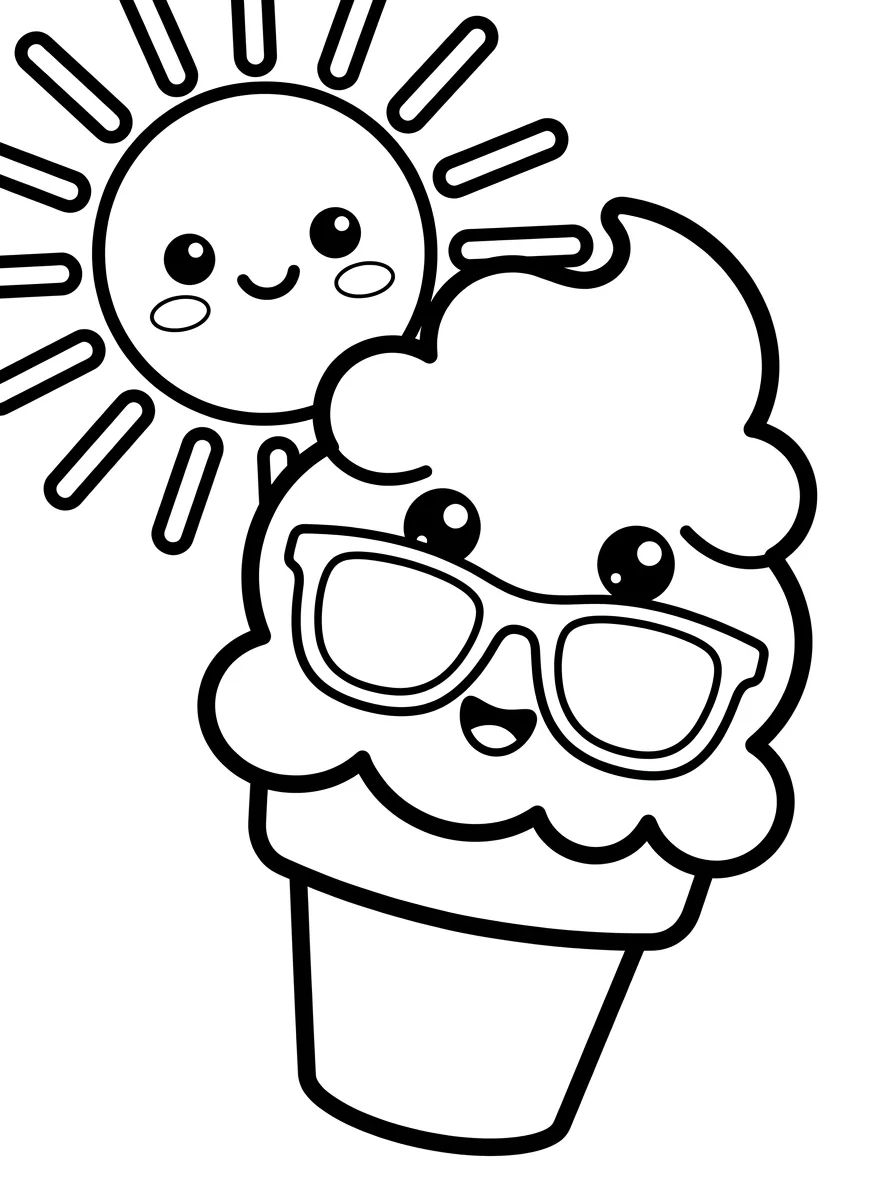
Even in cute drawings and simple sketches, there is a logic to lighting. While observing the image, imagine where the sun or a lamp is coming from. This will help you decide which areas should be colored with lighter tones and which call for darker shadows.
Try to identify if the drawing has many small details or large open areas. Drawings with lots of details require very sharp pencil tips, while larger areas allow for broader circular or linear shading techniques.
Observation Techniques for Beginners and Pros
There are specific methods to train your eyes. One is the blind contour technique, where you look at the drawing without looking at your paper while trying to replicate the movement mentally. This creates a strong neural connection with the shapes of the digital coloring book.
Another technique is decomposing images into geometric shapes. When looking at a complex character, try to see the circles, triangles, and squares that make it up. This demystifies the image and makes coloring much more intuitive and less intimidating for beginners.
Pro Tip: Before you start coloring, trace the outlines of the printed drawing with your index finger. This helps your brain map out the distances and curves of the image, improving your motor precision.
Using Visual References
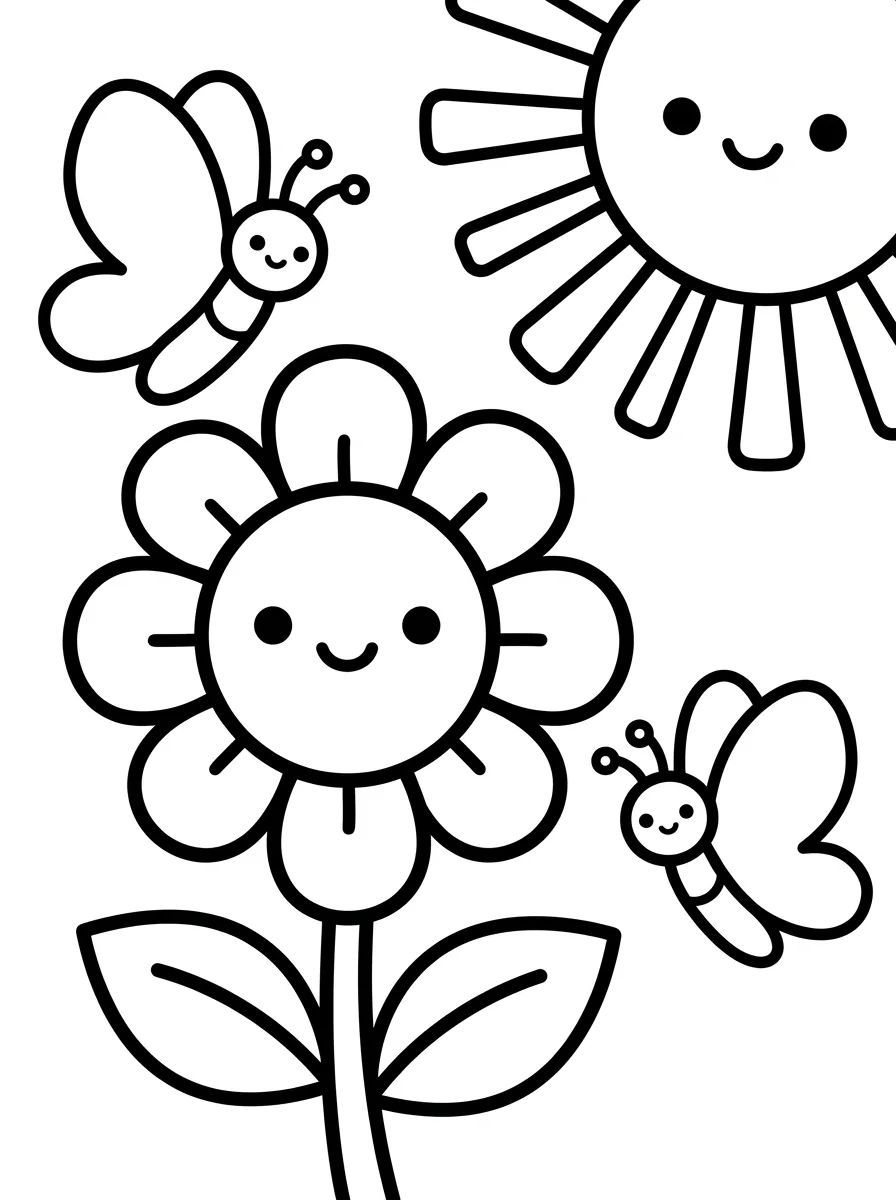
Observing real nature while looking at your free printable drawings is an excellent way to learn. If you are coloring a flower, look for photos of real flowers to understand the color gradients on the petals.
Desenhando e Colorindo offers a wide range of themes that allow for this comparison. Use technology to your advantage: search for online coloring to see how other users have applied shadows and lights to similar themes.
Benefits of Studying Completed Drawings
Studying how other artists finish their work is like a free art class. By observing colored illustrations, you learn about color harmony and contrast. This enriches your repertoire for when you have your own coloring pages in hand.
- Volume Perception: Learning to turn a flat surface into something three-dimensional through color.
- Color Harmony: Observing which colors pair best on the color wheel.
- Texturing: How to simulate animal fur, scales, or fabrics using only painting strokes.
- Focus on Detail: Training your eyes to avoid leaving unwanted white spaces at the edges of the line art.
AI-Generated Drawings and New Perspectives
Nowadays, AI-generated drawings offer unique and complex patterns that challenge our traditional perception. Observing these images is fascinating, as they usually feature mathematically precise details and perfect symmetries.
When downloading these printable art pieces, take extra time to notice the repetitive patterns. Coloring these patterns is a form of active meditation, but prior observation ensures you don't get lost in the middle of the coloring activity.
How to Apply What You've Observed
After spending a few minutes just looking, start painting the areas you analyzed the most. If you noticed a specific shadow under a character's arm, start there. This validates your observation and gives you the confidence to finish the rest of the coloring drawing.
Materials and Their Relationship with Observation
The choice of paper and pencil also involves observation. Notice the texture of the paper you used to print for free. More porous papers absorb more pigment and require more observation regarding hand pressure.
- Watercolor Pencils: Requires observing how water reacts with the pigment on the paper.
- Felt-tip Markers: Require extra attention to line boundaries to avoid smudging.
- Crayons: Great for observing color mixing through layering.
- Digital Painting: Allows you to observe layers and opacities dynamically.
The Importance of Taking Breaks While Painting
Often, we get so immersed in the coloring activity that we lose perspective. Stepping away for a few minutes and observing the drawing from a distance helps identify areas that need more color or where the contrast is too low.
This practice of stepping back and observing is common among professional painters. When you return to the paper, your vision will be refreshed, allowing you to finish your coloring pages with much higher quality and visual harmony.
Frequently Asked Questions
How long should I spend observing before coloring?
There is no fixed time, but dedicating 2 to 5 minutes to analyze the lines and imagine the colors already makes a huge difference in the quality of your final work.
Does observing drawings help with child development?
Yes, it helps develop spatial perception, pattern recognition, and concentration skills, making it an excellent educational activity.
Can I use online drawings as a reference for printing?
Absolutely. You can view colored versions online for inspiration and then apply your own ideas to our free printable drawings.
What is line art and why is it important?
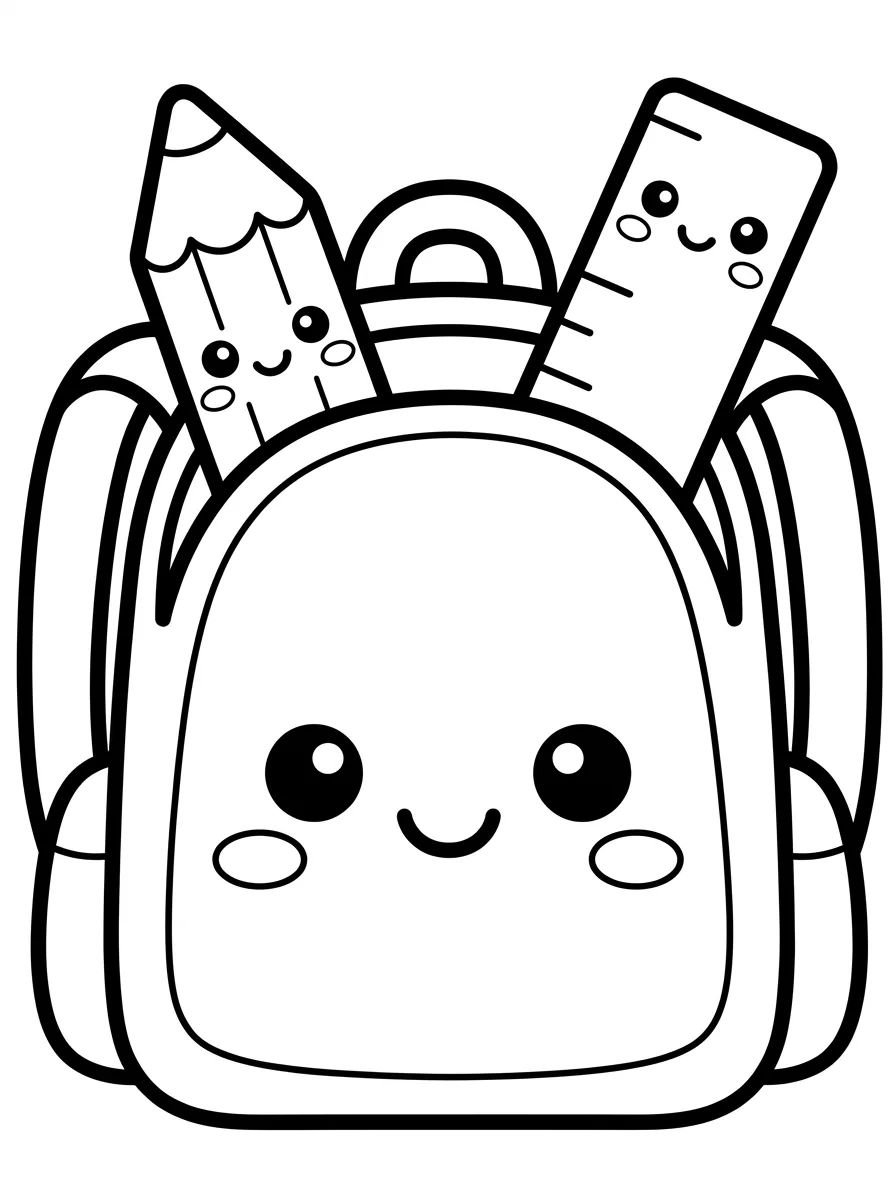
Line art is a drawing composed only of black lines on a white background. It is the fundamental base for coloring, defining the edges and shape of every element in the image.
Now that you know how observation can transform the way you paint, how about putting this knowledge into practice? Explore our vast gallery at Desenhando e Colorindo, pick your favorite themes, and enjoy our free printable coloring pages right now to create incredible works of art!
Escrito e revisado por Armando Amaro
Fundador do Desenhando e Colorindo. Todo artigo passa por curadoria e revisão humana antes de ser publicado.