Como Fazer Traços Perfeitos em Desenhos para Colorir
21 de setembro de 2026
Descubra técnicas simples para fazer traços perfeitos em desenhos para colorir e imprimir, melhorando a precisão do seu line art e garantindo artes incríveis.
The Importance of Precision in Kids' Line Art
Developing the skill to create precise lines is the first step for anyone looking to level up their coloring activities. In the world of printable coloring pages, a line isn't just a border; it’s the structure that defines image clarity, making it easier to apply color whether on paper or in online coloring games.
For the children and adults who use Desenhando e Colorindo, understanding how to control your hand and your chosen tool transforms a playful moment into an educational art practice. A steady line prevents smudges and ensures that your digital coloring book or physical print has a professional finish, even if it's just for home fun.
In this complete guide, we’ll explore techniques ranging from muscle warm-ups to using digital tools, ensuring your coloring sheets look flawless, whether you're a parent teaching your child or a graphic arts enthusiast looking to sharpen your skills.
Ideal Equipment for Sharp Lines
Before you start drawing, choosing the right tools is essential. To get high-quality free printable coloring pages, your materials directly influence the fluidity of your movement. Soft graphite pencils (like 2B or 4B) are excellent for sketching, while fineliners or technical pens are essential for the final outline.
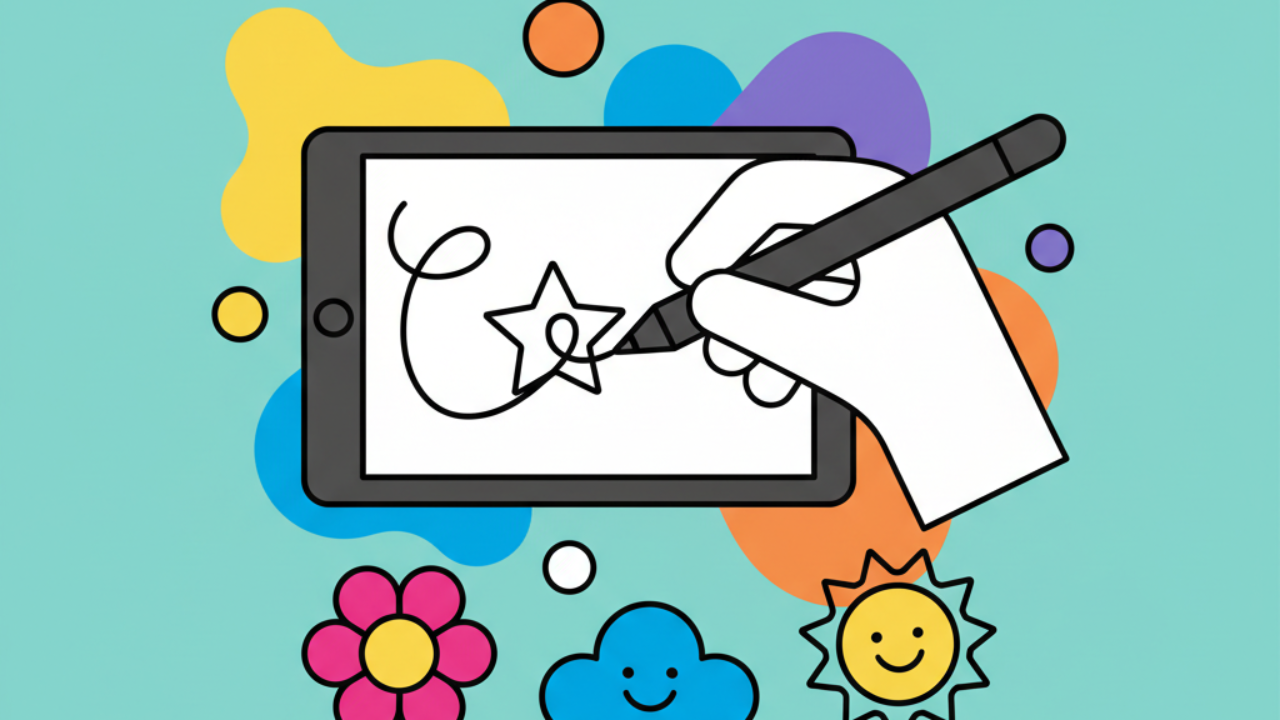
If you prefer digital art, using a drawing tablet with pressure sensitivity is the secret to creating high-quality line art for kids. Modern software allows for line stabilization, which helps beginners avoid the "shaky lines" so common in the early steps of their artistic journey.
Additionally, the paper you print on makes a difference. Paper with a weight above 90g (24lb) prevents ink bleeding, keeping your cute drawings sharp and ready for colored pencils or crayons without tearing or ghosting on the back.
Warm-Up Exercises for Your Hand
Many artists skip the warm-up, but it's vital for line fluidity. Just like an athlete, your hand needs to get loose. Start by drawing repetitive circles on a scrap piece of paper before moving on to your final educational drawings.
Another effective exercise is drawing parallel lines. Try to fill an entire sheet with vertical, horizontal, and diagonal lines without using a ruler. This builds muscle memory, so when you're outlining animal drawings or characters, your hand follows the natural flow of the drawing automatically.
Practicing "artistic calligraphy" also helps. Try making continuous waves and spirals without lifting the pen from the paper. This continuity is what defines the success of many AI-generated drawings today, which seek to mimic the smoothness of well-executed human strokes.
How to Control Pen Pressure
Varying your pressure is what brings coloring pages to life. A line with the same thickness throughout the art can look flat and dull. To create depth, apply more pressure in shadow areas and less pressure where light hits or on smaller details.
- Use thicker lines for the outer silhouette of the figure.
- Keep lines thin for internal details, like skin textures or grass.
- Practice smooth pressure transitions in a single line, going from thick to thin.
- Avoid gripping the pencil too close to the tip, which can cause excessive stiffness.
This line-weight technique is widely used in creating professional printable art, as it guides the eyes of the person coloring, making it easier to identify the main shapes of the drawing.
Pro Tip: When doing the final outline, try not to press your wrist down hard on the paper. Let the movement flow from your elbow and shoulder for long, curved strokes, ensuring greater range and stability.
Single Line Technique vs. Sketching
A common mistake when trying to make perfect lines in printable coloring pages is "chicken scratching," where the artist makes several short, overlapping lines to form a single curve. This makes the drawing look messy and harder to color in.
The ideal method is "ghosting": practice the movement of the line in the air, above the paper, a few times before actually touching the pen tip down. Once you feel confident, execute the stroke in one go. If you mess up, no worries—that’s why we use light pencil sketches to guide the final line.
For those creating free drawings for blogs or social media, clean line art is what separates amateur work from professional results. Cleaning up excess graphite with a kneaded eraser before inking helps keep the paper surface clean and ready for scanning.
Using Stabilizers in Digital Drawing
If you are creating a digital coloring book, tools like Photoshop, Clip Studio Paint, or Procreate offer a stabilization feature. This function compensates for the natural micro-tremors of the human hand, creating perfect curves and flawless straight lines for your online coloring projects.
However, don't rely 100% on technology. Use stabilization as a helping hand while continuing to practice your fine motor skills. The cute drawings that go viral online usually have a balance between geometric perfection and the soul of a hand-drawn stroke.
Remember to configure your digital pen’s sensitivity. Adjusting the pressure curve ensures you don't have to press too hard on the screen, preserving both your equipment and your wrist health during long sessions of creating coloring pages.
Best Practices for Educational Drawings
When producing educational drawings for children, lines need to be even clearer and more defined. Lines that are too thin or confusing can frustrate little ones who are still developing the coordination to stay within the lines.
- Prioritize closed contours to prevent color "leaking" in digital fill tools.
- Maintain adequate spacing between details to make using crayons easier.
- Use basic geometric shapes as a guide to ensure symmetry.
- Review the drawing from a distance to check if the image is easy to read.
These guidelines help create high-quality teaching materials, making Desenhando e Colorindo a trusted source for teachers and educators looking for free printable coloring pages with pedagogical value.
Frequently Asked Questions
How can I stop my hand from shaking during line art?
The best way to avoid shaking is to keep your body relaxed and practice deep breathing. Additionally, resting your forearm on the desk instead of just your wrist provides a more stable pivot point for long, precise movements.
What is the best pen for outlining coloring pages?
Fineliners or disposable technical pens are the best choices. They use waterproof ink, which allows you to paint with watercolors or alcohol markers over them without the black line smudging.
Can I use a ruler for my lines?
A ruler is excellent for straight lines in backgrounds or inanimate objects. However, for animal drawings or characters, freehand strokes provide more natural movement and character to the final art.
How do I turn a messy sketch into clean line art?
Use a light box or a bright window. Place your sketch underneath and a clean sheet on top. This way, you can see the guide lines and only ink the correct parts, resulting in much more professional printable art.
Conclusion
Mastering the art of perfect lines takes patience and constant practice, but the results are worth it. With well-defined lines, your printable coloring pages come to life and become much more inviting for kids and adults alike. Now that you know the techniques for pressure, stability, and material choice, it's time to get to work. Visit our gallery, pick your favorite themes, and start practicing your outlining skills to create amazing masterpieces today! 🎨✨
Escrito e revisado por Armando Amaro
Fundador do Desenhando e Colorindo. Todo artigo passa por curadoria e revisão humana antes de ser publicado.