Creative Linework Tips for Animal and Nature Drawings
21 de setembro de 2026
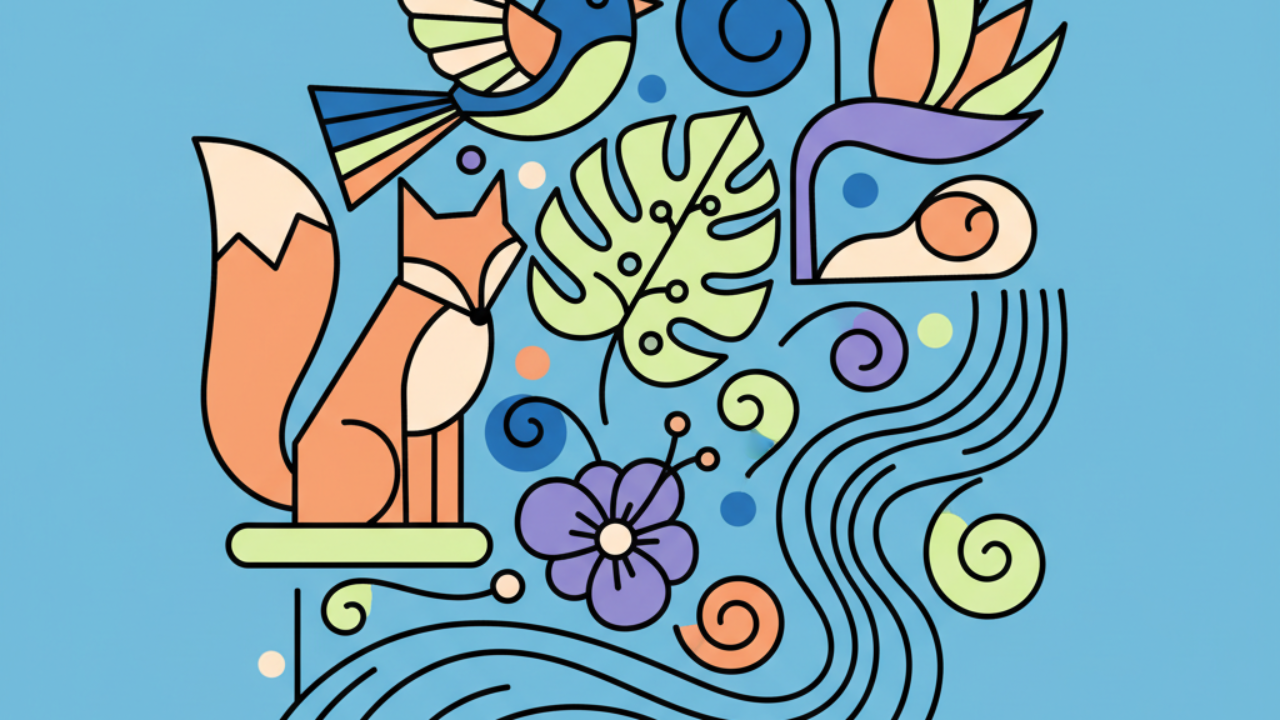
Learn how to master creative linework for animal and nature coloring pages. Level up your art with simple techniques from Drawing & Coloring! 🎨🌿
Mastering the art of creating printable coloring pages requires more than just imagination; it’s essential to understand how line weight influences the visual perception of an object. During the spring and summer seasons, nature themes take center stage, and learning to distinguish the delicate stroke of a petal from the rough hide of an elephant is the first step toward leveling up your kids' line art or adult coloring skills.
The Importance of Line Weight in Animal Drawings
Line weight refers to the thickness and intensity of the stroke that defines a shape. In our educational drawings, we use thicker strokes for the outer outline, making it easier for toddlers and young children who are still developing their fine motor skills to see the boundaries.
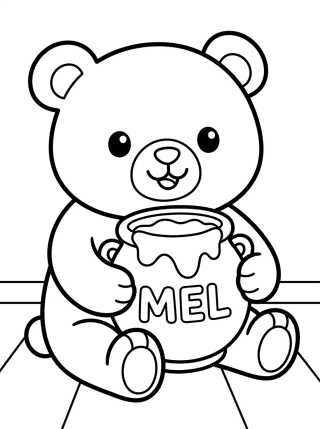
When drawing animals, varying line weights helps create depth. For instance, a thicker line at the bottom of a bear's body suggests shadow and weight, while thin, short strokes at the top of the head simulate soft fur, making the coloring for kids experience much richer.
Pro Tip: When outlining your drawings, try tilting your pencil or digital pen. Use firm pressure for shaded areas and absolute lightness for internal details, like an animal's eyes and nostrils.
Hatching Techniques for Natural Textures
Hatching is fundamental when creating more complex coloring pages. These consist of small parallel lines that, when layered, create shadows and textures. For nature elements like tree trunks or rocks, this technique is a must.
For beginners looking for high-quality printable art, we recommend practicing curved strokes. Unlike cold, straight lines, a curved stroke follows the animal’s anatomy, giving a sense of movement and life to the illustration even before color is applied.
How to Draw Nature Elements with Fluidity
Nature rarely presents perfectly straight lines. When looking for flower coloring pages, leaves, or mountains, observe how shapes curve organically. The fluidity of the stroke is what differentiates a static drawing from one that seems to vibrate on the page.
To draw leaves, use a continuous, fast stroke. Too much hesitation leads to "shaky" lines, which can hinder the online coloring or paper-based experience. Confidence in movement is the key to professional and inviting line art.
Using Hidden Geometry in Fauna and Flora
Every complex shape in nature can be reduced to simple geometric forms. A bird might start as a circle and a triangle. Learning to see these shapes before finalizing your line helps maintain correct proportions in your free drawings for the blog.
- Circles and Ellipses: Ideal for plump animal bodies, flower petals, and clouds.
- Triangles: Useful for bird beaks, cactus spines, and feline ears.
- Organic Rectangles: Perfect for defining tree trunks and the legs of large animals.
Exploring Creativity with AI Drawings
Nowadays, technology allows us to create incredible bases. The AI-generated drawings available on Desenhando e Colorindo offer complex structures that you can use to train your strokes. You can print a light version and trace over it with your own pen, personalizing the art.
This is an excellent study method for those wanting to create their own digital coloring book. By observing how AI defines edges, you learn about anatomy and perspective in a practical way, making it easier to create original, cute drawings.
Recommended Materials for Perfect Strokes
To ensure your printable coloring sheets look flawless, the material used for the outline makes all the difference. If you prefer the traditional method, fineliners of different thicknesses are an artist’s best friend.
- 0.1 Fineliner: For tiny details like eyelashes, leaf veins, and skin textures.
- 0.5 Fineliner: Ideal for the main body and mid-ground elements.
- 0.8 or Brush Pen: Perfect for strong outer contours that make the drawing pop off the page.
Adapting Strokes for Different Ages
When creating coloring activities, we always think of the target audience. For young children, strokes should be simplified and closed, avoiding very small areas that might cause frustration. The focus here is on fun and recognizing basic nature shapes.
For adult audiences, the lines can be more detailed and artistic. Introducing Zentangle elements or geometric patterns within animal shapes transforms a simple drawing into a relaxing piece of art. Desenhando e Colorindo offers options for both skill levels.
The Harmony Between Background and Figure
A common mistake is giving the same line importance to both the animal and the background scenery. To create focus, keep the strokes of the main element (like a lion or a rose) darker and more defined, while the background (grass, clouds, distant trees) should have thinner, lighter strokes.
This creates a visual hierarchy that guides the eye for anyone coloring for kids or adults, making the aesthetic experience much more pleasant and visually balanced.
Frequently Asked Questions
How do I stop my lines from looking shaky on paper?
The best way to avoid shaky lines is to draw using your whole arm movement rather than just your wrist. Practicing quick lines on scrap paper before starting your final drawing also helps warm up your hand.
What paper is best for printing coloring pages?
For standard colored pencils, basic 20lb (75g) printer paper works fine. However, if you plan to use markers or watercolors, we recommend cardstock or paper heavier than 65lb (120g) to prevent bleeding.
Can I turn animal photos into coloring pages?
Yes, you can use editing software to extract outlines from real photos, but it’s ideal to manually redraw them to ensure the kids' line art is clear and easy to fill with color.
Why is the black outline standard for printable drawings?
A black outline provides the highest contrast possible, making it easy to see the image boundaries. This helps with both home printing and the visual development of those coloring, especially school-aged children.
Conclusion
Honing your strokes in animal and nature themes is a journey of constant observation and practice. At Desenhando e Colorindo, our mission is to provide the best tools and art so that this process is light and fun. Now that you know the techniques for line weight and hatching, why not put them into practice? Explore our vast gallery, pick your favorite printable coloring pages, and start creating your masterpiece right now!
Escrito e revisado por Armando Amaro
Fundador do Desenhando e Colorindo. Todo artigo passa por curadoria e revisão humana antes de ser publicado.