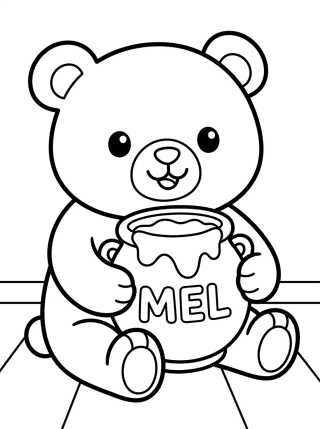
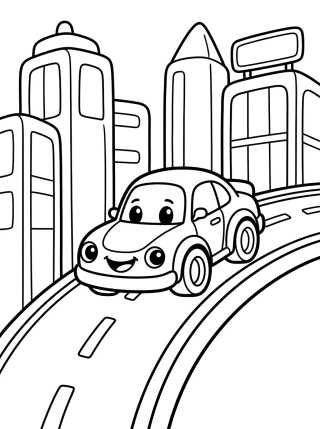
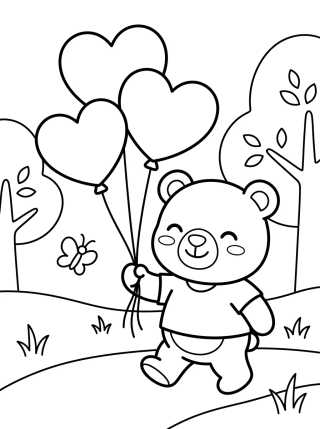
Boosting Kids' Creativity Through Printable Coloring Pages
23 de setembro de 2026

Discover practical tips to spark your child's imagination using printable coloring sheets. Turn art time into a fun and educational activity! 🎨✨
The Vital Role of Coloring Pages in Child Development
Coloring and drawing are activities that go way beyond simple entertainment. When we provide printable coloring pages, we are putting a powerful tool for self-expression into children's hands. The act of choosing colors and filling in white spaces helps with the development of fine motor skills and visual perception.
As the seasons change and nature gets brighter, colors become even more vibrant outdoors. This scenery is the perfect hook to encourage little ones to use varied tones on their coloring sheets, creatively reflecting the diversity of the world around them.
Creativity isn't something you're just born with; it's something you cultivate. By using the Drawing & Coloring library, parents and educators can create an environment rich in visual stimuli. The freedom to turn simple kids' line art into a unique masterpiece is what defines true playful learning through visual arts.
The Importance of Autonomy in Choosing Art
To spark creativity, it's essential to let the child choose what they want to paint. Whether it's an animal, an everyday object, or a complex scene, making the choice strengthens their confidence. Browsing a free coloring pages site allows children to explore different interests before they even pick up a pencil.
How to Create the Perfect Coloring Environment
It’s not just about providing the paper. The environment directly influences the quality of the experience. A well-lit and organized space invites the child to spend more time focused on their coloring activity. Make sure the table is at the right height and that materials are easily accessible.
In addition to traditional colored pencils, try offering crayons, markers, and even paints to complement the printable coloring sheets. Mixing textures expands sensory perception and allows the child to understand how different pigments react on paper, creating brand new shades.
Printing Tip: When printing your pages, use thicker paper (like 28lb or 65lb cardstock) if you plan to use paint or markers. This prevents the paper from wrinkling and ensures the final artwork looks professional and lasts longer.
Organizing materials is also educational. Teaching a child to sort colors into cool and warm tones before starting their physical digital coloring book helps with logical reasoning and the mental organization needed for more complex projects in the future.
Simple Techniques to Spice Up Coloring
Often, children feel stuck with the "color inside the lines" rule. While motor control is important, encouraging different techniques can unlock their imagination. Pointillism, hatching, and gradients are simple methods that can be applied to any cute drawing or landscape.
Another interesting technique is using collages. After finishing their educational drawings, children can glue on glitter, fabric scraps, or dried leaves collected from the yard. This turns a 2D page into a 3D art project rich in detail.
- Color Gradients: Teach them to layer two similar colors to create smooth transitions.
- Crayon Textures: Place a coin or a leaf under the paper and rub the crayon over it to reveal the texture.
- Using Negative Space: Encourage coloring the background to create contrast with the main subject.
- Mixed Media: Use colored pencils for details and crayons for larger areas.
Exploring Drawings with AI and Technology
Nowadays, technology is a great ally. Using AI-generated drawings allows for unique patterns that challenge traditional perception. Additionally, online coloring is an excellent transition for kids starting to get familiar with digital tools, developing clicking and dragging skills before manual writing.
Cognitive Benefits of Coloring Activities
Studies show that coloring reduces anxiety levels in children and improves concentration. In a world full of fast-paced screens, sitting down to finish a printable coloring page teaches patience and delayed gratification. It’s a mindfulness exercise adapted for childhood.
Recognizing geometric shapes within complex line art also helps with pre-math development. Identifying circles, triangles, and squares in drawings of robots or castles makes spatial understanding easier, making school learning much more fluid and natural.
Coloring Pages as a Pedagogical Tool
Teachers use printable art to reinforce classroom content. If the lesson is about biology, drawings of cells or local wildlife are ideal. If the focus is history, monuments and period clothing help visualize historical facts, locking in the content visually.
Tips for Getting Adults Involved in the Creative Process
Coloring isn't just for kids. Adults find painting to be a form of relaxation and a way to disconnect from daily stress. Coloring with children or students creates a powerful emotional bond. It’s a moment of quiet exchange where conversation flows better while hands are busy with colors.
Having a digital coloring book downloaded on a tablet or computer allows you to print new sheets whenever the urge to relax hits. For adults, coloring pages with geometric patterns or mandalas are the most popular, as they require a repetitive focus that calms the nervous system.
- Set aside 20 minutes a day for family coloring time.
- Create an "art gallery" on the fridge to display finished work.
- Start color challenges, like "today we can only use shades of blue and green."
- Use finished drawings to create personalized handmade cards.
Coloring Tip: To avoid smudging, always start coloring from the center toward the edges. If you're left-handed, work from right to left so you don't drag your hand over the graphite or fresh ink.
The Evolution of Children's Art and Self-Expression
As a child grows, the way they interact with free drawings changes. What once were disconnected scribbles become structured figures. Observing this evolution through saved pages is a way to document the little artist's intellectual growth.
Self-expression through colors also reveals emotional states. Dark colors or very heavy strokes might indicate moments of high energy or introspection. The paper is a safe space where children can pour out their feelings without judgment, transforming emotions into tangible visual art.
Frequently Asked Questions
How do I choose the best drawing for my child's age?
For younger children, choose coloring pages with thick lines and few details. As motor skills improve, introduce more complex images with smaller details that require precision.
Can I print as many drawings as I want?
Yes! On the Drawing & Coloring website, all printable drawings are free. You can download and print as many copies as you need for home or classroom use.
What materials are recommended for coloring on standard printer paper?
Standard printer paper works best with colored pencils and crayons. For markers, try not to go over the same spot too many times to avoid tearing the sheet. For paints, we recommend printing on thicker paper.
Does online coloring replace paper drawing?
It doesn't replace it; it complements it. Online coloring develops digital skills, while paper works on fine motor skills and tactile sensitivity. The ideal approach is to alternate between both.
Conclusion
Stimulating creativity is about giving wings to the imagination through colors and shapes. With the free collection at Drawing & Coloring, you have access to thousands of options to turn any afternoon into an art festival. Don't wait—pick your favorite printable coloring pages now and start creating colorful memories with your kids today!
Escrito e revisado por Armando Amaro
Fundador do Desenhando e Colorindo. Todo artigo passa por curadoria e revisão humana antes de ser publicado.