How to Help Kids Stay Inside the Lines When Coloring
22 de setembro de 2026
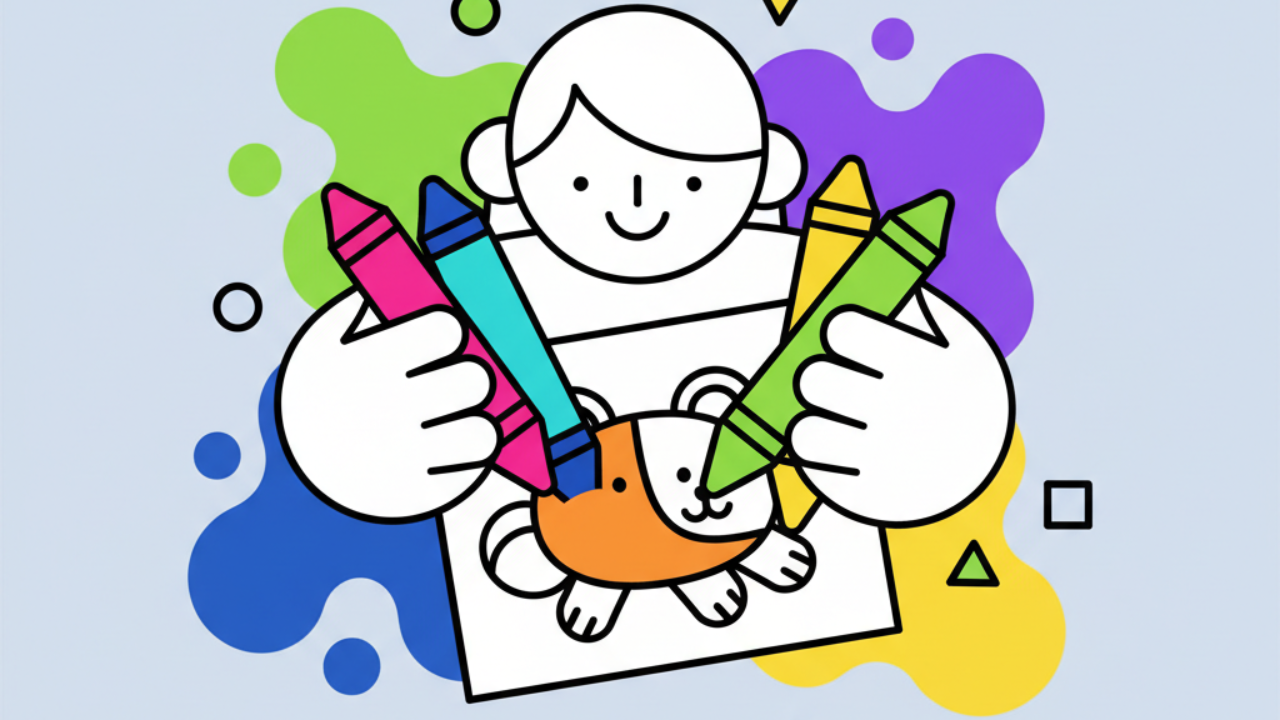
Discover practical tips to help children color inside the lines. Boost fine motor skills with our fun, free printable coloring pages for kids.
The Importance of Fine Motor Skills in the Coloring Process
Teaching a child to stay within the lines of a black outline is one of the first major milestones in fine motor skill development. When we provide free printable coloring pages, we are offering more than just a pastime; we are giving them a powerful pedagogical tool that helps with finger and hand muscle control.
As the school year picks up steam and visual arts activities become more frequent, it’s the perfect time to introduce techniques that help little ones. The transition from free scribbling to bounded coloring requires patience and constant repetition with coloring activities tailored to each age group.
The secret lies in understanding that every child matures at their own pace. The goal isn't immediate perfection, but visual stimulation. By using the coloring pages from Desenhando e Colorindo, you’ll have the necessary materials for this evolution to happen in a playful and fun way, without external pressure.
Choosing the Ideal Drawings for Beginners
For those just starting out, the choice of kids' line art makes all the difference. Drawings with tiny details and thin lines can frustrate younger children who haven't yet mastered the pincer grasp. Ideally, you should look for illustrations with wide borders and simple geometric shapes.
When downloading free drawings from our site, look for categories like "Easy Animals" or "Large Objects." These options feature thicker outlines, making it easier to visually recognize where the color should stop. The thickness of the black line serves as both a psychological and physical barrier for the tip of the colored pencil or crayon.
Additionally, varying the tools is essential. Starting with thick crayons helps fill large spaces quickly, giving the child an early sense of success. As their skills improve, you can introduce colored pencils and, eventually, markers to outline the educational coloring pages we’ve selected for their learning journey.
Filling Techniques to Prevent Going Over the Edges
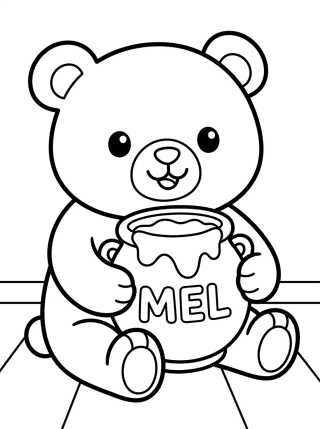
A foolproof technique is teaching the child to do the inner outline first. Before filling the center of a flower petal or a teddy bear's belly, ask them to gently trace their pencil right against the black line. This creates a "safety zone" that minimizes the chances of the hand slipping outside the main drawing.
Another important point is the direction of movement. Instruct the little ones to always color in the same direction—whether horizontal, vertical, or in small circles. This prevents the paper from tearing and ensures uniform color coverage, resulting in a physical digital coloring book that would make any parent or teacher proud.
Quick Tip: Place a piece of cardstock or an EVA foam sheet under the coloring page. The slightly soft surface helps control the pencil's slide, offering more friction and precision for small hands.
Color Psychology and Visual Focus
Coloring within the lines is also an exercise in mindfulness and focus. For children who get easily distracted, focusing on a small area of a free printable coloring sheet helps calm the mind and improves concentration for other school tasks. It’s occupational therapy disguised as playtime.
Encourage the child to choose contrasting colors. For example, if the drawing has a strong black line, using vibrant colors helps them see the boundaries better. Visual contrast is a pedagogical ally, as it immediately highlights when the pencil leaves the allowed space, allowing the child to self-correct without needing constant adult intervention.
Materials That Make Learning Easier
- Triangular crayons: Help with the correct grip (pincer movement) and won't roll off the table.
- Watercolor pencils: They have softer leads, requiring less pressure to release pigment onto the coloring pages.
- Heavier weight paper: 90g or 120g paper prevents markers from bleeding or tearing the fibers, keeping the line limits intact.
- Precision erasers: Having an eraser nearby removes the fear of making mistakes, encouraging the child to try again.
Progressive Activities with Educational Drawings
To master the black outline, you can create an activity schedule using our library of printable art. Start with isolated shapes and evolve toward complex scenes. Natural progression builds the child’s confidence, making the process of coloring—whether online or on paper—something rewarding.
At Desenhando e Colorindo, we offer drawings created with AI that feature clean, defined lines, ideal for this training. You can print several copies of the same drawing so the child can see their own evolution over time. Compare the first attempt with the fifth; the difference in precision will be remarkable.
How to Motivate Without Pressuring
It’s essential that using your coloring sheets is a pleasant experience. If a child goes outside the lines, avoid negative criticism. Instead, praise their color choices or the effort they put in. Try saying things like, "I love how you filled in almost everything! Shall we try to keep the pencil inside this little black road now?"
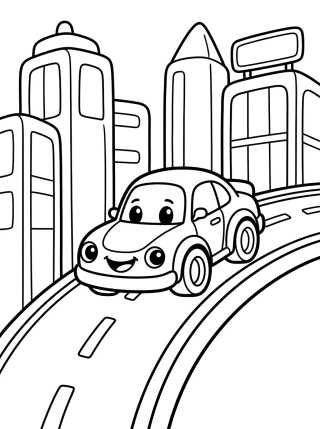
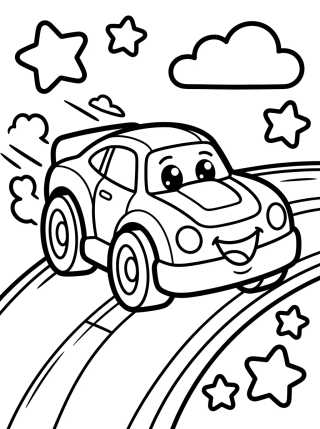
Turning the challenge into a story also works. If they are coloring a car, tell them the black line is the curb and the car can't go onto the sidewalk. If it’s an animal, the line is its little house. This playfulness makes the concept of spatial boundaries easier to understand organically.
Long-term Benefits for Writing
Many parents don't realize it, but mastering the lines in the cute drawings they print today is what ensures legible handwriting in the future. Handwriting directly depends on the fine motor control developed through coloring activities during childhood. By respecting the edges of a drawing, a child learns to respect the lines in a notebook.
Moreover, recognizing shapes and outlines helps with visual literacy. The child begins to notice patterns in letters and numbers more quickly. Therefore, investing time in coloring pages is investing in your child’s or student’s overall academic success, blending art and education on a single sheet of paper.
Tips for Preserving Their Works of Art
- Portfolio Folder: Keep drawings in a folder to track the evolution of motor precision.
- Wall Display: Hanging up the drawings that stayed "inside the lines" reinforces positive behavior.
- Digitization: Take photos of the best works to create a digital memory album.
Frequently Asked Questions
At what age do children start coloring inside the lines?
Generally, between ages 4 and 5, children begin to develop the motor control necessary to stay within the black outlines. Before that, free-form scribbling is normal and healthy.
What is the best type of drawing to train coordination?
Printable coloring pages with thick lines and large shapes are best. At Desenhando e Colorindo, we have a section dedicated to beginners with reinforced outlines.
Should I correct the child if they go outside the lines?
Correction should be gentle and motivating. Show them how you do it and encourage them to try again in the next space, focusing on effort and fun, not just the final result.
Does using dark colors help them see the boundaries?
Yes, more saturated and darker colors make it easier to see the fill, making it more obvious when the pencil crosses the black line of the kids' line art.
Conclusion
Teaching kids to color inside the lines is a journey of patience and creativity. With the right tips and quality materials, this process becomes one of the most fun parts of the daily educational routine. Now that you know how to guide the little ones, take a moment to explore our vast collection at Desenhando e Colorindo. Choose your favorite themes, get your pencils ready, and start turning free printable coloring pages into true masterpieces that develop the mind and the heart today!
Escrito e revisado por Armando Amaro
Fundador do Desenhando e Colorindo. Todo artigo passa por curadoria e revisão humana antes de ser publicado.