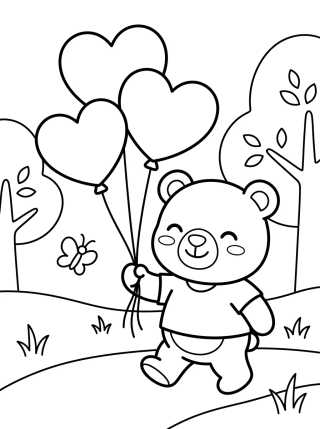
How to Draw a Bear: Easy Step-by-Step Coloring Guide
28 de outubro de 2026
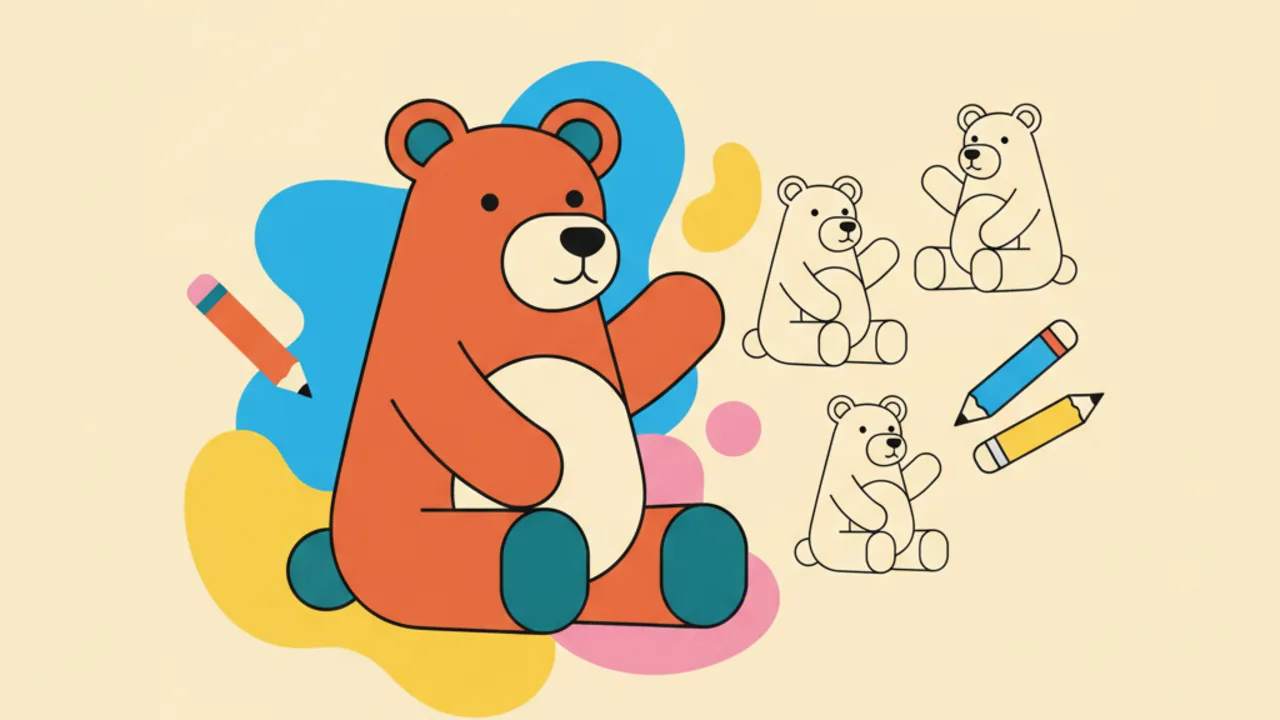
Learn how to draw a bear the easy way! Follow our step-by-step guide and enjoy plenty of free printable coloring pages right now. 🐻✨
Mastering the Basic Shapes of a Bear
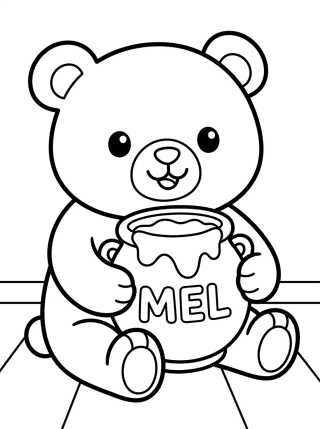
To learn how to draw a bear like a pro, the first secret is to forget complex details and focus on simple geometric shapes. Think of the animal's body as a set of circles and ovals connecting harmoniously.
Start by drawing a large circle for the torso and a smaller one for the head. This initial structure helps define the correct proportions, ensuring your coloring page looks balanced even before you add fur or eyes.
Many beginner artists make the mistake of trying to draw the final outline all at once. At Desenhando e Colorindo, we recommend using light pencil strokes, allowing for quick corrections until the bear's silhouette looks natural and powerful.
Pro Tip: When creating your sketch, imagine the bear inside a rectangle to ensure it fits perfectly on the sheet when you go to print your coloring pages.
Step-by-Step Anatomy: From Sketch to Outline
Once the torso and head are set, it's time to add the limbs. Bears have sturdy paws and broad shoulders. Draw four elongated oval shapes to represent the legs, remembering that the back paws are usually a bit wider at the base.
The muzzle is another crucial part. Draw a small circle or a "U" shape at the bottom of the head. This gives depth to the face, transforming a simple circle into a 3D face ready for the colors of your physical or digital coloring book.
Drawing the Ears and Face
Bear ears are generally rounded and small compared to the head size. Place them at the top of the skull, slightly tilted to the sides. For the eyes, two small, well-centered black circles can convey a friendly or wild expression, depending on your goal.
Don't forget the nose, which resembles an inverted triangle with rounded edges. These details make all the difference when turning a simple doodle into high-quality kids' line art for children to enjoy.
Texturing Techniques for Realistic Fur
A bear wouldn't be complete without its signature coat. Instead of drawing individual hairs, which can be exhausting, work with small zigzag strokes along the body's outline. This creates the illusion of volume and texture, ideal for those seeking more advanced coloring activities.
If you're using our free printable coloring pages, you can practice shading by layering. Start with a lighter base color and gradually darken the shadow areas, like the belly and the inner legs, to give the drawing depth.
For a smoother effect, try blending with your finger or a piece of paper to spread the graphite or colored pencil. This makes the transition between light and shadow much more natural, a hallmark of artists who love educational drawings.
Different Bear Species to Color
There are several types of bears in the wild, and each has unique traits to explore in your coloring sheets. Knowing the differences helps you pick the right colors when printing your material.
- Grizzly Bear: Features a muscle hump on the shoulders and fur in shades of brown and cinnamon.
- Polar Bear: Adapted to the cold, its fur is white or slightly yellowish, with black skin underneath.
- Panda Bear: Famous for black patches around the eyes, ears, and legs, with the rest of the body being white.
- Black Bear: Smaller than the grizzly, it has a straighter muzzle and colors ranging from black to bluish-black.
Regardless of the species you choose, Desenhando e Colorindo offers a vast library of options for you to download. Take advantage of the season to create a themed forest animal collection and expand your portfolio of printable art.
Recommended Materials for Drawing and Coloring
To get the best results in your coloring tasks, choosing the right materials is essential. While a simple pencil works, investing in a few basics can transform your creative experience.
- High-weight paper: Prevents markers from bleeding through the sheet when you print.
- Watercolor pencils: Great for creating soft backgrounds and realistic fur textures.
- Fine-liner pens: Perfect for finalizing your line art outlines before coloring.
- Kneaded eraser: Helps erase sketches without damaging the paper fibers.
Remember, the main goal is to have fun. Don't worry if the first bear isn't perfect; consistent practice is what leads to perfection in any drawing for kids or adults.
Creating Scenery for Your Bear
A standalone drawing is nice, but a full scene tells a story. When learning how to draw a bear, think about where it lives. Is it in a pine forest? By a river catching salmon? Or maybe in a cave resting for winter?
Add simple elements like grass, rocks, and trees to the background. This enhances your free drawing and provides more areas for kids to explore different colors and shading techniques. Nature offers greens, blues, and browns that perfectly complement the main character.
On our site, you'll find ready-made backgrounds that make this process easier. Just choose a theme, print, and start creating your own wild world. Using AI-generated drawings can also serve as inspiration for creating futuristic or magical settings for your animals.
Frequently Asked Questions
How do I make the bear look cuter?
For a "kawaii" or cute style, draw the head larger relative to the body, use large rounded eyes set lower on the face, and short paws. This gives it a cub-like look that's very popular in cute coloring pages.
What's the best color for a polar bear?
Although they look white, polar bears can be colored with touches of light blue or gray in shadow areas to add volume. Leave the brightest spots as the white of the paper to represent light reflecting off the snow.
How do I print drawings from the site correctly?
To ensure the best quality for your printable coloring pages, select "Fit to page" in your printer settings and use high-quality black and white printing mode.
Can young children draw bears?
Yes! By focusing on simple circles and basic shapes, children as young as 4 can identify and reproduce a bear's silhouette, making it an excellent educational activity for motor skills development.
Conclusion
Learning to draw and color bears is an incredible journey that boosts patience and creativity. Now that you know the basic techniques and species characteristics, you're ready to create fantastic artwork. Don't wait—explore our entire gallery at Desenhando e Colorindo to find the best free printable coloring pages. Grab your pencils, pick your favorite template, and start bringing these forest giants to life today!
Escrito e revisado por Armando Amaro
Fundador do Desenhando e Colorindo. Todo artigo passa por curadoria e revisão humana antes de ser publicado.