Como desenhar e colorir diferentes tipos de cabelo passo a passo
31 de agosto de 2026
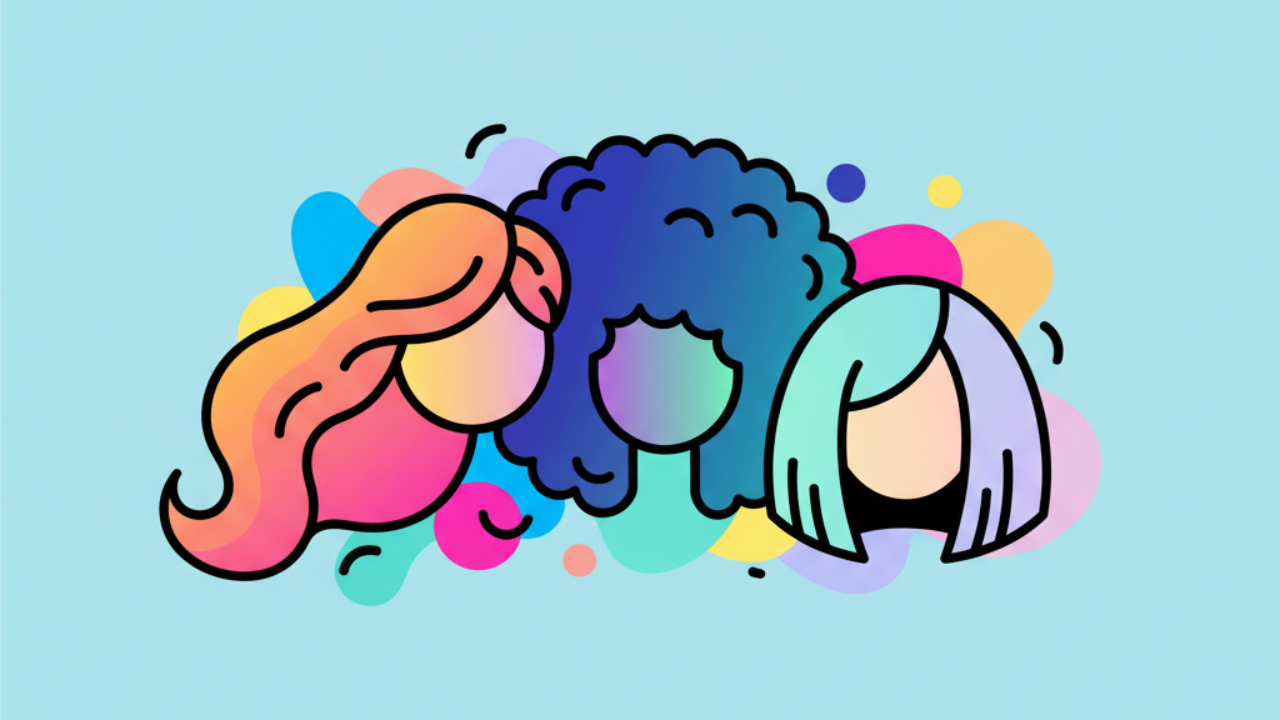
Aprenda como desenhar e colorir diferentes tipos de cabelo com este guia passo a passo. Transforme seus desenhos para colorir com técnicas de textura e movimento.
Understanding Hair Anatomy for Realistic Drawings
To create coloring pages that truly pop, the first step is understanding that hair isn't just a solid block. It's made of individual strands that group into locks, following the shape of the skull. When prepping your pages to print, focus on defining the flow of movement.
Think of hair as flowing silk. Before adding tiny details, sketch out the main shapes. This makes the online coloring process—or coloring on paper—much easier by creating clear areas for light and shadow. Remember that the origin point (like a cowlick or a part) dictates where every strand should point.
Take advantage of your free time to practice these techniques on the Desenhando e Colorindo website. The secret to great line art for kids is keeping the lines clean, allowing the child to see exactly where each color goes without any visual confusion. 🎨
How to Draw Straight Hair with Flow
Straight hair might look simple, but it requires careful attention to long strokes. For a professional result in your coloring activities, avoid making perfectly straight, stiff lines. Instead, use gentle curves that follow the shoulders or the wind.
When creating art for your digital coloring book, draw the outer outline of the hair mass first. Then, add a few sparse internal lines to suggest where sections separate. Less is more with straight hair, as too many lines can make it look heavy and dull.
Pro Tip: When coloring straight hair, leave a white or lighter band across the curve of the head to simulate natural hair shine under the light. ✨
Techniques for Wavy and Curly Hair
Wavy hair adds incredible energy to educational drawings. The secret here is the "S" shape. Instead of drawing zig-zags, make smooth, rhythmic waves. Every wave should have volume, creating a sense of depth on the paper.
For curly hair, the focus shifts to the spiral. Imagine a stretched-out spring. You can draw tiny imaginary cylinders and wrap your lines around them. This creates cute drawings full of personality that are a huge hit with kids who love to paint.
When you print your free art, make sure the curls have space between them. This makes coloring for kids much more enjoyable, letting them explore different shades of brown, black, red, and even fantasy colors like blue or pink. 🎀
Step-by-Step for Coily and Voluminous Hair
Coily hair is rich in texture and volume. To draw it effectively on your coloring sheets, focus on the overall silhouette first. Use short, broken lines or cloud-like shapes to define the outer edge of the fro or hairstyle.
Inside this shape, you don't need to draw every single coil. Use small hooks, dots, or circular scribbles to suggest the texture. This creates a visually rich line art that boosts fine motor skills as children fill in the colors.
Shading Tips for Coloring Hair
Coloring isn't just about filling in spaces; it's about bringing things to life. To make your AI-generated drawings or hand-drawn art stand out, apply layers. Start with the lightest color across the whole hair and gradually darken the recessed areas.
- Roots: Usually a bit darker due to depth.
- Ends: Can be lighter or have a gradient effect.
- Creases: Where one lock passes under another, the shadow should be more intense.
- Highlight: Keep a central area of the lock in the lightest tone possible.
Exploring Hairstyles for Kids' Characters
Varying hairstyles is essential for creating a diverse collection of printable art. Think about pony tails, braids, buns, and short cuts. Each style requires a different understanding of gravity and hair volume.
Braids, for example, are formed by overlapping segments. Draw a central zig-zag line and then add inverted "Y" shapes to create the links of the braid. It's a great logic and symmetry exercise for school-aged kids.
At Desenhando e Colorindo, we encourage using free printable drawings that showcase diversity. Short hair, long hair, bald styles, or accessories like bows and hats make the coloring experience inclusive and fun for everyone. 🌈
Recommended Materials for Paper Coloring
If you've chosen to print for free from our files, your choice of materials matters. For hair, well-sharpened colored pencils are ideal for fine strands, while crayons work great for filling in large volumes of coily hair quickly.
- Watercolor pencils for smooth gradient effects.
- Felt-tip markers for vibrant outlines in kids' line art.
- White gel pens for adding highlights after you've finished painting.
- Alcohol-based markers for a professional, even finish.
Using AI to Create New Hair Styles
Nowadays, AI-enhanced drawings allow you to create infinite variations. You can ask our tool for specific themes like "girl with flower hair" or "boy with fire hair." The AI interprets these textures and generates unique coloring pages you wouldn't find anywhere else. 🤖
This technology helps push the boundaries of creativity, offering complex patterns that challenge even the most experienced colorists. It's a modern way to have a personalized digital coloring book at home, ready for a tablet or the printer.
The Importance of Coloring Activities in Development
Drawing and coloring hair isn't just about aesthetics. It involves notions of perspective, light, shadow, and patience. For little ones, these coloring activities help with detail perception and texture differentiation, which is vital for cognitive development.
Furthermore, picking colors and deciding where to put the highlights encourages decision-making. When you download a coloring page from Desenhando e Colorindo, you're providing a tool for relaxation and learning that disconnects kids from screens and connects them with manual art. 🖍️
Frequently Asked Questions
How do I make hair look shiny?
To create a shine effect, pick a light direction and leave a horizontal or curved strip almost color-free in the middle of the locks. You can use an eraser to lighten the area after painting or use a white pencil over the base color.
What's the best color to start painting hair?
Always start with the lightest color. If you want brown hair, start with beige or light tan. Add layers of dark brown and black only in the shadow areas to give the drawing depth and volume.
Can I mix colored pencils and markers?
Yes! A common technique in coloring pages is using markers for deep shadows and colored pencils for the main filling and smooth transitions. This gives your art a vibrant, professional finish.
How do I draw short hair for boys or girls?
For short hair, focus on the growth direction. Instead of long locks, use short, quick strokes (hatching style) that follow the head's contour. This gives the impression of spiky or neatly trimmed hair typical of short cuts.
We hope this guide inspired you to explore new shapes and textures in your creations. Now that you know the techniques to draw and color different hair types, why not put it into practice? Visit our gallery, choose your favorite free printable coloring pages, and start your artistic journey today at Desenhando e Colorindo! 🎨✨
Escrito e revisado por Armando Amaro
Fundador do Desenhando e Colorindo. Todo artigo passa por curadoria e revisão humana antes de ser publicado.