Mastering Depth in Coloring Pages: Pro Shading Tips
26 de agosto de 2026

Learn simple techniques to add depth to your free printable coloring pages. Bring line art to life with professional light and shadow tips.
Understanding Volume Perception in Coloring Pages
Often, when we grab our free printable coloring pages, we tend to apply color uniformly, resulting in a flat image. Depth is the secret to transforming a simple kids' line art into a true three-dimensional masterpiece.
To start, imagine that the object on the paper isn't just a line, but a physical shape that occupies space. The secret to depth lies in the contrast between light and dark areas. Whether coloring for kids or adults, understanding where the light comes from is the first step in creating that volume.
When downloading your educational drawings on Desenhando e Colorindo this August, try to visualize the light source. If the light comes from the right, the left side of the drawing should be darker. This basic shading technique is what creates the illusion that the drawing is popping off the page.
Gradient Techniques to Create Relief
A gradient is the smooth transition from a dark color to a light color. It is the most powerful tool for anyone looking to master printable art painting. Instead of filling the entire space with the same pencil pressure, vary the strength of your hand.
Start by pressing harder on the edges or in areas that would be hidden from the light. As you move toward the center of the object or the illuminated areas, gradually decrease the pressure until the color almost disappears. This creates the curvature needed to give the drawing shape.
Pro tip: Use a white pencil or a blending stump over the colors to soften tonal transitions and create a professional depth effect on your coloring pages.
This technique works wonderfully on cute drawings of characters, where cheeks and rounded bodies gain immediate life with a good circular gradient.
The Role of Cast Shadows in the Scene
In addition to the object's own shadow, depth depends on the shadow cast on the ground or other surfaces. When you use coloring activities that feature a floor or background, the cast shadow helps "anchor" the character in the environment.
Without this shadow, the drawing looks like it's floating. To make a realistic cast shadow in your AI-generated drawings, draw an oval or elongated smudge at the base of the object, on the side opposite the light. Use shades of gray, dark blue, or brown for these areas.
Remember that the cast shadow is darkest near the object and becomes lighter and more diffused as it moves away. This creates a sense of space and distance that enriches any digital coloring book or printed page.
Using Cool and Warm Colors for Distance
Color theory is fundamental for creating atmospheric perspective. Warm colors, like red, orange, and yellow, tend to appear closer to the viewer. Meanwhile, cool colors, like blue, purple, and teal, seem to recede into the background.
If you are painting a landscape in your free coloring sheets, paint the foreground elements with vibrant, warm colors. For background elements, like distant mountains or forests, use lighter, cooler, and slightly grayish tones.
The Importance of Value Contrast
Value refers to how light or dark a color is. Having high value contrast is essential for depth. If your entire online coloring page has the same value, it will look confusing and out of focus.
- Highlights: Leave small areas in total white to simulate intense light reflection.
- Deep Shadows: Don't be afraid to use black or very dark colors in the most hidden folds.
- Midtones: Use the base color of the object to transition between the highlight and the shadow.
When working with line art, contrast helps the human eye distinguish what is in front and what is behind, making it easier for the child or adult coloring to interpret the scene.
Texturing and Surface Details
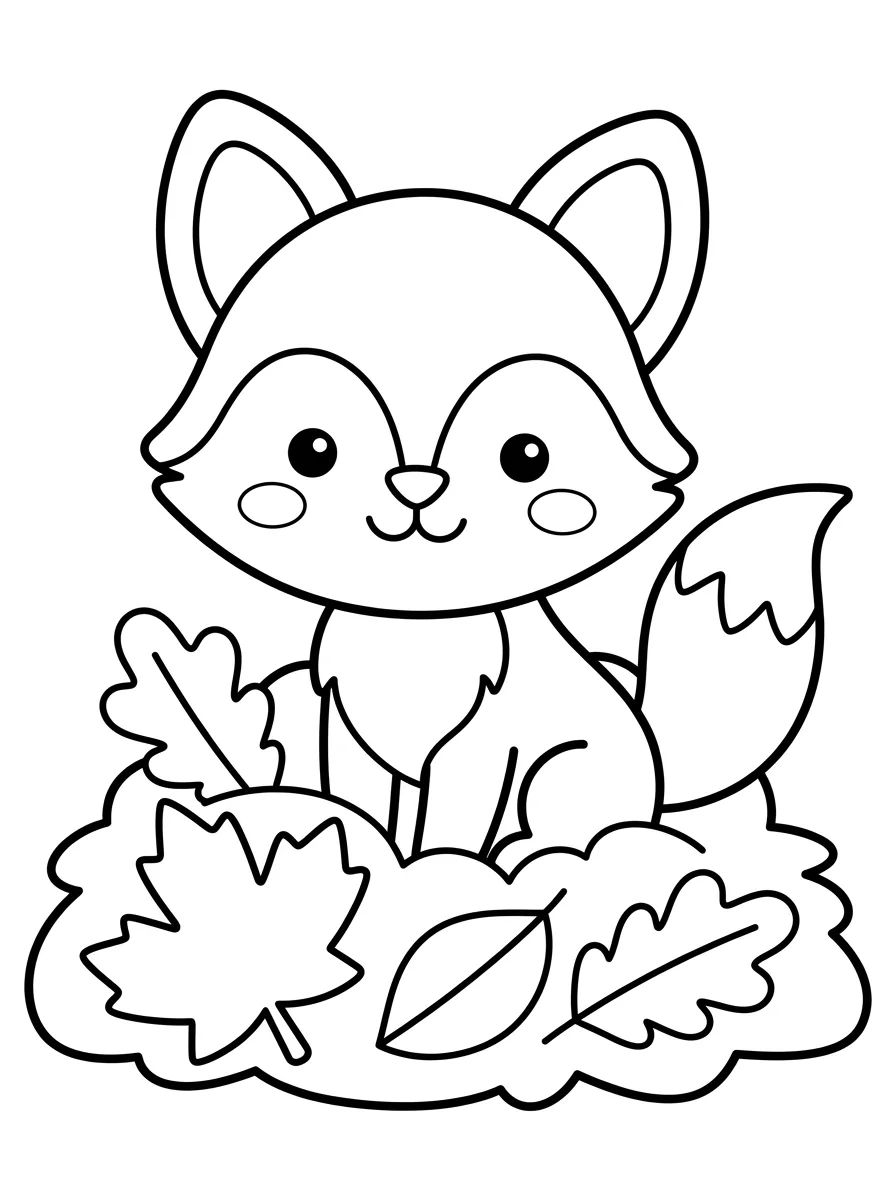
Texture also helps define volume. More detailed elements tend to look closer. When using animal coloring activities, for example, drawing small strokes simulating fur only on the parts closest to the "viewer" creates depth.
For rough surfaces, use stippling or cross-hatching. For smooth surfaces, like metal or glass, keep the gradient extremely clean and add dry highlights. These textures interact with light in different ways, reinforcing the three-dimensionality of your printable art.
Golden tip: If you are using markers, layer them to darken the shadow areas. Marker ink tends to get darker with each new layer applied.
Bounce Light and Secondary Highlights
A detail that sets pros apart from beginners is bounce light. On a spherical object, for example, there is a small band of light at the edge of the shadow, caused by light reflecting from the ground back onto the object.
Adding this slight brightness to the extreme edge of the shadow makes the object look truly round and placed in a 3D space. Try this on cute drawings of fruit or balls to see the immediate difference in your painting's realism.
How to Choose the Best Tools
The choice of material directly influences the ease of creating depth. For beginners using educational coloring pages, we recommend:
- Watercolor pencils: Allow for smooth blending and deep layering.
- Soft pastels: Excellent for smooth backgrounds and large gradient areas.
- White gel pens: Perfect for adding highlights over dark colors.
- Heavyweight paper: Better supports layers of color without tearing.
Frequently Asked Questions
How do I make shadows without using black?
You can create shadows using darker analogous colors or complementary colors. For example, to shade a green object, you can use a dark blue or even a reddish-brown tone. This makes the drawing richer and less "muddy" than overusing black.
What is the best way to blend colors on paper?
The best way is to work with light layers. Don't apply force right at the beginning. Gradually overlap the colors using small circular motions with the pencil. This fills the paper pores evenly, allowing a perfect blend for your coloring pages.
How do I know where to put the shadow on line art?
Imagine a small lamp in one corner of the page. Everything "hidden" from that light source by the drawing's own shape should be shaded. If an arm is in front of the body, the arm will cast a shadow on the character's chest, for example.
Can I create depth in online coloring pages?
Yes! Many online coloring tools on Desenhando e Colorindo offer gradients and different brush opacities. Use a low-opacity brush to build up shadows gradually, just as you would with a colored pencil on physical paper.
Mastering depth transforms the coloring experience into an exercise in observation and art. Now that you know the techniques of light, shadow, and contrast, how about putting it all into practice? At Desenhando e Colorindo, we have thousands of free printable coloring pages waiting for you. Pick your favorite theme, grab your pencils, and start creating incredible volume right now!
Escrito e revisado por Armando Amaro
Fundador do Desenhando e Colorindo. Todo artigo passa por curadoria e revisão humana antes de ser publicado.