Mixing Primary and Secondary Colors in Kid-Friendly Art Activities
03 de setembro de 2026
Learn how to teach primary and secondary color combinations using free printable coloring pages to boost your child's creativity and motor skills. 🎨
The Foundation of Color Theory in Printable Coloring Pages
Understanding how to mix shades is the first step to transforming simple printable coloring pages into true works of art. When children start using crayons or colored pencils, they are exploring a vast sensory universe.
Primary colors — red, blue, and yellow — are the starting point. They are called primary because they cannot be created by mixing other colors. When providing free coloring pages for little ones, encourage them to identify these three basic colors before moving on.
When working with coloring activities, teachers or parents can demonstrate how combining blue with yellow results in green. This discovery process is fundamental for cognitive development and for a visual understanding of the world around them.
Exploring Secondary Colors with Kids' Line Art
Secondary colors emerge from the balanced mixture of two primary colors. Orange, green, and purple are the direct results of this interaction. At Coloring and Drawing, we offer kids' line art with thick lines, ideal for practicing these mixtures.
Using coloring sheets with nature themes is an excellent strategy. For example, when coloring a forest, a child can mix blue and yellow directly on the paper to create different shades of green, adding depth to the drawing.
This practice helps develop fine motor skills, as it requires the child to control pencil pressure to achieve lighter or darker tones. Here, educational coloring pages serve a dual purpose: fun and technical learning.
Practical Tip: Use heavier paper (like 120gsm or 180gsm) when printing your coloring pages if you plan to use gouache paints or watercolors to mix primary colors.
Layering Techniques in Coloring Pages
Layering is the technique of applying one color over another to create a new hue. In cute coloring pages of characters, this can be used to create shadows and volume, making the image more realistic and interesting for the child.
Many digital coloring books try to simulate this effect, but nothing beats the tactile experience of seeing purple emerge when a red pencil is drawn over blue. It's a magical experience for preschoolers.
Encouraging the use of AI-generated coloring pages that have many details allows children to explore small areas with varied combinations. This maintains focus and patience, essential skills in child development.
How to Simply Teach the Color Wheel
- Present the 3 primary colors in separate containers.
- Ask the child to choose a printable coloring page of fruits.
- Show them that to color an orange, they can use red underneath and yellow on top.
- Explain that the purple of a grape comes from the meeting of blue and red.
- Use printables that have circles or geometric shapes to create a manual color wheel.
The Role of Light and Shadow in Children's Painting
Even in simple coloring activities, it's possible to introduce the concept of light. Where light hits, the secondary color tends to be lighter (closer to yellow, if it's green or orange).
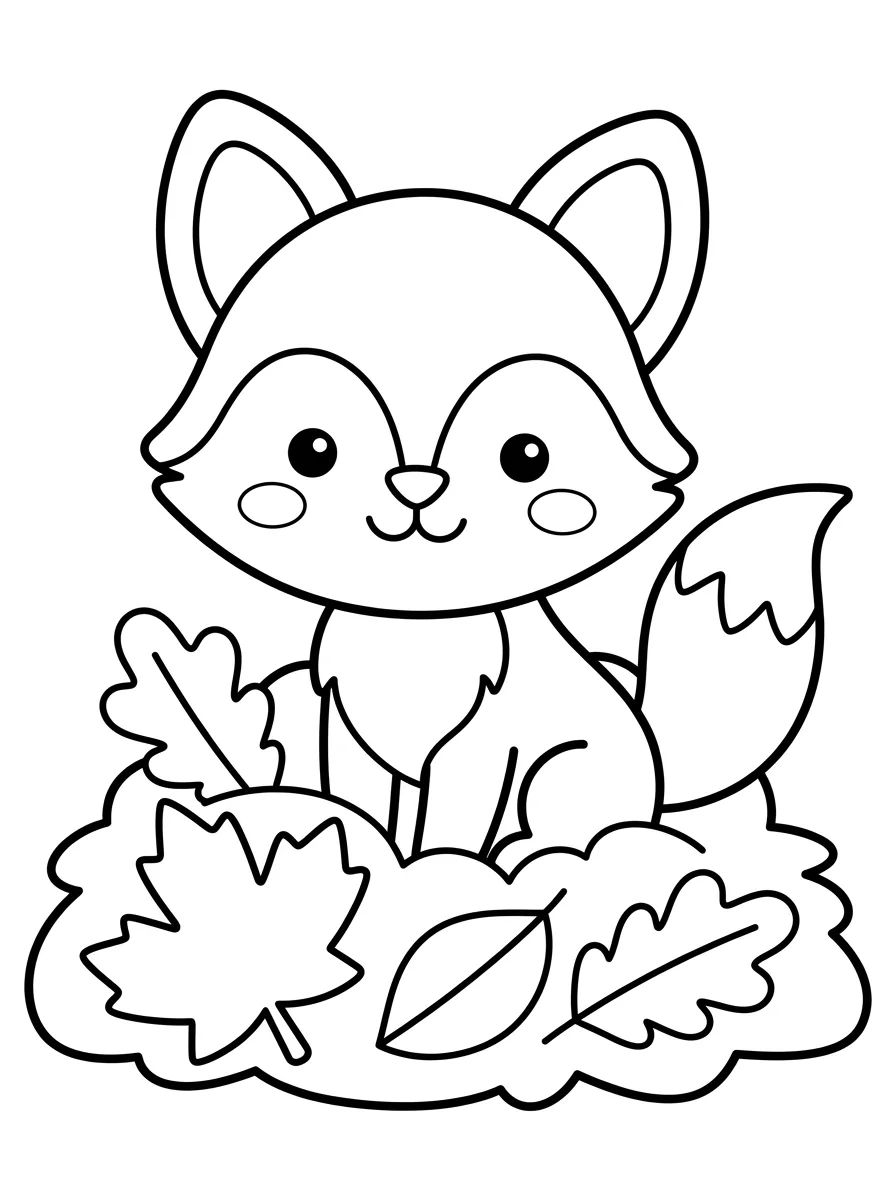
By downloading free animal coloring pages, you can guide the child to leave parts white or use the lightest primary color to simulate the sun's shine on the animal's fur. This elevates the playtime to a basic art study.
Applying these techniques in coloring for kids stimulates the observation of reality. They begin to notice that trees are not just one shade of green, but a complex mix that they themselves can replicate.
Educational Benefits of Color Mixing
Using printable coloring pages with a focus on primary and secondary colors aids in visual literacy. Children learn to categorize and organize logical thinking through visual arts.
Furthermore, the satisfaction of creating a new color builds confidence. When a student realizes they can “make” orange using only what's available, they develop proactivity and problem-solving skills.
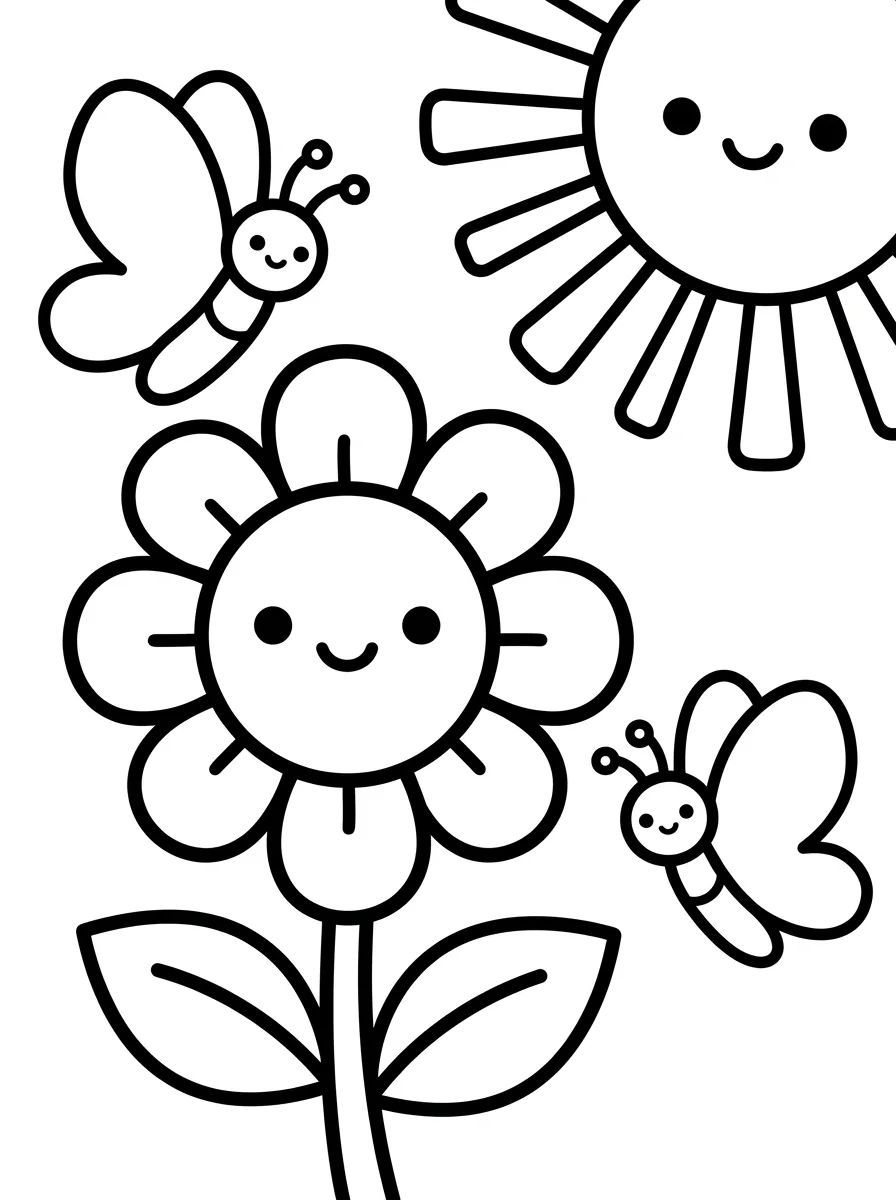
In spring, for example, themes of flowers and gardens are perfect for this practice. It's the ideal time to print various educational coloring pages of botany and explore the endless secondary colors.
Recommended Materials for Mixing Colors
- Watercolor pencils: facilitate the blending of primary colors.
- Soft crayons: allow for thick layers that blend easily.
- Non-toxic paints: the best way to visualize the chemical transformation of colors.
- Regular printer paper for online coloring or quick test prints.
- Brushes of different sizes for detailing on coloring sheets.
Stimulating Creativity with AI-Generated Coloring Pages
AI-generated coloring pages offer complex patterns that challenge children to think beyond the obvious. In these drawings, organic shapes invite the use of gradients between primaries and secondaries.
By selecting technologically produced art printables, we ensure symmetry and precision, which helps children who feel frustrated with very asymmetrical drawings. The focus remains entirely on chromatic choice.
These modern tools are great allies for Coloring and Drawing, as they ensure a constant stream of new options for those looking for free printable coloring pages every day.
Practical Activities for the Classroom or Home
A very productive activity is the “Three-Color Challenge.” Provide only blue, red, and yellow pencils and a complex coloring page. The child must complete the entire image by creating the secondary colors on their own.
Another option is online coloring, available on various platforms, which allows testing combinations before moving to physical paper. This saves materials and serves as a digital sketch for the final artwork.
The important thing is to maintain a playful environment. The free coloring pages on our website are designed so there's no pressure, allowing mistakes in mixing to be seen as new learning opportunities.
Frequently Asked Questions
What are the 3 primary colors?
The pure primary colors, in the traditional pigment model used in schools and coloring activities, are Red, Blue, and Yellow.
How do I make the color green in coloring pages?
To get green, you should mix equal parts of blue and yellow. If you want a lighter green, add more yellow; for a darker green, increase the amount of blue.
Can young children learn about secondary colors?
Yes! From age 3, children can already perceive the transformation of colors. Using printable coloring pages with large areas facilitates this initial process.
Can I print free coloring pages for school use?
Absolutely. Coloring and Drawing offers free printable coloring pages specifically to support teachers and parents in educational and recreational activities.
Conclusion
Mastering the mixing of primary and secondary colors opens up a world of possibilities for young artists. By using our printable coloring pages, you provide the necessary tools for them to express their worldview with creativity and technique. Don't waste time—choose your favorite coloring sheets on our website now, print them, and start this colorful journey with children today!
Escrito e revisado por Armando Amaro
Fundador do Desenhando e Colorindo. Todo artigo passa por curadoria e revisão humana antes de ser publicado.