Mastering the Art: How to Color Without Smudging Every Time
21 de setembro de 2026
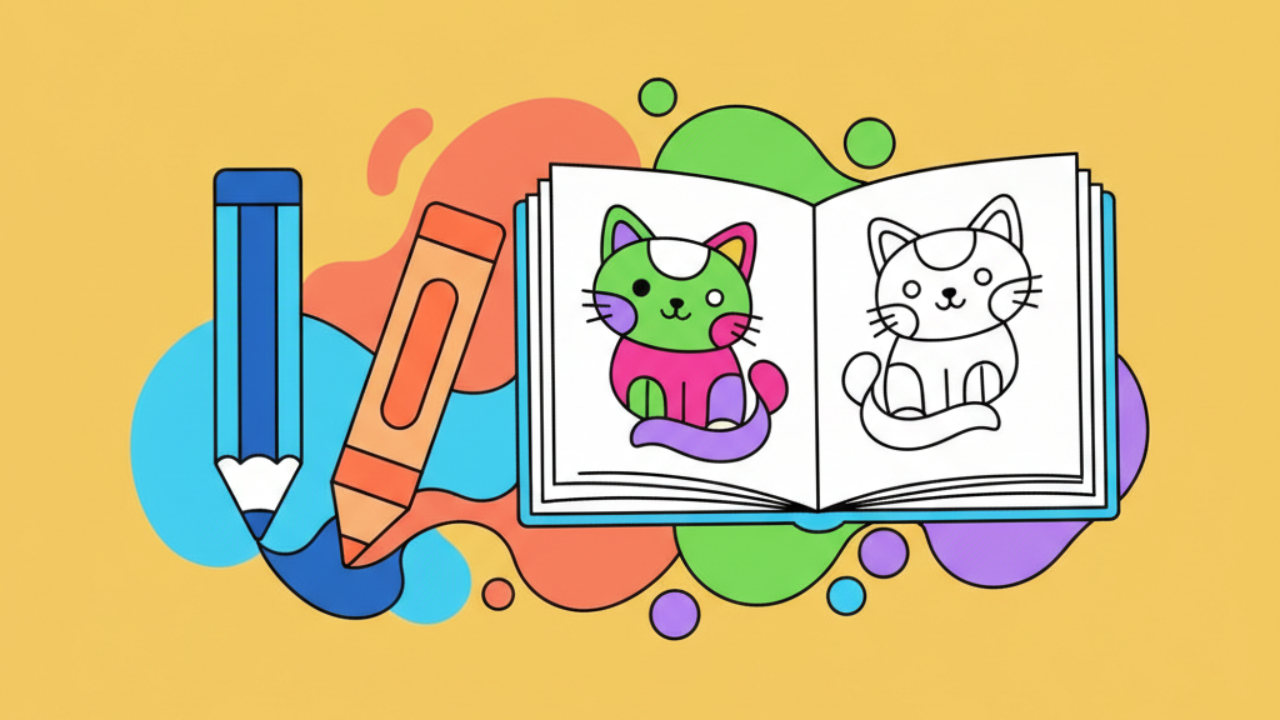
Learn pro tips for coloring without smudges using pencils and crayons. Level up your art skills with our free printable pages at Desenhando e Colorindo. 🎨
Essential Techniques for Hand Control While Coloring
Mastering hand control is the first step to ensuring your free printable coloring pages have a professional finish. Many kids and beginners find it difficult to keep the pencil inside the lines, but this is a motor skill that can be improved with patience.
The first tip is not to apply too much pressure right away. When using colored pencils, start with light, circular layers. This allows you to build color gradually without permanently marking the paper, making it easier to fix things if you get too close to the edge of the kids' line art.
Additionally, the position of the paper makes a huge difference. Rotate your Desenhando e Colorindo sheet as you fill it in. It's much easier to color moving toward your body than pushing the pencil away, which is usually what causes unwanted smudges.
Quick Tip: Place a clean sheet of paper under your coloring hand. This prevents natural skin oils or sweat from smudging the graphite or crayon already on the page.
The Importance of Sharp Pencils and Crayons
To achieve a flawless look in educational coloring activities, tool maintenance is key. A pencil with a dull, rounded tip makes it hard to reach narrow corners, increasing the chances of going over the lines.
Always keep a sharpener nearby. For tiny details in cute drawings, a fine point is a must. For large areas, a slightly worn tip helps cover space faster and more evenly without leaving white gaps.
With crayons, the challenge is greater due to their thickness. An interesting technique is using the side of the crayon for large areas and the tip (or even scraping a bit off with a spatula) for edges. Crayons tend to drop small flakes that, if pressed down, turn into permanent smudges.
How to Avoid Crayon Residue
When using crayons on your coloring pages, it's common for small wax bits to pile up on the surface. Never try to brush them off with your palm, as this will smear the color all over the paper.
Ideally, use a soft, dry brush to sweep these residues off the sheet. This keeps the paper white and preserves the crispness of your line art. This practice is essential for those looking for high-quality results in digital coloring books printed at home.
Layering for Depth Without the Mess
Coloring isn't just about filling spaces; it's about bringing things to life. When using printable coloring drawings, you can apply the layering technique. Instead of picking one color and pressing hard, choose three shades from the same family (light, medium, and dark).
Start with the lightest color across the whole area. Then, use the medium shade to create soft shadows and the dark one for deep details. This overlap creates a rich texture that hides small imperfections that might look like smudges if done all at once.
This technique works wonders on nature and animal drawings, where color variations help simulate fur, feathers, or flower petals. Coloring activities become much more engaging when you realize you can create volume using just basic colored pencils.
Helpful Tools for a Clean Finish
There are a few stationery items that can be your best friends when trying to avoid smudges on free drawings. A kneaded eraser, for example, is excellent for lifting excess pigment without damaging the paper fibers.
- Precision Eraser: Ideal for cleaning up small color slips outside the black lines.
- Blending Stumps: Helps smooth out color transitions so you don't have to use your finger (which gets the paper dirty).
- Matte Fixative Spray: For adults doing complex art, a fixative spray prevents crayon or pencil from transferring to other pages.
- Heavyweight Paper: Printing your drawings on thicker paper (like 28lb or 32lb / 120g-180g) prevents the pencil tip from tearing or denting the sheet.
Coloring Online vs. Coloring on Paper
While the focus here is paper, practicing online coloring at Desenhando e Colorindo helps develop spatial awareness and color palette choices. Digitally, there's no risk of physical smudging, allowing you to test combinations before committing to paper.
Many parents use the online version as practice for toddlers. Once they understand which colors look good together on specific characters, they feel more confident printing the kids' line art and applying the pencil and crayon techniques we've discussed here.
The Perks of Home Printing
Having access to free printable coloring pages lets you make mistakes without fear. If a drawing gets too smudged, just print a new copy and start over, applying what you learned. This takes the pressure off and turns printable art into a therapeutic and educational tool.
Tips for Different Paper Types
The type of paper in your printer directly affects pigment grip. Standard printer paper tends to be very smooth, which can make pencils slide too much and cause smudges due to lack of friction.
If you're using crayons, slightly textured papers are better as they "grab" the wax. For colored pencils, offset or cardstock ensures the color stays vibrant. Experimenting with different surfaces is part of the journey for anyone who loves coloring activities.
- Standard Paper (20lb / 75g): Good for quick sketches and practice.
- Offset Paper (32lb / 120g): Excellent for colored pencils and light markers.
- Canson/Mixed Media (65lb+ / 140g+): Best for mixed media and heavy crayon use.
Frequently Asked Questions
How do I keep crayons from staining my hands?
You can wrap the base of the crayon in a piece of masking tape or use plastic crayon holders. This prevents direct skin contact with the wax and keeps your hands clean so you don't smudge the rest of the drawing.
What's the best way to sharpen colored pencils without breaking the lead?
Use metal sharpeners with sharp blades. If the blade is dull, it will chew the wood and snap the lead. Rotating the sharpener instead of the pencil also helps reduce pressure on the tip.
Can I mix colored pencils and crayons in the same drawing?
Yes! A common technique is using crayons to fill large background areas and colored pencils for the details on top. Just remember that pencils don't stick well over very thick layers of crayon wax.
What should I do if I color outside the lines?
If the smudge is light, a high-quality plastic eraser or an eraser pen can fix it. If it's a bigger mistake, try integrating the error into the drawing by creating a shadow or an extra element in that area.
Conclusion
Coloring is a wonderful activity that blends technique and relaxation. With these tips on pressure control, tool maintenance, and layering, your printable coloring pages will look better and cleaner every time. Now that you know how to avoid smudges, how about putting it into practice? Explore our vast library at Desenhando e Colorindo, pick your favorite animals, characters, or nature themes, and start creating your masterpiece right now!
Escrito e revisado por Armando Amaro
Fundador do Desenhando e Colorindo. Todo artigo passa por curadoria e revisão humana antes de ser publicado.