Watercolor Coloring Tips: How to Paint on Printer Paper Without Bleeding
02 de agosto de 2026
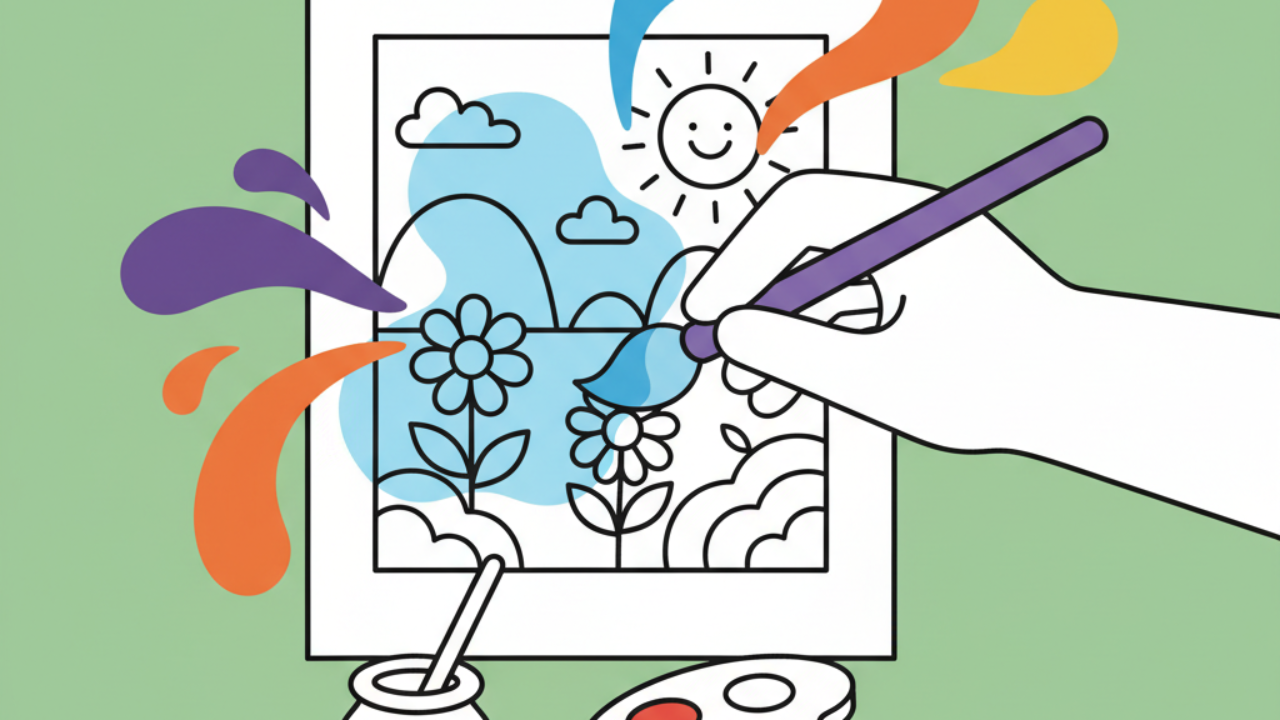
Learn simple techniques to paint your coloring pages with watercolor on regular printer paper without tearing or warping. Practical art tips for stress-free fun! 🎨
Choosing the Perfect Coloring Page for Beginners
Watercolor painting is one of the most relaxing hobbies out there, but when we use free printable coloring pages on standard printer paper (copy paper), the excess water can be a challenge. The first step to success is choosing drawings with clear outlines and well-defined spaces that make applying the paint much easier.
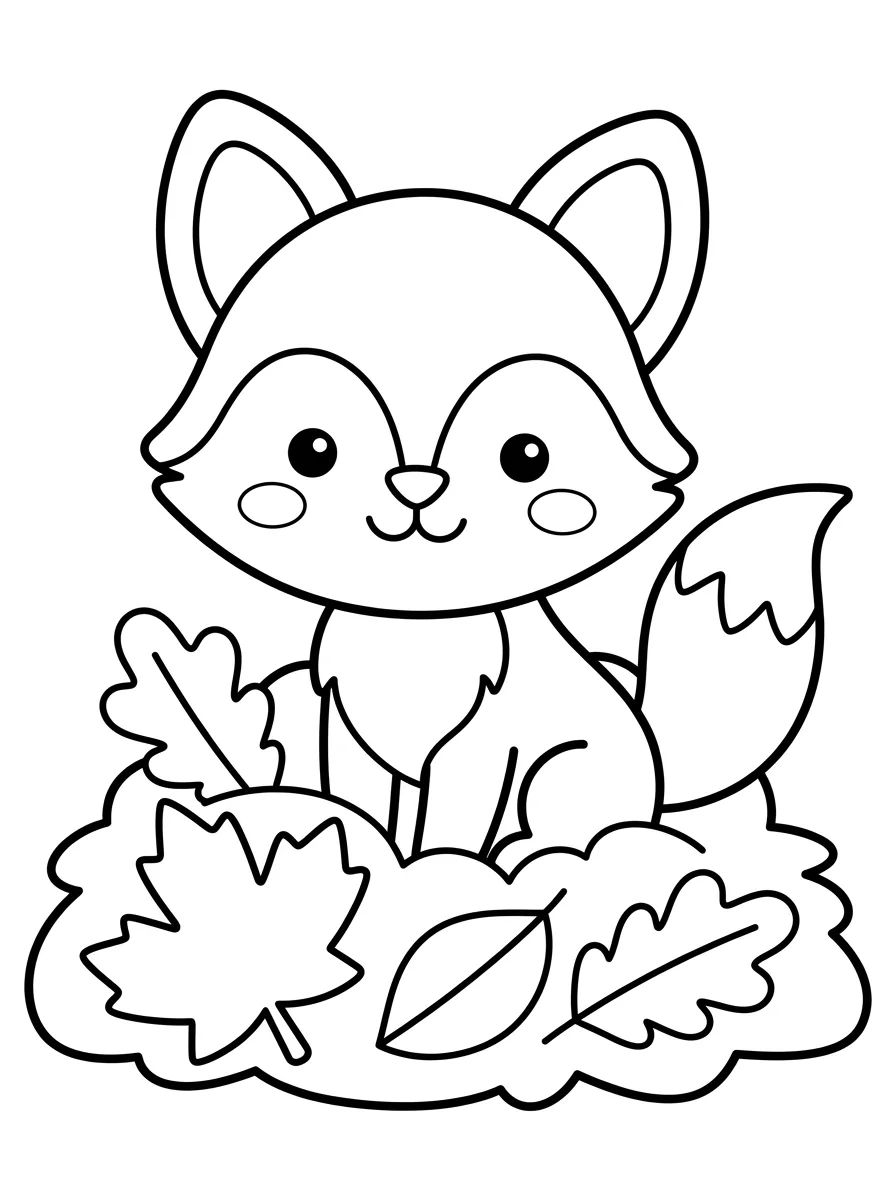
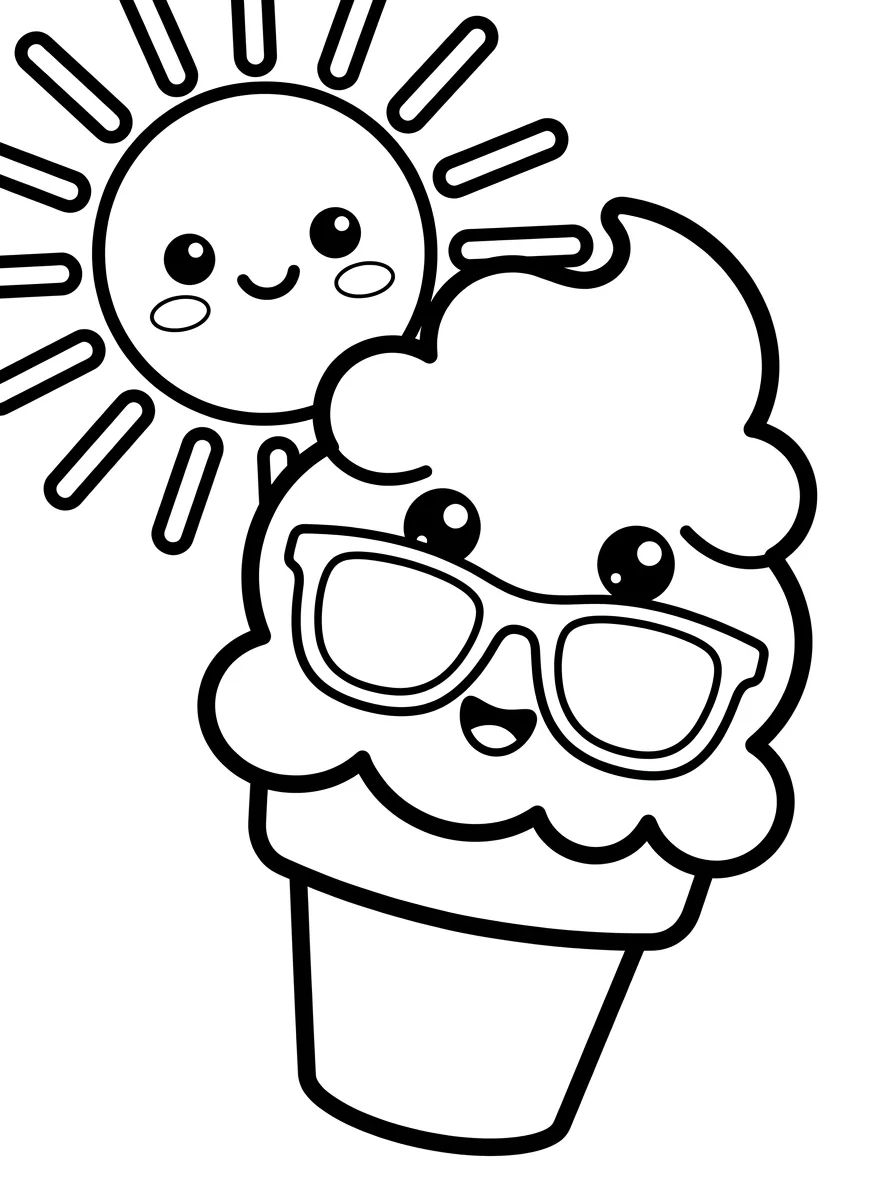
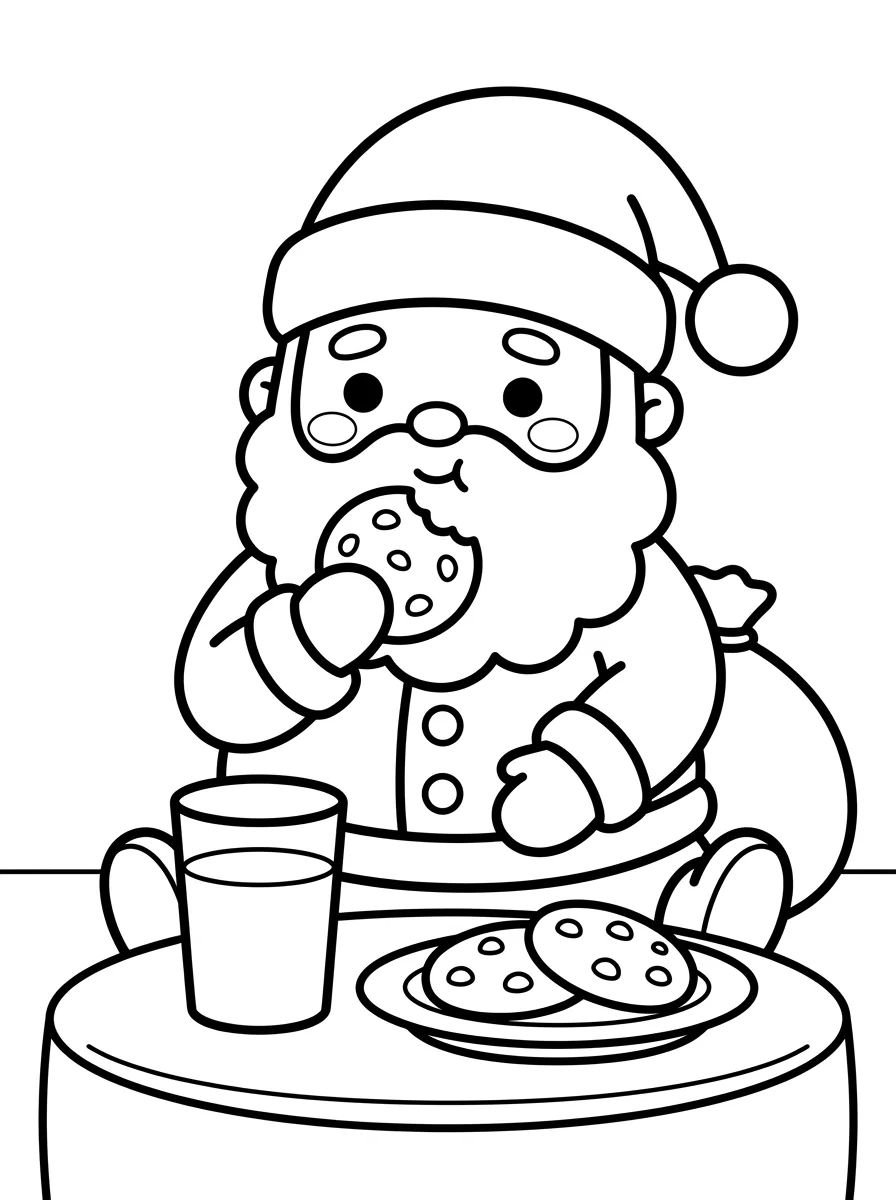
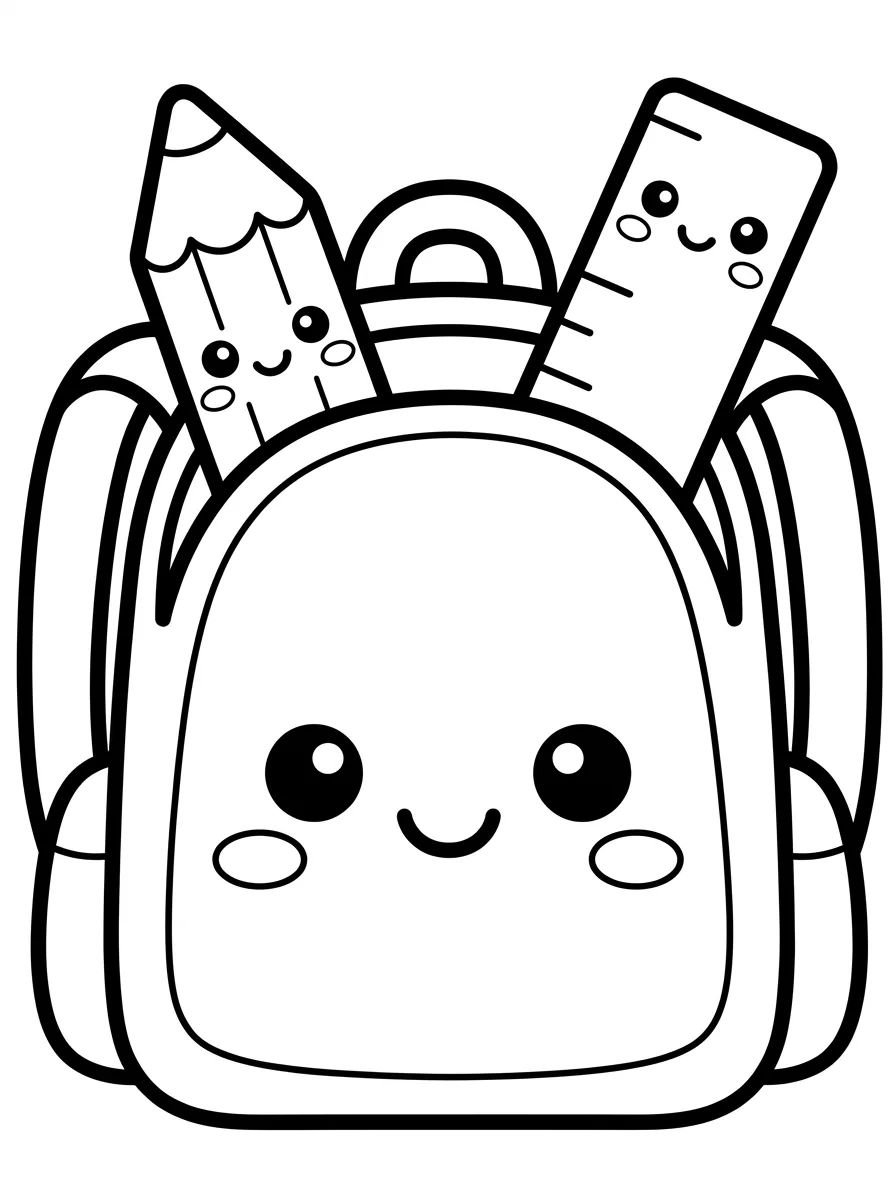
On the Desenhando e Colorindo portal, you’ll find thousands of kids' line art options and cute drawings that are perfect for this technique. By selecting an image with thicker borders, you create a visual and physical barrier that helps contain the watercolor moisture, preventing colors from bleeding into each other on thin paper.
This August, coloring at home is becoming a top-tier pastime for those cozy afternoons. To get started, make sure your print was done on a laser printer if possible, as inkjet printer ink can smudge when it comes into direct contact with water.
Prepping Printer Paper for Water
Standard 20lb or 24lb paper wasn't designed to handle heavy water loads, as its fibers expand quickly, causing that dreaded "wrinkled" effect. However, there are professional hacks to use your favorite coloring sheets without ruining the material. The secret lies in prepping the surface before the brush even touches the page.
A technique widely used by artists is to tape the paper to a rigid surface, like a clipboard or a glass desk, using masking tape on all edges. This keeps the paper stretched while it gets wet and dries, minimizing the waves that form during coloring activities. Additionally, you should apply the paint strategically, working in very thin layers.
Pro-tip: Use a hair dryer on the cool setting to speed up the drying of each layer. This prevents moisture from soaking deep into the printer paper fibers, preserving the integrity of your masterpiece.
Essential Supplies to Start Painting Now
For those exploring the world of printables, you don't need to invest in expensive materials right away. You can achieve great results with simple items that spark both kids' and adults' creativity. Below, we've listed the essentials for your journey with Desenhando e Colorindo:
- Soft-bristle brushes (various sizes for details and filling);
- A palette or a white ceramic plate to mix your watercolor shades;
- Paper towels or a cotton cloth to control the water load on the brush;
- A cup of clean water to rinse the brush between colors;
- Watercolor pencils (an excellent alternative if you're nervous about using too much water).
Dry-on-Dry Techniques for Copy Paper
The "wet on dry" technique is the most recommended for coloring drawings printed on regular paper. It consists of applying a damp brush with paint onto completely dry paper. This gives the artist much more control over where the paint stays, preventing it from spreading uncontrollably and causing ugly bleeds on the back of the sheet.
As you practice this on our educational drawings, you'll notice the colors look more vibrant and the edges stay crisp. It’s crucial not to scrub the brush repeatedly in the same spot, as printer paper can start to pill (those tiny paper balls). Use a single stroke and let it dry before revisiting that area.
If you want a soft gradient effect, try using the bare minimum amount of water. Pan watercolors are usually easier to control than tube watercolors for this, as they allow you to pick up paint with a just-damp brush, creating a creamy texture that copy paper handles much better.
How to Prevent Bleed-Through
One of the biggest issues reported by fans of digital coloring books is the paint soaking through and staining the table or the page underneath. To avoid this, always place a piece of cardboard or a plastic protector under the page you are currently painting. This protects your surfaces and ensures the moisture doesn't ruin other sheets.
Another secret is using a fixative spray (or even hairspray in a pinch) before you start, though this requires care not to over-seal the paper and prevent color absorption. The key is brush control. If the paper starts to look shiny from the water, stop immediately and wait for it to dry.
Color Variations and Creative Mixing
Exploring online coloring is fun, but the tactile experience of watercolor is unique. You can create custom colors by mixing basic paints on your palette. Remember that in watercolor, the "white" is the paper itself. If you want a lighter shade, add more water to the mix instead of using white paint. This maintains the transparency the technique is known for without overloading the paper weight.
The Influence of AI Art on Manual Creativity
Currently, Desenhando e Colorindo uses AI-generated drawings to offer complex and detailed patterns that were once hard to find. These drawings are great for practicing watercolor because they have balanced compositions that guide the artist's eye. By printing AI art, you have a professional base to apply your manual painting techniques.
This fusion of technology and classic art helps kids and adults develop fine motor skills and color perception in an innovative way. The important thing is not to be afraid of making mistakes. If a part of the paper wrinkles a bit, you can iron the drawing (on the back side with a protective cloth) once it's completely dry to smooth it out again.
- Choose drawings with bold, black outlines;
- Test the color on a scrap piece of paper before applying it to the main drawing;
- Always keep a light hand when handling the brush;
- Use a "stippling" technique to fill small areas without soaking the paper.
Exclusive Seasonal Coloring Pages
Whether it's rainy days or sunny afternoons, Desenhando e Colorindo offers themes for every mood. For indoor days, nothing beats printing cute drawings of animals in raincoats or umbrellas, which provide large areas to practice watercolor washes. Winter themes also feature elements like scarves and beanies, perfect for testing textures with a dry brush.
Consistently engaging in coloring activities helps reduce stress and improves focus. By leveling up your coloring with watercolor, you turn a simple hobby into a piece of home decor or a personalized handmade gift.
Tips for Conserving Your Artwork
After you finish your free printable coloring page, it’s essential to let it dry on a flat surface for at least two hours. Even if it feels dry to the touch, the inner fibers might still hold moisture. Once dry, you can frame your work or keep it in a plastic folder to prevent sunlight from fading the watercolor pigments over time.
Frequently Asked Questions
Can I use any type of watercolor on regular paper?
Yes, you can use both student-grade pans and professional sets. The secret isn't the paint brand, but the amount of water. Keep your brush damp, not soaking, to prevent the printer paper from tearing or bleeding.
How do I stop the paper from warping?
The best way to prevent warping is by taping the edges of the sheet to a hard surface with masking tape before you start. Also, avoid layering water in the same spot while the paper is still damp.
Is it better to print with inkjet or laser?
Laser printing is superior for watercolor because the toner is plastic-based and won't bleed. If you use an inkjet, the black lines might smudge. If inkjet is your only option, let the print dry for 24 hours before painting.
What are the best drawings for practicing watercolor?
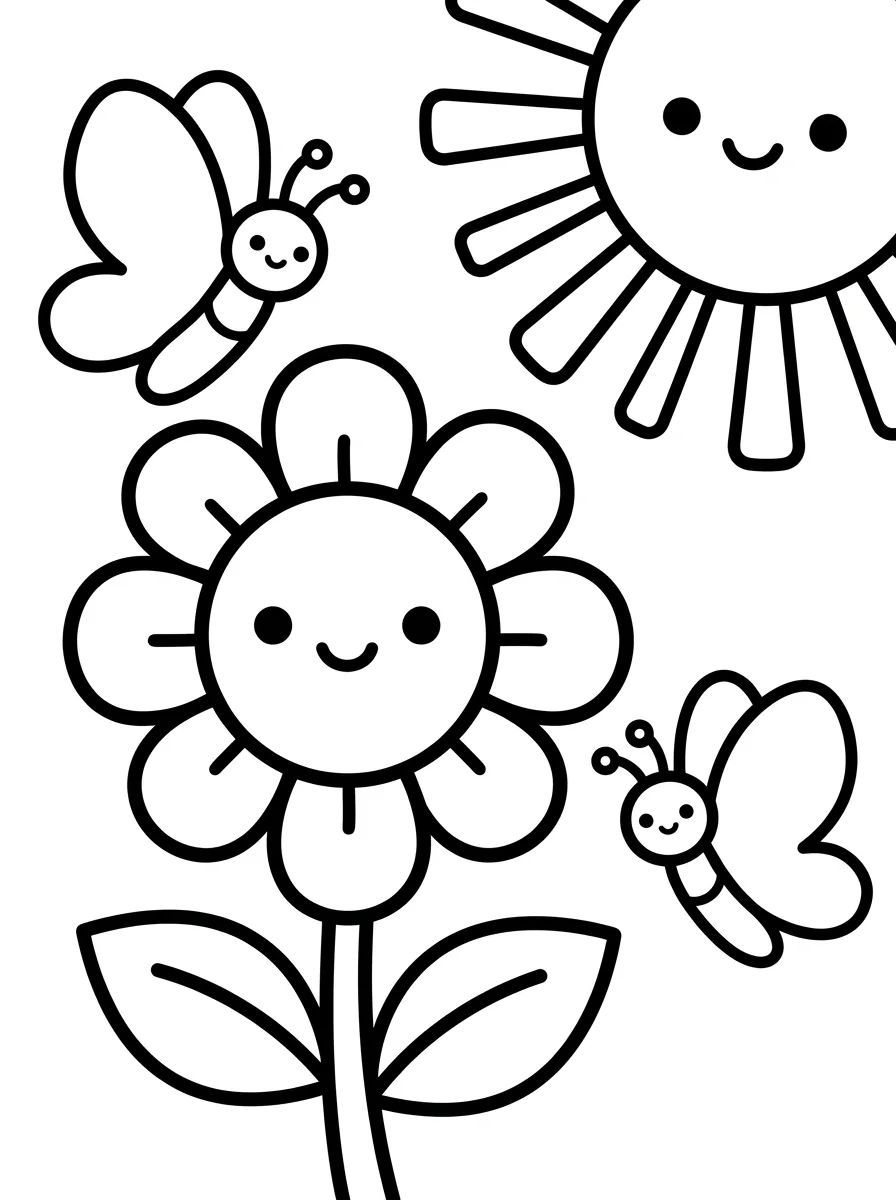
Drawings with large spaces and simple shapes, like big flowers, cute animals, or minimalist landscapes, are the best. At Desenhando e Colorindo, you can find specific kids' line art categories that are ideal for watercolor beginners.
Now that you've mastered the techniques to paint your favorite drawings without damaging the paper, why not start right now? Visit our gallery, pick your favorite images, and enjoy the best of free printable coloring pages. Let your imagination run wild with Desenhando e Colorindo and turn every page into a vibrant, living work of art!
Escrito e revisado por Armando Amaro
Fundador do Desenhando e Colorindo. Todo artigo passa por curadoria e revisão humana antes de ser publicado.