Primary Color Mixing Activities: Coloring Sheets for Kids
22 de setembro de 2026
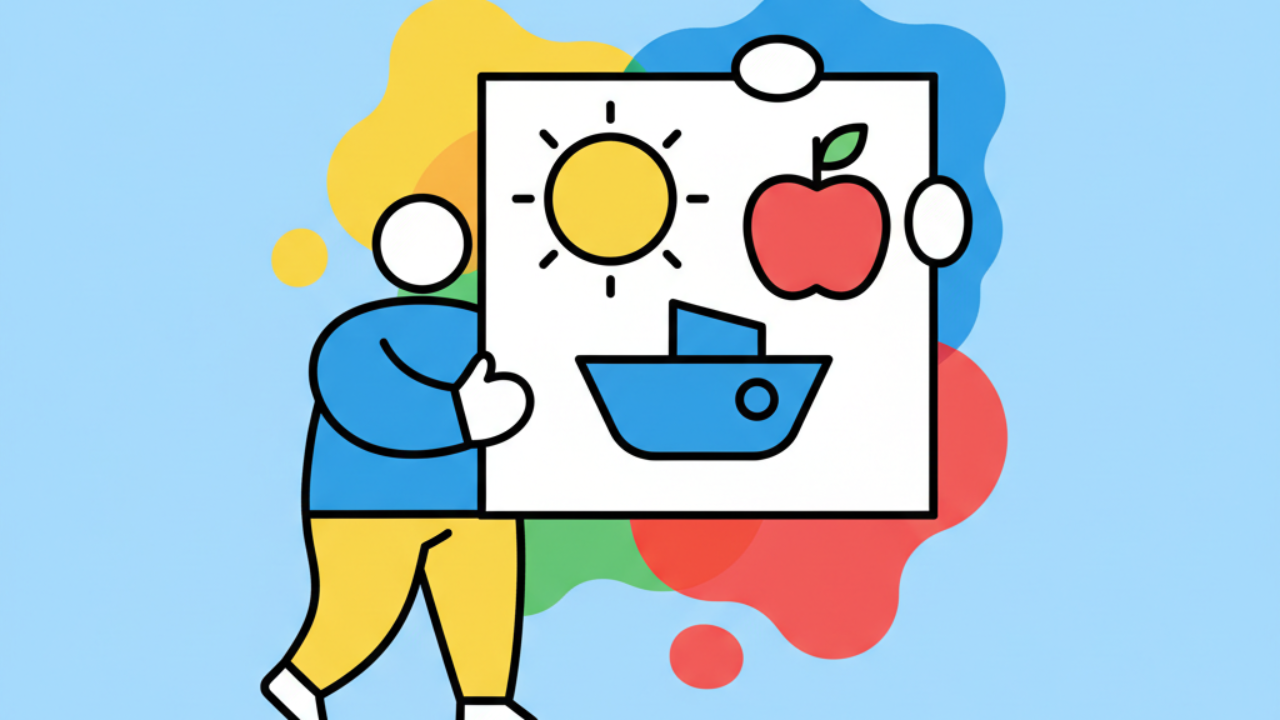
Learn how to teach primary colors with fun printable coloring pages. Perfect educational activities to spark creativity in the classroom this fall! 🎨
The Pedagogical Importance of Primary Colors in Early Childhood Education
Teaching primary colors — blue, red, and yellow — is one of the first pillars of visual and cognitive development in the classroom. During the school year, when activities are in full swing, using coloring pages to print becomes an indispensable tool for teachers and parents who want to reinforce these concepts in a fun way. 🎨
When a child uses kids' line art to apply a specific color, they aren't just filling in a blank space. They are developing fine motor skills, spatial perception, and, most importantly, the ability to identify the building blocks of every other shade found in nature.
Using coloring sheets focused on primary colors allows students to understand that these three colors are pure and cannot be created by mixing others. This understanding is the foundation for future, more complex art lessons and for making sense of the visual world around them.
Developing Visual Perception with Educational Drawings
Educational coloring pages that feature large areas make it easier to apply solid colors. For younger children, the ideal approach is to offer simple figures, like fruits or everyday objects, where the primary color is the star, reinforcing the cognitive association between the object and its color. 🍎
How to Introduce the Color Wheel Through Coloring Activities
The color wheel might sound like an advanced concept, but it can be introduced easily through coloring activities. By printing designs with interlocking geometric shapes, educators can show how blue meets yellow, creating a new visual field on the paper.
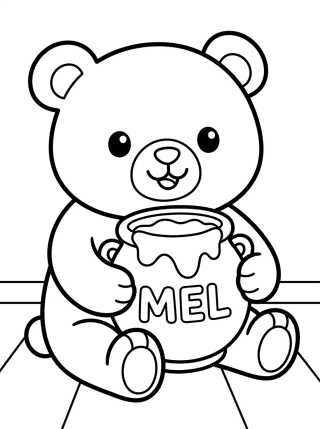
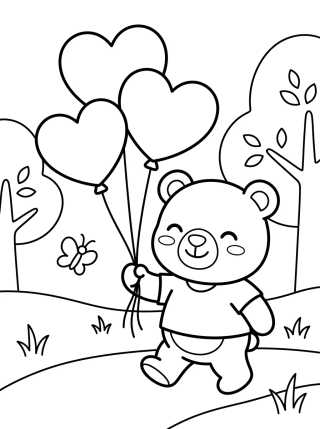
Using cute drawings of characters holding balloons or giant crayons helps keep kids engaged. The child feels motivated to complete the chromatic challenge, turning a sheet of paper into a safe and fun artistic laboratory.
Advantages of Using Printable Coloring Pages in Teaching Colors
- Easy access to diverse and themed materials.
- Zero cost for schools and families through Desenhando e Colorindo.
- The ability to repeat the activity to reinforce learning.
- Encouraging child autonomy in choosing their painting materials.
Pro Tip: To teach mixing, ask the child to color lightly with blue and then go over it with yellow. Seeing green emerge on the printable drawing is a moment of magic discovery for the little ones! ✨
Painting Techniques to Make Primary Colors Pop on Paper
When working with printable art, the choice of materials influences the final result. Crayons are excellent for filling large areas of coloring pages, while colored pencils allow for greater precision in the details of kids' line art.
To make primary colors stand out, guide students to apply steady pressure. Vibrant red, deep blue, and sunny yellow jump off the page when applied uniformly, making it easier to memorize each shade's name during art class.
Using Paints and Brushes on Printed Drawings
If you choose to use tempera or gouache on free coloring pages, make sure to use slightly heavier paper or control the amount of water. Primary colors in paint tend to be more saturated, which helps with immediate visual identification for children in the literacy stage. 🖌️
The Psychology of Primary Colors in Kids' Activities
Each primary color triggers a different feeling. Yellow is linked to energy and joy, blue to calm, and red to attention and action. Using printable coloring pages that explore these emotions can help a child's emotional balance during school activities.
For example, drawings of the sun and flowers usually call for yellow, while oceans and skies call for blue. This logical association helps the child organize their thoughts and apply colors consistently with reality—or even creatively subvert it!
Boosting Creativity with AI-Generated Drawings
Nowadays, AI drawings offer infinite variations of themes. This allows teachers to find exactly what they need for their lessons, from complex animals to abstract shapes that challenge the application of primary colors in unique contexts. 🤖
Lesson Planning with Free Coloring Pages
A good lesson plan should be divided into steps. First, the presentation of the color. Second, practice with coloring sheets. Third, a discussion on where that color is found in the real world. This method ensures knowledge isn't just memorized but absorbed practically.
Using the Desenhando e Colorindo library makes this planning easier, as you can download several models at once, ensuring every student has an option they like, which increases interest in the task at hand.
Theme Suggestions by Primary Color
- Red: Apples, fire trucks, hearts, and strawberries. 🍓
- Blue: Whales, rain clouds, uniforms, and ocean waves. 🌊
- Yellow: Sunflowers, chicks, stars, and bananas. 🌻
- Mixes: Rainbow drawings to practice the transition between colors.
Benefits of Digital Coloring vs. Paper Coloring
While coloring online is an excellent tech tool for digital motor skills and quick entertainment, the act of printing a drawing brings irreplaceable tactile benefits. The contact with the paper and the control of pencil pressure are fundamental for fine motor development.
However, digital tools can serve as a "draft." A child can test primary color combinations in a digital coloring book before moving to the final printed version, which reduces frustration with potential mistakes.
Integrating Tech and Tradition in Art
Many teachers use tablets to show examples and then distribute the printable coloring pages physically. This hybrid approach prepares the child for the modern world without sacrificing the classic manual skills of art education. 💻+🖍️
Tips for Organizing a Personalized Digital Coloring Book
You can create a folder on your computer just for free drawings downloaded from our site. Organize them by theme or difficulty level. This makes it easy to quickly print an activity for a rainy day or free time at school.
Having a line art portfolio ready to go saves time and ensures you always have quality educational material at your fingertips, whether for home use or in the classroom, keeping the little ones constantly engaged.
How Lighting Affects Primary Color Perception
When doing coloring activities, it’s important to ensure the environment is well-lit. Natural light allows the child to see the true pigmentation of primary colors on the paper. In dark classrooms, blue and purple can be confused, hindering the learning process.
Encourage students to observe how yellow shines in the sun and how red changes tone in the shade. These observations turn the simple act of coloring into a real science and physics lesson about light, enriching the pedagogical experience. ☀️
Frequently Asked Questions
What are the three primary colors for coloring?
The traditional primary colors used in pigments (pencils, paint, crayons) are red, blue, and yellow. From these, all other colors can be created.
At what age can children start coloring activities?
Children as young as 2 years old can start scribbling on coloring pages with supervision, using jumbo crayons that are easier to grip and help with motor development.
How do I print coloring pages in high quality?
To get the best kids' line art, make sure to download the file in its original resolution and set your printer to "high quality" or "photo/image" mode.
Can I use Desenhando e Colorindo art in school?
Yes! All our free printable coloring pages are perfect for classroom use, educational projects, and recreational activities at home.
We hope this guide on applying primary colors to school activities helps make learning much more colorful and fun for the little ones. Remember, the secret to a great art education is constant practice and access to good materials. Browse our categories, pick your favorite themes, and start printing the best drawings right here at Desenhando e Colorindo! 🎨✨
Escrito e revisado por Armando Amaro
Fundador do Desenhando e Colorindo. Todo artigo passa por curadoria e revisão humana antes de ser publicado.