Crayon Coloring Activities for 3-Year-Olds
25 de agosto de 2026

Discover printable coloring pages perfect for crayons. Fun activities for toddlers that boost fine motor skills and creativity! 🎨✨
The Importance of Crayons in First Artistic Experiences
The age of three is a fundamental milestone in child development. At this stage, children begin to refine their palmar grasp and fine motor skills, making coloring pages an essential pedagogical tool. Crayons are the ideal material for this phase, offering a soft texture and vibrant colors that capture the attention of little artists.
At Desenhando e Colorindo, we select illustrations with thick lines and wide areas, making it easier to fill for hands that are still discovering movement control. Coloring activities are not just about fun; they help children understand spatial boundaries and express emotions through colors.
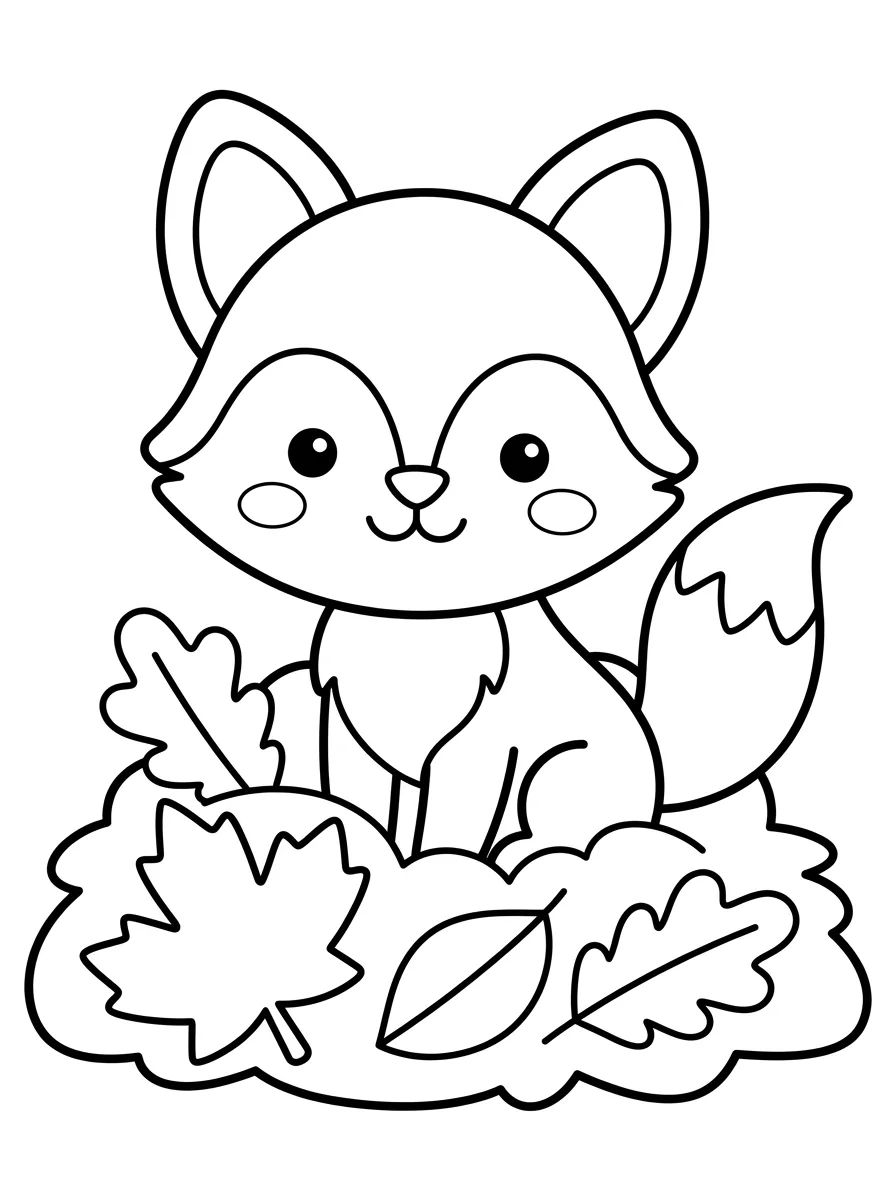
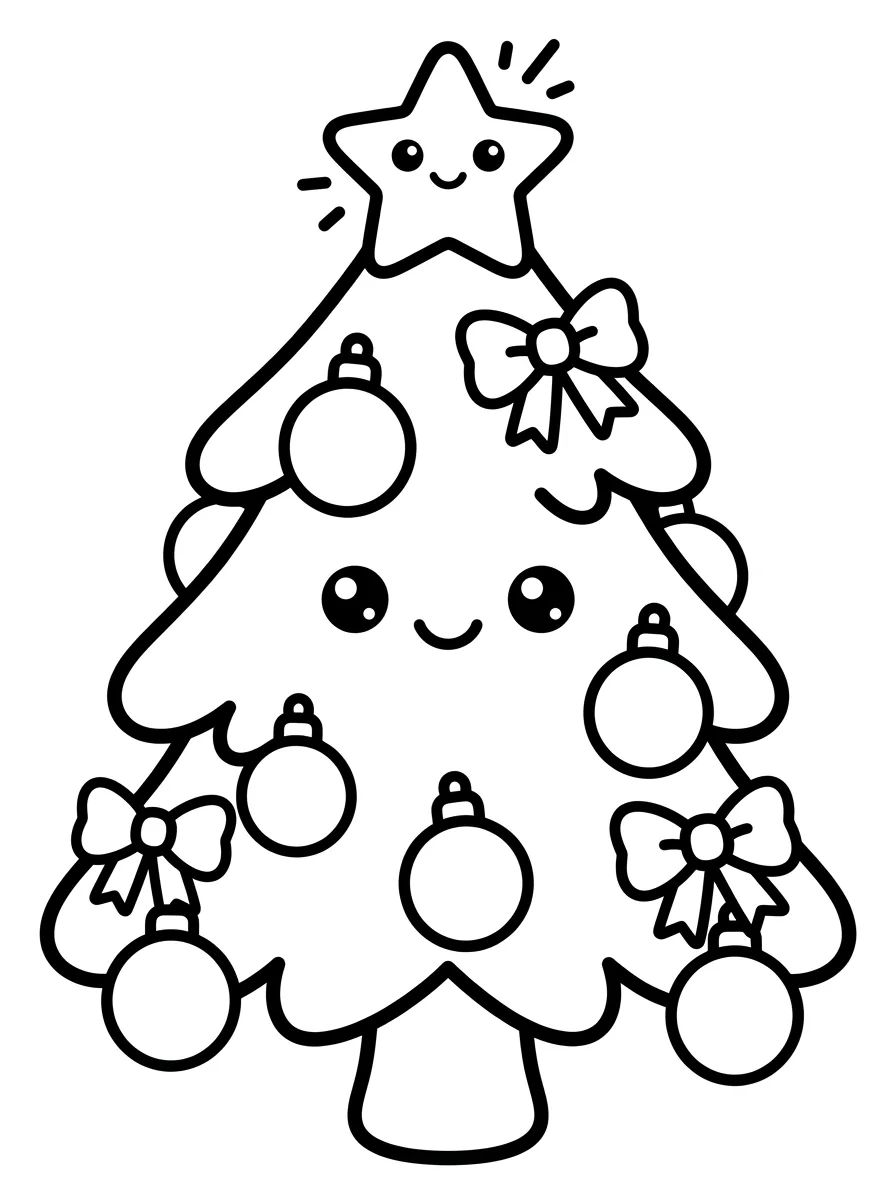
By offering age-specific printable art, you ensure that the child doesn't feel frustrated. Drawings with too much detail can be overly complex; therefore, we prioritize simple geometric shapes, cute animals, and everyday objects that belong to a 3-year-old's playful universe.
Educational Benefits of Free Printable Coloring Sheets
Using a digital coloring book or downloading individual sheets provides enormous versatility for parents and educators. Repetition is a form of learning, and having the freedom to print the same drawing multiple times allows the child to experiment with different color combinations without fear of making mistakes.
Furthermore, contact with paper and crayons stimulates tactile perception—something that online coloring, while fun, cannot fully replace at this age. The pressure applied to the paper helps strengthen hand muscles, preparing the child for the future stages of literacy and writing.
Pro Tip: For 3-year-olds, opt for 'jumbo' or triangular crayons. They fit better in tiny hands and don't break easily when the child applies more force to the paper during coloring.
How to Choose the Best Coloring Pages for Beginners
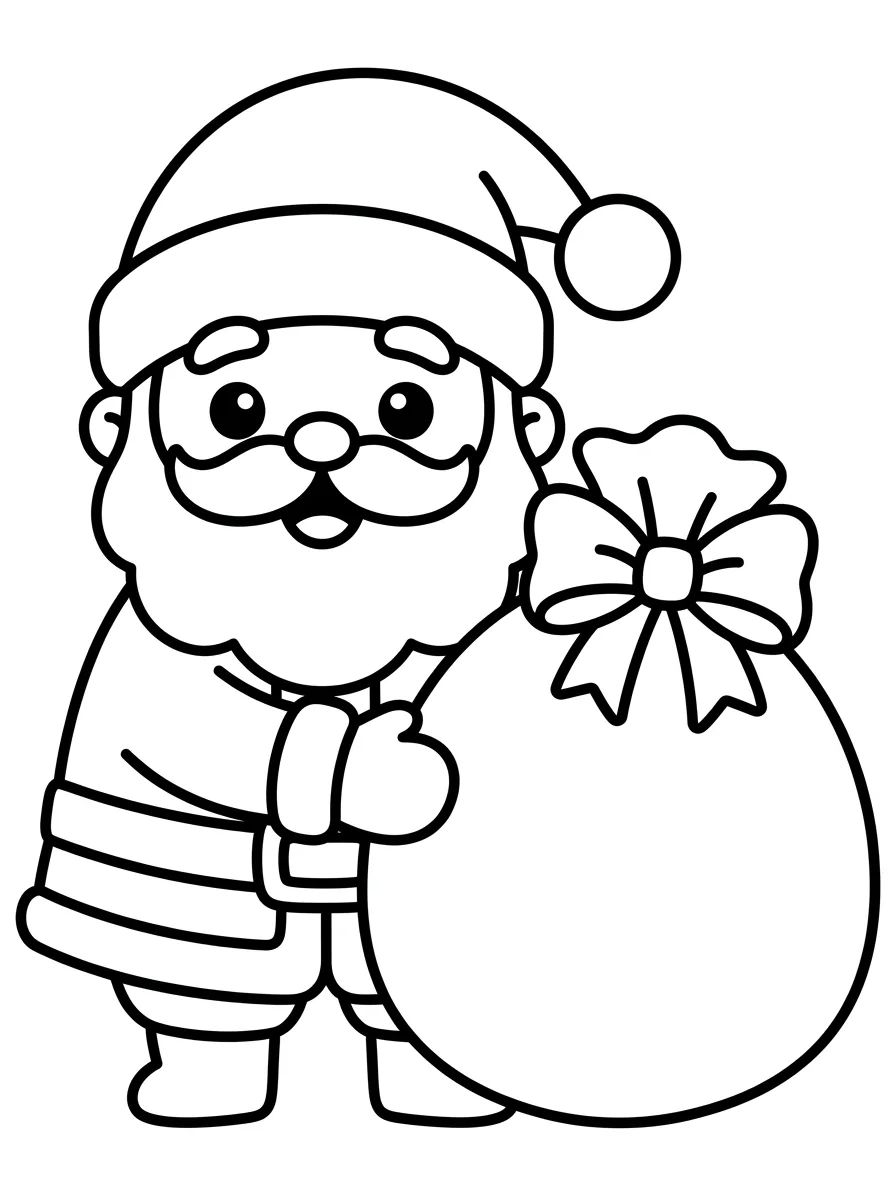
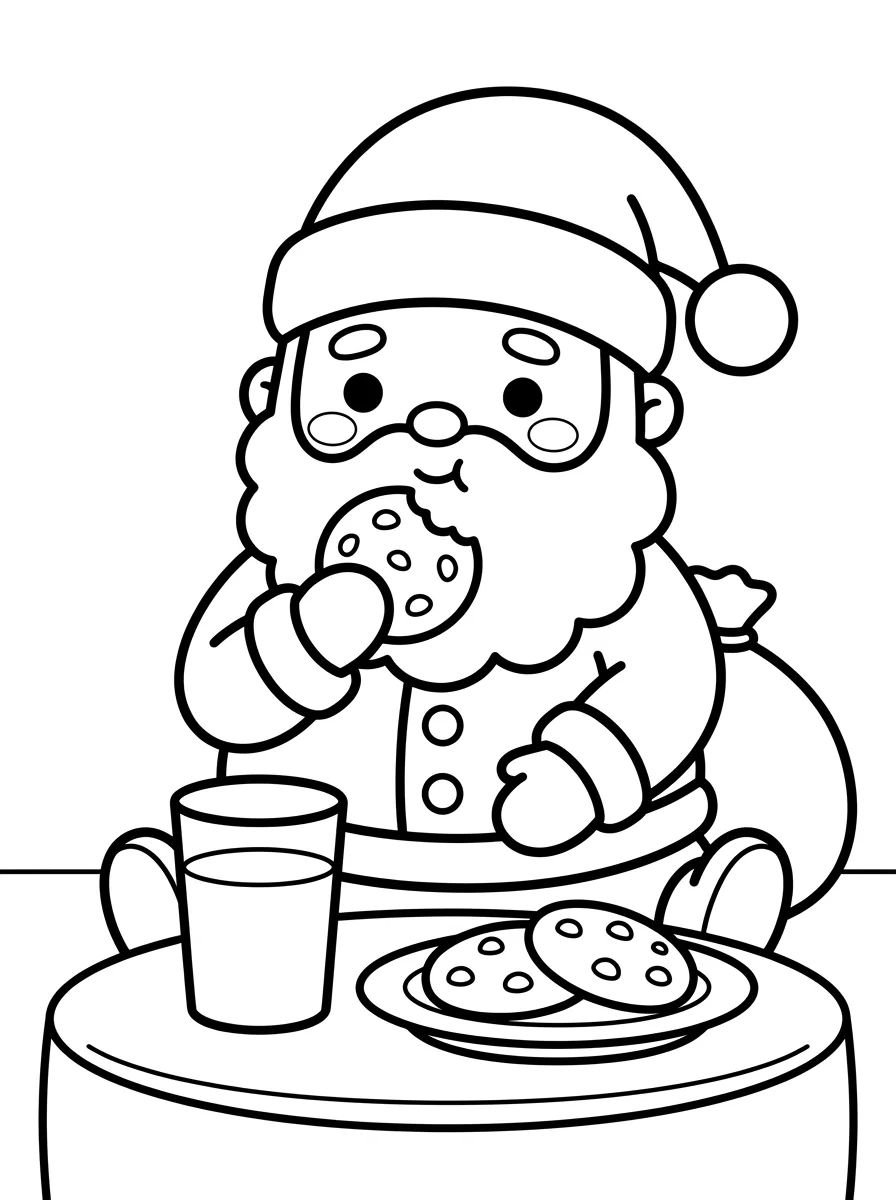
Not every image is suitable for a small child. When looking for coloring pages on our site, search for categories like 'Simple Shapes' or 'Big Animals.' The secret lies in the contrast: the thicker the black outline (the children's line art), the easier it will be for the child to identify where they should paint.
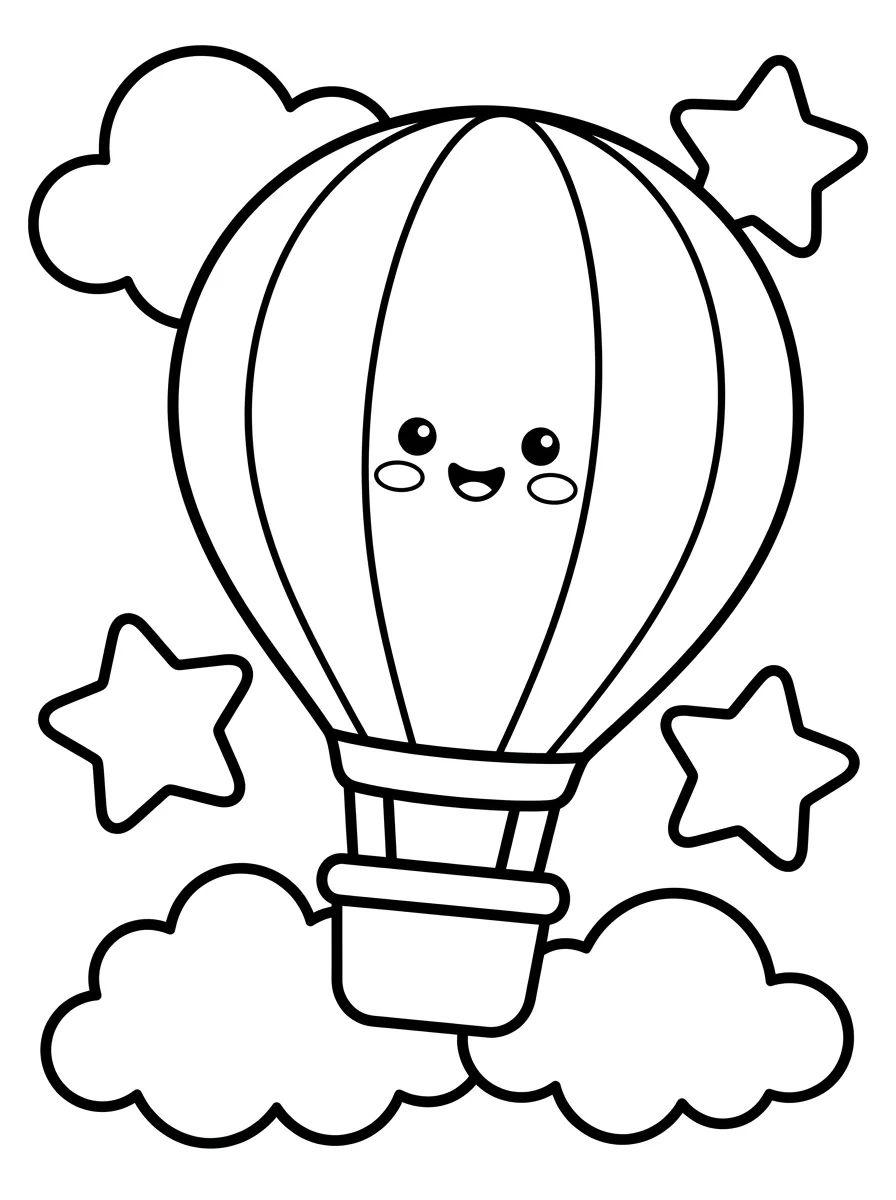
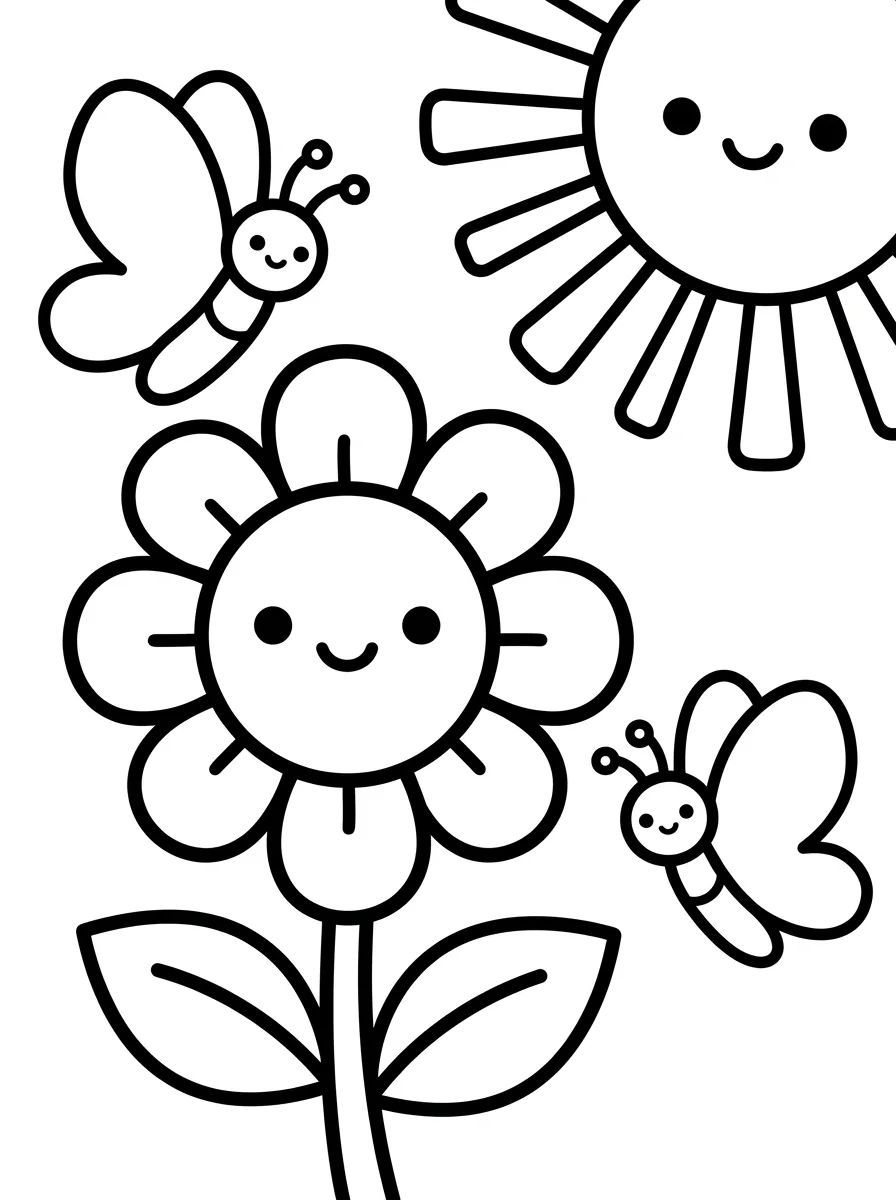
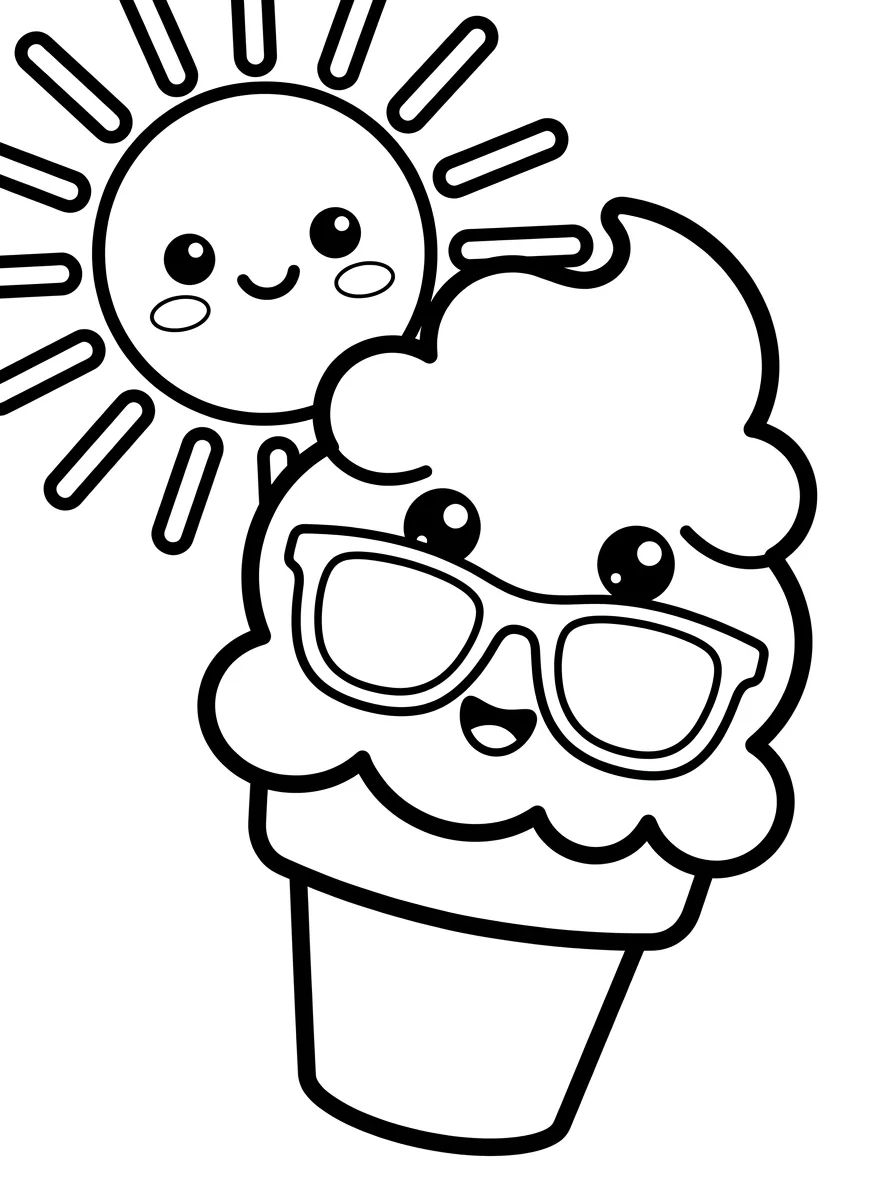
Another important point is the theme. Drawings of fruits, the sun, clouds, and houses are excellent starting points. They allow the child to associate the real color of the object (the sun is yellow, the apple is red) with the practical activity, reinforcing cognitive learning in a natural and fun way.
Coloring Techniques for 3-Year-Olds
Teaching a three-year-old to use crayons requires patience and playfulness. Start by encouraging circular motions and, gradually, show them how to fill spaces from top to bottom. Don't demand perfection; the focus should be on exploring the material and the pleasure of seeing color emerge on the blank paper.
You can also mix techniques. How about printing an educational drawing and encouraging the child to make collages with scrap paper inside the areas colored with crayons? This expands the sensory experience and makes an afternoon of arts much richer and more engaging.
- Broad Movements: Let the child use their entire arm to color, not just the wrist.
- Color Selection: Offer a limited palette (3 to 5 colors) so as not to overwhelm the child's decision-making.
- Praise the Process: Value the effort and the choice of colors more than the final result within the lines.
Exploring AI-Generated Drawings for Customization
One of the great innovations at Desenhando e Colorindo is the possibility of creating AI-generated drawings. If your 3-year-old specifically loves 'an elephant playing ball at the beach,' our AI tool can generate that exclusive image in line art format for you to print instantly.
This technology allows coloring activities to be personalized according to the child's immediate interests, increasing engagement. Imagine the joy of coloring exactly what was imagined! It is the union of technology with the tradition of paper and crayons, stimulating child creativity at a new level.
The Ideal Environment for Coloring at Home
For the experience with printable art to be productive, set up a bright and comfortable space. A child-height table and a sturdy chair are essential. Avoid distractions like the TV being on, allowing total focus on eye-hand coordination.
Keeping a painting kit always organized encourages autonomy. When a child knows where their free printable coloring pages and crayons are, they feel invited to practice art spontaneously, transforming moments of boredom into pure creative expression.
Why Using Cute Drawings Stimulates Empathy
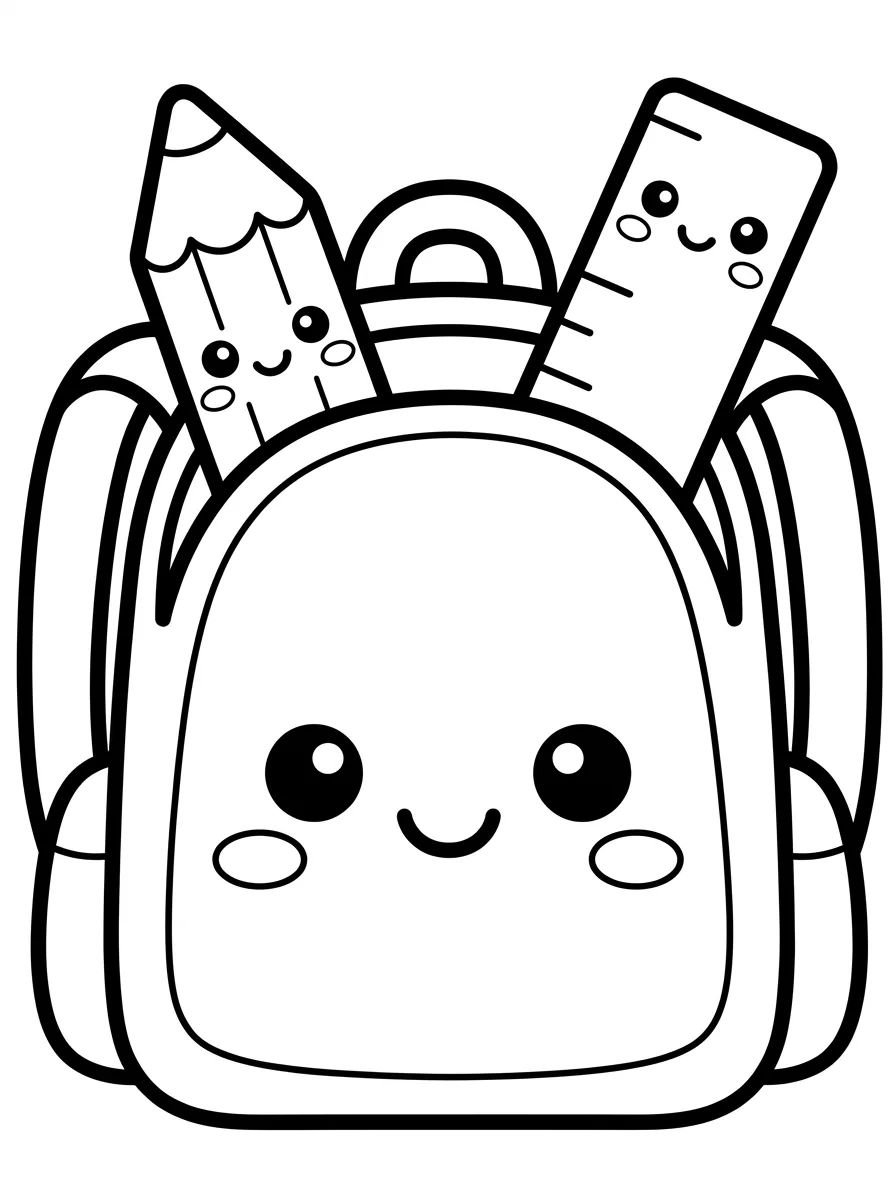
Studies indicate that children connect emotionally with characters that have 'kawaii' features or cute drawings (big eyes, rounded shapes). By coloring a puppy or a smiling character, the child develops notions of affection and care while choosing colors to 'bring to life' that new friend on paper.
On our portal, the cute drawings section is one of the most visited for the 3-year-old age group. These are clean illustrations without visual clutter, allowing the child to focus on applying color and finishing their artistic project with pride.
- Animal Drawings: Stimulate vocabulary and knowledge about nature.
- Vehicle Drawings: Trucks, cars, and planes with simple lines for little drivers.
- Nature Drawings: Large flowers and trees to teach about the seasons.
Tips for Preserving Finished Drawings
After the child finishes their masterpiece with crayons, what should you do? Creating an 'art gallery' on the fridge or on a clothesline in their bedroom is an excellent way to validate the child's work. This boosts self-esteem and motivates them to continue practicing their coloring skills.
If you want to keep the drawings longer, a tip is to apply a light layer of art spray varnish or even transparent contact paper, preventing the crayon from smudging over time or staining other sheets stored in folders.
Difference Between Crayons and Colored Pencils for 3-Year-Olds
Many parents ask if they should offer colored pencils at this stage. The answer is that crayons are ergonomically superior for 3-year-olds. Colored pencils require precision and fingertip strength (the 'pincer grasp') that many children are still developing. Crayons glide easily, providing immediate visual gratification that keeps the child's interest in the activity for longer.
Frequently Asked Questions
What is the best type of paper for printing crayon drawings?
Standard printer paper (20lb/75g) works fine, but if you want a better experience, 24lb or 32lb (90g-120g) paper is more resistant to the pressure that 3-year-olds usually apply with crayons.
How can I encourage my child to stay inside the lines?
At age 3, it is perfectly normal to color outside the lines. To help with the transition, choose drawings with very thick, dark borders. With time and constant practice, fine motor coordination will develop naturally.
Can I use crayons in online coloring?
The online coloring tool at Desenhando e Colorindo simulates different textures, including crayons. It's a great option for trips or times when you don't have paper and a printer handy, helping with color selection before physical painting.
Where can I find free educational drawings to print?
Here at Desenhando e Colorindo, we have an exclusive category of educational drawings that include numbers, large letters, and geometric shapes, all specifically designed for preschoolers.
Now that you know all the benefits and tips for enjoying crayon coloring activities, how about starting right now? Explore our vast library, pick your little one's favorite themes, and take the chance to print for free dozens of options. Turn your time at home into a festival of colors and learning with Desenhando e Colorindo, your number one destination for children's creativity!
Escrito e revisado por Armando Amaro
Fundador do Desenhando e Colorindo. Todo artigo passa por curadoria e revisão humana antes de ser publicado.