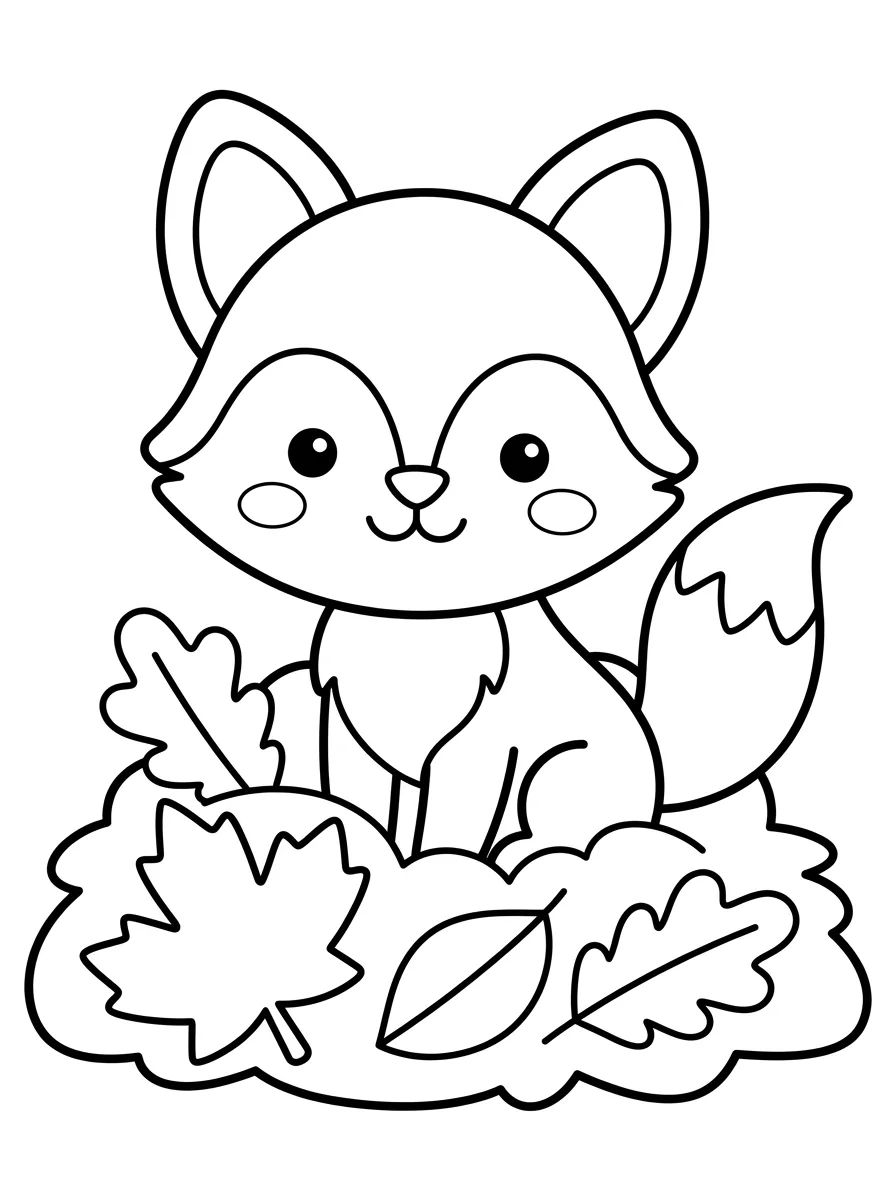
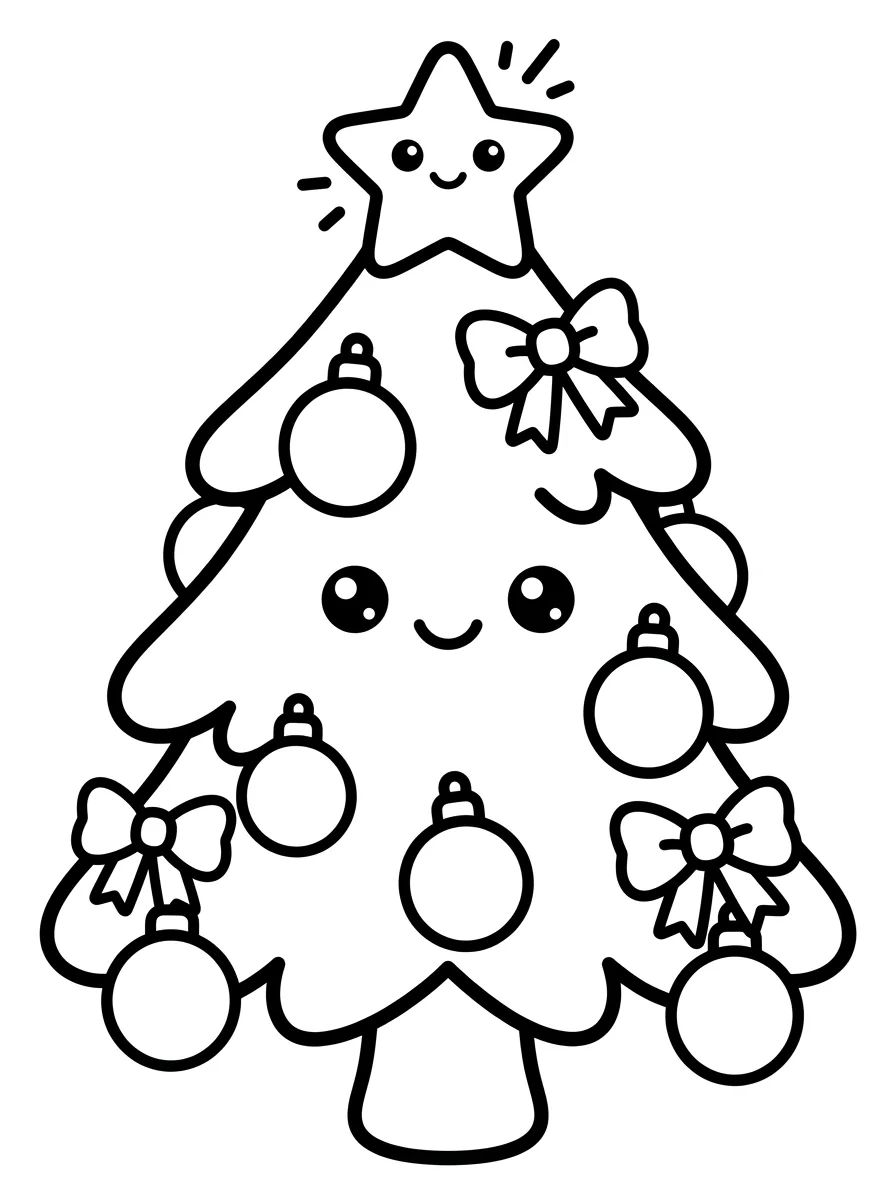
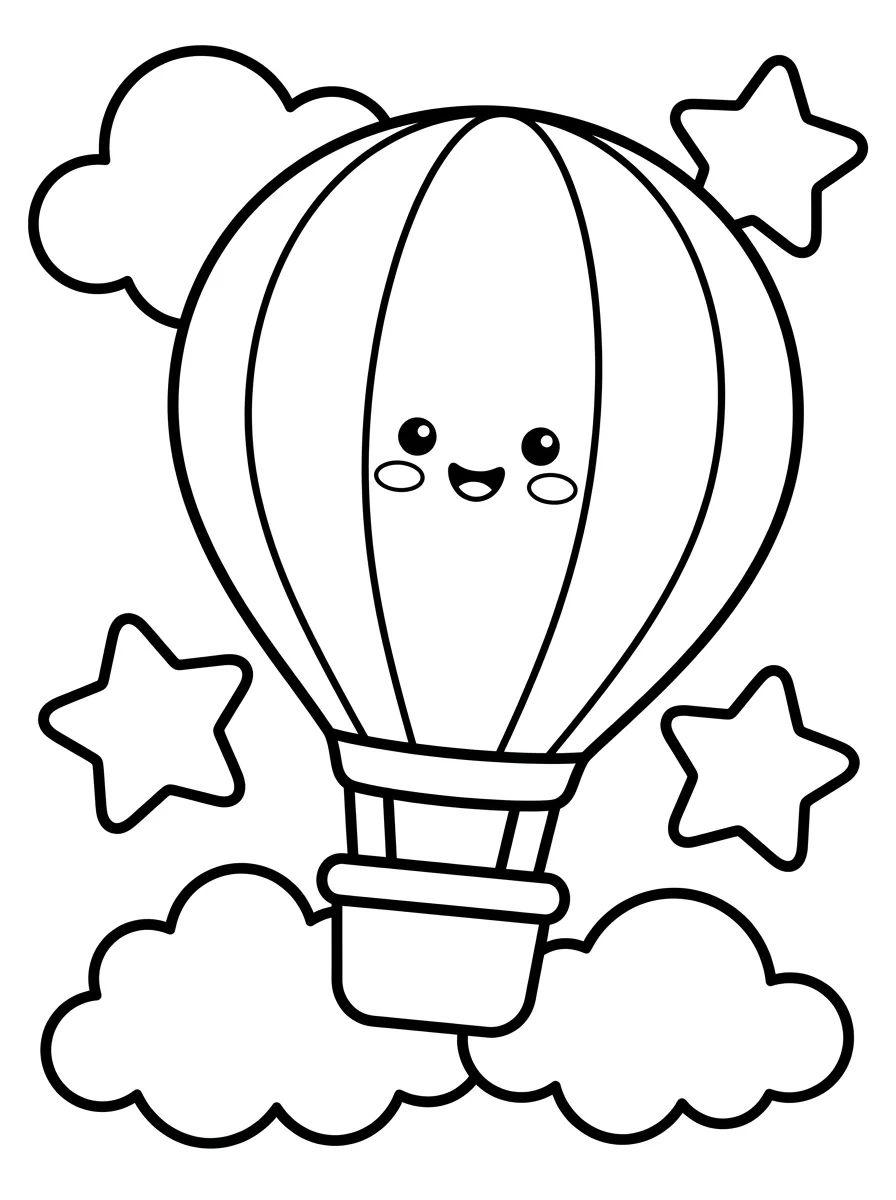
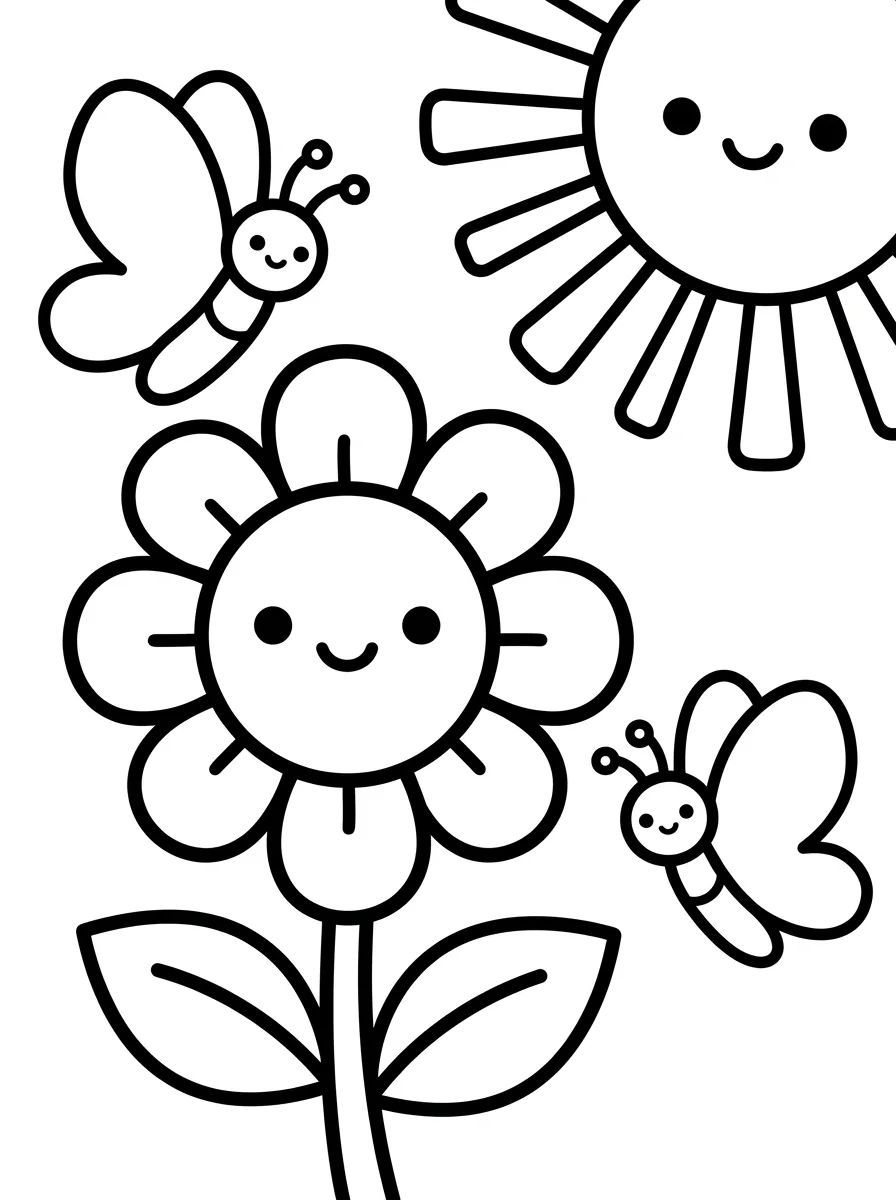
Atividades de colorir pedagógicas para crianças de 4 a 6 anos
25 de agosto de 2026

Descubra desenhos para colorir pedagógicos que estimulam a coordenação e criatividade de crianças de 4 a 6 anos. Baixe e imprima atividades grátis agora!
The age range of 4 to 6 years is a fundamental milestone in child development, where curiosity peaks and fine motor coordination begins to refine. At Coloring & Drawing Fun, we understand that educational coloring activities are powerful tools to help teachers and parents on this educational journey, transforming playtime into a fun and effective learning experience.
The Educational Importance of Coloring Pages
The act of holding a crayon, choosing colors, and staying within the lines of a free printable drawing goes far beyond mere entertainment. For children in this age group, these tasks help strengthen the small muscles in their hands, directly preparing them for future literacy and cursive writing.
Beyond motor skills, the focus required to fill in a complex kids' line art stimulates concentration and patience. In an increasingly digital world, offering physical educational coloring pages is a way to provide quality time away from screens, encouraging spatial reasoning and visual perception.
Developing Color Perception
At this age, children begin to associate colors with real-world objects, but they should also be encouraged to use their imagination. Using free coloring pages to print allows them to experiment with combinations, understand basic color theory, and express their emotions through printable art.
Pro Tip: For 4-year-olds, use thicker crayons, which are easier to grasp (palmar grip). For 6-year-olds, introduce soft colored pencils to help them learn to control hand pressure on the paper.
Benefits of Coloring Activities for Literacy
Many people don't realize it, but coloring is the first step toward writing. By following the outlines of cute drawings or themed letters, children develop a sense of direction (left to right, top to bottom), which is the foundation of reading and writing.
Integrating coloring activities that contain alphabet elements or initial numbers helps with visual memorization. At Coloring & Drawing Fun, we focus on offering a digital coloring book that can be printed at home, facilitating access to high-quality educational materials at no cost.
Stimulating Creativity and Autonomy
When a child chooses which colors to use in their online coloring or on paper, they are exercising their autonomy. This builds confidence. Seeing the final result of a completed drawing brings a sense of accomplishment that is vital for self-esteem during this preschool phase.
Types of Educational Drawings for Each Age
Although the 4 to 6 age range seems narrow, rapid developments occur. Therefore, diversifying the type of line art is essential to maintain the little ones' interest and ensure the challenge is appropriate for their developmental level.
- For 4-year-olds: Drawings with thick lines and simple geometric shapes (animated circles, squares, and triangles).
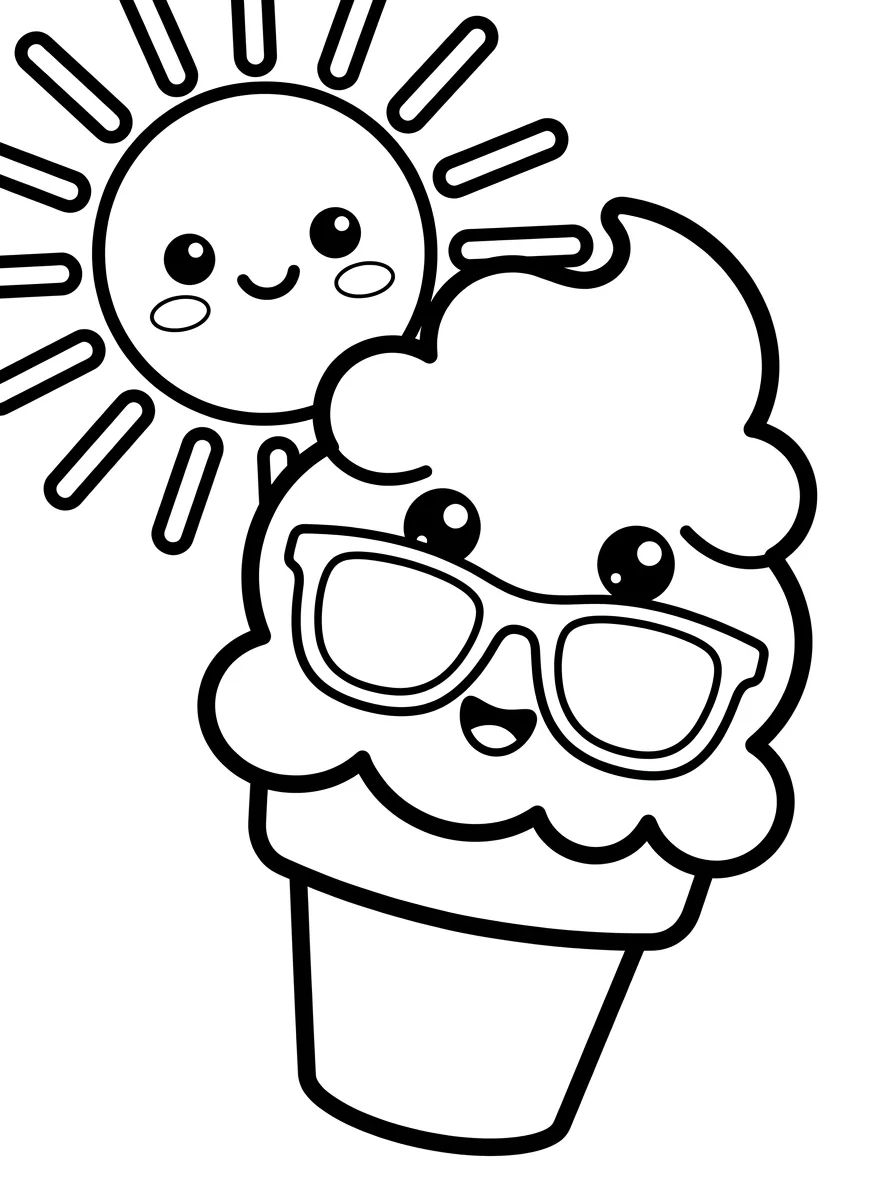
- For 5-year-olds: Nature themes, detailed animals, and scenes that include elements like the sun, clouds, and trees.
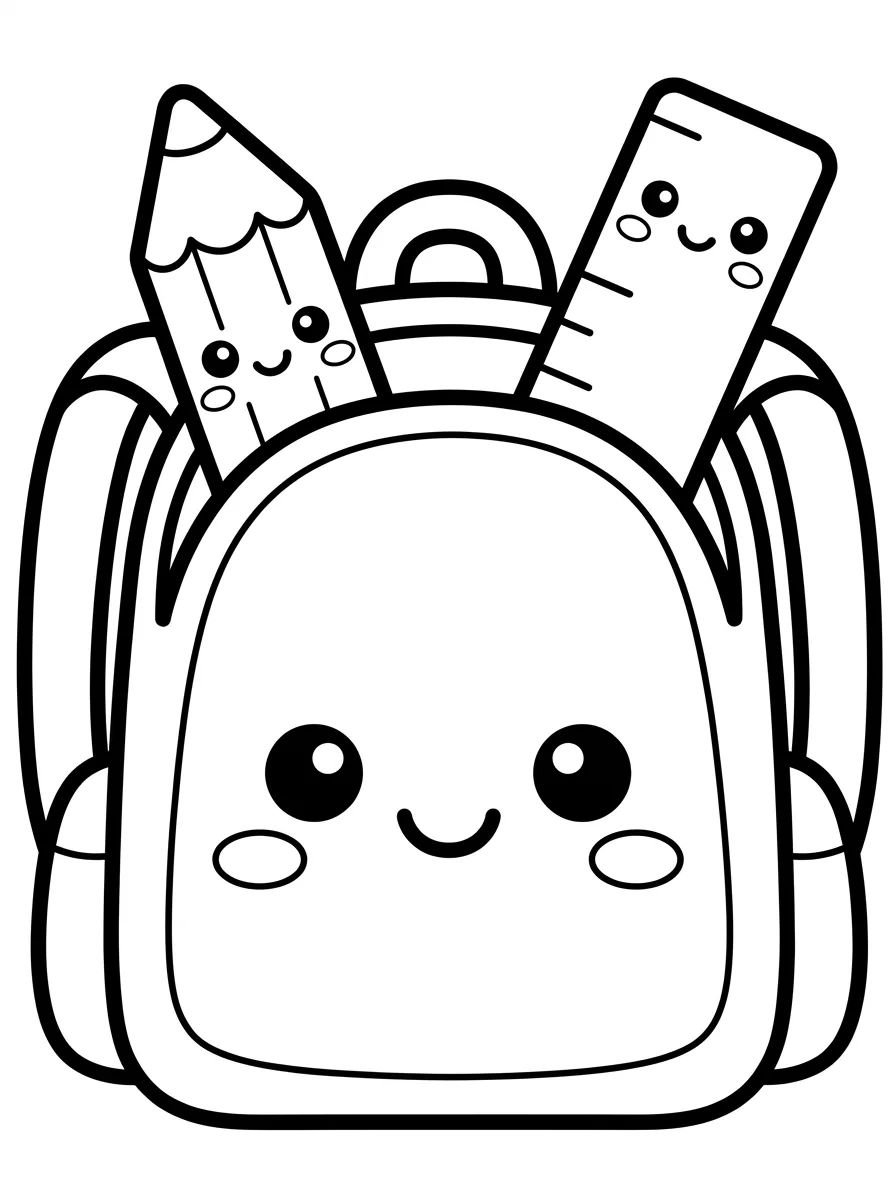
- For 6-year-olds: Activities that mix letters, numbers, and drawings requiring greater precision, such as simple mandalas or characters with accessories.
These variations ensure that children don't feel frustrated by something too difficult, nor bored by something too simple. The secret lies in the pedagogical balance present in our coloring pages.
How to Use AI-Generated Drawings in Education
One of the great innovations we bring to the site is the use of AI-generated drawings to create specific themes. If your student or child likes a very peculiar theme, such as "an astronaut playing with a dinosaur in August rain," AI can generate that unique image.
This allows educators to create personalized materials that directly speak to the child's interest, exponentially increasing engagement with the coloring activity. Interest in the theme is the greatest fuel for lasting learning.
Integrating Play with the School Curriculum
Many teachers use our art to complement science or history lessons. For example, when studying the water cycle or farm animals, printing specific educational drawings helps consolidate content visually and tactually.
Painting Techniques for Little Artists
Teaching different painting techniques can make the experience even richer. In addition to traditional colored pencils, you can explore other materials on our printed drawings, provided the paper has the appropriate weight.
- Sponge painting: Great for filling large areas and working with texture.
- Pointillism: Using markers to fill the drawing with only dots, excellent for fine motor control at 6 years old.
- Mixed media: Using crepe paper or cotton collage in conjunction with colored pencils.
- Basic shading: Teaching the child to press the pencil more or less to create light and dark tones.
These variations maintain enthusiasm and transform a simple sheet of paper into a true educational work of art.
Tips for Perfect Home Printing
To ensure that the printable art from Coloring & Drawing Fun looks perfect, some technical tips are valuable. Print quality directly influences a child's enjoyment of coloring.
Always check that the printer is set to "high quality" and try to use paper heavier than 24 lb (90gsm) if using markers, to prevent ink bleed-through. Remember that all our files are in high resolution to ensure crisp edges and deep blacks.
Organizing an Activity Portfolio
An excellent pedagogical idea is to create a folder for the child to keep their finished coloring pages. This allows them to see their own progress over the months, noticing how their coloring is becoming more precise and detailed.
Frequently Asked Questions
What's the best paper weight for printing coloring pages?
For colored pencils and crayons, standard copier paper (20 lb / 75gsm) works well. If the child will use tempera paint or markers, we recommend 32 lb (120gsm) or 48 lb (180gsm) paper to prevent the sheet from tearing or warping.
How do I encourage a child who doesn't like to color?
Try using themes they love, such as superheroes or specific animals. Use our AI-generated drawings to create something unique. Sometimes, coloring together with the child also serves as a great incentive through imitation.
Do coloring activities replace writing?
They don't replace it, but they prepare for it. They are complementary activities that develop the muscle strength and coordination necessary for writing to occur naturally and without excessive pain or fatigue for the child.
Can I use the website's drawings in the classroom?
Yes! Coloring & Drawing Fun offers free printable coloring pages precisely to support the work of educators and parents. Feel free to print as many copies as you need for your class.
Conclusion
Educational coloring activities are essential bridges to learning in childhood. By downloading and printing our content, you offer children a world of creative and educational possibilities. Don't waste time—choose your favorites now to print and color, transforming the little ones' daily lives with lots of color and imagination!
Escrito e revisado por Armando Amaro
Fundador do Desenhando e Colorindo. Todo artigo passa por curadoria e revisão humana antes de ser publicado.