12 Amazing Techniques to Color Your Pages Like a Pro
26 de agosto de 2026
Discover 12 simple techniques to level up your coloring skills! Learn shading tips and texture tricks for beginners here at Coloring and Drawing.
Learning how to color better is a journey of constant discovery, especially when you have a massive collection of free printable coloring pages at your fingertips. Giving life to a black and white line art piece is a fantastic way to develop fine motor skills, visual perception, and, of course, creativity for both kids and adults.
This August, perfect for indoor activities that boost focus, we’ve put together a complete guide. If you’ve downloaded your educational drawings here at Desenhando e Colorindo and want to level up your art, these techniques will turn your coloring sheets into true masterpieces.
1. Choosing the Ideal Materials for Your Coloring Pages
To achieve a professional result on your free printable drawings, the first step is choosing the right paper and pencils. Heavier weight paper (like 32lb or 65lb cardstock) prevents marker ink from bleeding through or the paper from tearing when using watercolor pencils.
Types of Pencils and Paper
Soft-core pencils allow for much smoother blending. When printing your printable art, make sure your printer is set to "High Quality" to ensure the kids' line art is crisp and easy to follow.
Pro Tip: When printing at home, opt for offset paper or high-weight cardstock to ensure colors stay vibrant and don't smudge the drawing's black outlines.
2. The Light Layering Technique
One of the biggest mistakes beginners make with a printed digital coloring book is applying too much pressure right away. The layering technique consists of applying color very lightly, barely touching the paper, and repeating the process several times.
This allows you to control the tone's intensity. The more layers of cute drawings you color, the more saturated and uniform the color becomes, eliminating those unwanted white gaps that usually appear on standard printer paper.
3. Mastering Shading and Volume
For your coloring pages to come to life, understanding shading is essential. Imagine a light source coming from one side of the paper. The parts furthest from the light should be colored with darker tones or more pencil pressure.
Creating Depth
Use analogous colors (those close to each other on the color wheel) for shading. For example, if you're coloring a red apple, use a wine or purple tone for the shadow areas instead of just black, which makes the educational drawing look much more realistic.
- Identify the light: Define where the sun or a lamp is in your scene.
- Shadow zones: Apply darker colors on the side opposite the light.
- Mid-tone: This is the base color of your printable coloring page.
- Highlights: Leave the paper white or use a very light shade to reflect shine.
4. The Circular Motion Technique
When filling in large areas in your online coloring pages or printed sheets, avoid back-and-forth strokes (straight lines). Constant, small circular motions help deposit pigment evenly, preventing visible pencil marks.
This technique is fundamental for coloring for kids, as it teaches patience and precision, ensuring the paper's texture is fully covered by the colored pencil.
5. Blending: The Art of Mixing Colors
Blending is what separates amateur work from professional art. You can mix two different colors to create a third, or use a white pencil (or a blending stump) to smooth out transitions between tones in your custom AI-generated drawings.
Blending Tools
Besides the white pencil, you can use a cotton swab with a tiny bit of mineral oil (with adult supervision) to dissolve the pencil wax and create a stunning oil painting effect on your coloring activities.
6. Creating Creative Textures
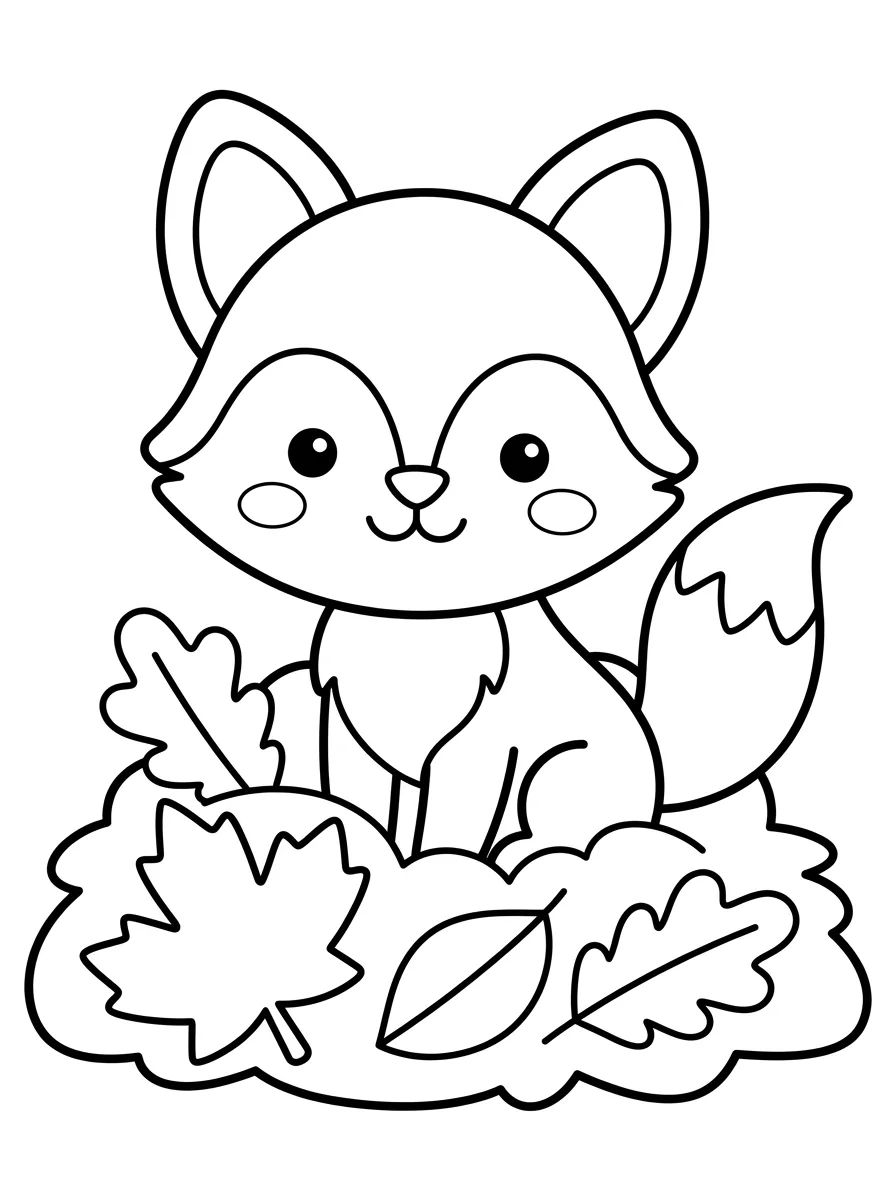
Not everything in a drawing needs to be smooth. You can create fur textures on cute animal drawings, or textures for grass and wood. Use hatching (parallel lines) or stippling (dots) to add personality to your coloring pages.
Pro Tip: To make fur texture, use short, quick strokes following the direction the fur would naturally grow on the animal.
7. Strategic Use of Contrast
Contrast helps the main subject of your kids' line art stand out. If the main character uses warm colors (yellow, orange, red), use cool colors (blue, green, purple) for the background. This makes the drawing "pop" off the page.
8. Online Coloring vs. Paper Coloring
At Desenhando e Colorindo, we offer both options. Coloring online is excellent for testing color palettes before hitting the paper. On the other hand, physical coloring helps with motor coordination and relaxation. Both are valid ways to explore educational drawings.
Advantages of Digital Tools
AI drawing technology allows for the generation of unique patterns that you can print and color, combining the best of the tech world with the joy of manual art.
9. Finishing with Gel Pens and Markers
After finishing with colored pencils, you can use white gel pens to add catchlights in eyes or reflections on wet surfaces. Alcohol-based markers are also great for filling backgrounds quickly, but remember the paper weight!
- Outlines: Trace over the line art with a fine-liner pen after coloring.
- Highlights: A white gel pen is a coloring artist's best friend.
- Details: Use sharp pencils for those hard-to-reach corners.
- Cleanliness: Place a scrap piece of paper under your hand to avoid smudging what you've already colored.
10. Color Psychology in Coloring Activities
The colors you choose for your printable art can totally change the mood of the image. Blue and green tones convey calm, while yellow and orange bring energy. Use this to your advantage when choosing what to color in our digital coloring book.
11. Preserving Your Art
After applying all these techniques to your free printable drawings, you'll want to keep them safe. Use a spray fixative (or a simple hairspray) to prevent the pigment from lifting or staining other pages when you close your activity folder.
12. Practice and Creative Freedom
The most important technique is constant practice. Don't be afraid to make mistakes on a coloring page. Desenhando e Colorindo offers thousands of free options specifically so you can print a new copy and try a different approach whenever you want.
Frequently Asked Questions
What is the best pencil for beginners?
For those starting out with coloring activities, soft-core school colored pencils are best. They offer good pigmentation without requiring much physical effort, making it easier to learn layering.
How do I stop my pencils from smudging the paper?
The main tip is to always place a clean sheet of paper under the hand you use to color. This prevents sweat or hand friction from dragging the pigment across your printable drawing.
Can I mix colored pencils with markers?
Yes! A common technique is using markers as a base for vibrant colors and colored pencils on top for shading and fine details on your coloring sheets.
Where can I find exclusive drawings to practice?
Right here at Desenhando e Colorindo, you’ll find thousands of free printable coloring pages, including AI-generated options perfect for testing new lighting and texture techniques.
Now that you know these 12 amazing techniques, it's time to get to work and turn your creativity into art! Browse our categories, pick your favorite free printable coloring pages, and start practicing today. Remember: at Desenhando e Colorindo, the fun is limitless and every blank page is a new opportunity to shine! 🎨✨
Escrito e revisado por Armando Amaro
Fundador do Desenhando e Colorindo. Todo artigo passa por curadoria e revisão humana antes de ser publicado.